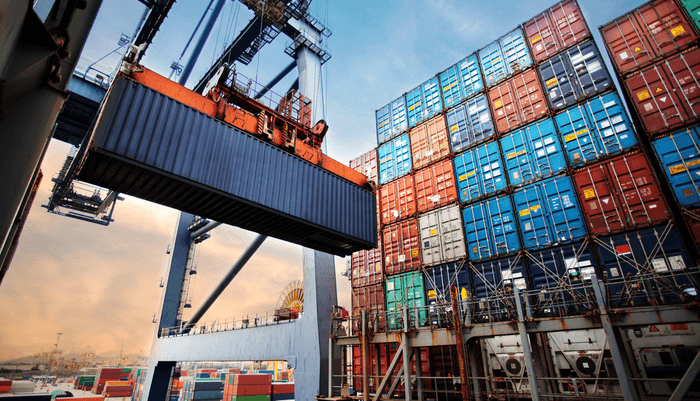
The Manufacturers Association of Nigeria (MAN) has warned against the reintroduction of the four percent Free-on-Board Levy by the Nigeria Customs Service (NCS). They predict that this could have an “inevitable catastrophic impact” on both the manufacturing sector and the broader business community.
In February, Customs imposed a four percent charge on the FOB value of imports, which immediately received tons of backlash from businesses struggling with high operating costs. The levy was eventually suspended, but stakeholders have since pushed for a total cancellation.
MAN’s statement on Tuesday follows reports of a planned reintroduction, which it views as an “unfortunate and retrogressive one.” It said the FOB Charge will be an additional burden to the one percent Comprehensive Import Supervision Scheme (CISS) fee being paid by its members at a time that government agencies should work to enhance the ease of doing business in Nigeria, “as it is being done in other climes and economies.”
If revived, Manufacturers warn that the already high cost of importation due to the prevailing exchange rate used in calculating the customs duty will further escalate. “This is evident in the cost which had earlier jumped by over 118 percent from N2.07 trillion in the first nine months of 2023 to N4.53 trillion in the same period of 2024.”

Additionally, they caution that the levy will significantly disrupt supply chains, trigger raw material shortages for many manufacturers, incur higher demurrage costs, and worsen the substantial volume of unsold inventories. This, in turn, would diminish the competitiveness of Nigerian manufacturers.
“The introduction of the levy contradicts the principles of ongoing fiscal policy and tax reforms, as well as the intentions behind the tax bills currently being considered by the National Assembly,” MAN stated. These bills aim to eliminate tax multiplicity and reduce the overall tax burden on households, manufacturers, and private businesses.
Read also: Nigeria’s manufacturing investments plunge 35% amid high interest rate
Furthermore, they warned that reintroducing the levy would provide an incentive for smuggling and trade diversion, jeopardising the Federal Government’s plans to enhance foreign exchange earnings through non-oil exports. Many manufacturing exporters depend on imports for vital inputs and machinery that are not available locally.
Segun Ajayi-Kadir, director general of MAN, said it was particularly concerning that a reintroduction comes amid a 15 percent hike in port charges “Our members are struggling with the astronomical increase in the effective import duty

calculations rate. and contending with unprecedented rise in the cost of energy,” he said.
Ajayi-Kadir suggested the prioritisation of improved trade facilitation to ease the burdens restraining the optimum performance of the productive sector. He posited that bringing back the levy would worsen production costs and cripple Nigerians disposable income.
The association claims that an inclusive stakeholder engagement, involving manufacturers, is important before any decision is made, which could proffer a more progressive and sustainable option for increased revenue for Customs and the government.
“This is the time for all government institutions to recommit to the reduction of the cost of doing business, expanding the scope of businesses and incentivising new entrants in the face of high business mortality.”