The 80th session of the United Nations General Assembly opened in New York on Tuesday with a series of high-stakes speeches that are expected to shape the global debate on war, peace and the future of multilateralism.
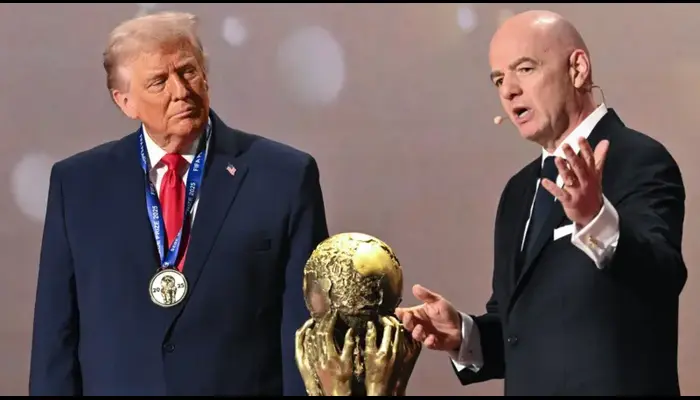
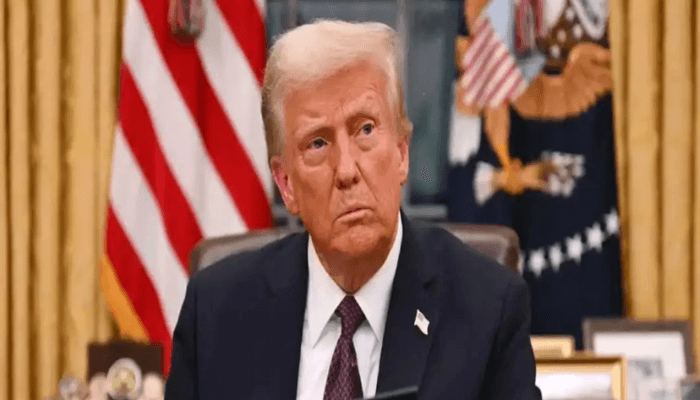
Donald Trump, the United States president is set to take the podium in what will be one of the most closely watched addresses of the week. He follows Brazilian president Luiz Inácio Lula da Silva, Turkish president Recep Tayyip Erdoğan, French president Emmanuel Macron, António Guterres, the UN secretary general and General Assembly president Annalena Baerbock.
Read also:Badenoch slams UK recognition of Palestine as ‘disastrous’
The day began with a diplomatic turning point as France became the latest country to formally recognise a Palestinian state. Speaking to world leaders at the UN, Emmanuel Macron declared that “the time for peace has come” and insisted “nothing justifies the ongoing war in Gaza.”

He called for an immediate halt to hostilities, the release of Israeli hostages and renewed efforts towards a two-state solution. Warning against the “peril of endless wars,” Macron said peace must rest on the principle that “right must always prevail over might.”
The French leader’s announcement follows similar moves by the United Kingdom, Canada, Australia and Portugal, who recognised Palestinian statehood on Sunday. Belgium, Luxembourg, Malta, Andorra and San Marino are expected to follow suit in the coming days.
Read also: UK formally recognises Palestinian state in bid to revive two-state solution
Israel has rejected these recognitions, arguing that they reward Hamas for its October 7 2023 assault on southern Israel, in which around 1,200 people were killed and 251 taken hostage. Since then, more than 65,000 Palestinians have died in Israeli strikes and a prolonged ground offensive, according to Gaza’s Hamas-run health ministry.
The humanitarian situation in Gaza has sharply deteriorated, with famine confirmed last month in Gaza City. António Guterres, the UN secretary general, described the crisis as “morally, legally and politically intolerable,” reiterating that a two-state solution was the “only credible path” to peace.

Read also: What Int’l students in the UK need to know about the 20-hour work limit
Faisal bin Farhan Al Saud, the Saudi foreign minister, speaking on behalf of crown prince Mohammed bin Salman, echoed that view, insisting that peace could only come through the creation of a Palestinian state alongside Israel.
Ursula von der Leyen, the European Commission president announced that the EU would establish a new financial mechanism dedicated to rebuilding Gaza. “We must all do more,” she said, pledging the creation of a “Palestine Donor Group.”
Mahmoud Abbas, the Palestinian president, who was denied entry to the US after visas for him and senior officials were revoked, addressed the assembly by videolink. He condemned Hamas’s October 7 attack, urged the group to disarm, and called for “one unified state without weapons” under the Palestinian Authority. Speaking directly to Israelis, he said: “Our future and yours depends on peace. Enough violence and war.”
Read also:Key US senator urges Trump to back older retirement age for pilots
Attention now turns to Donald Trump’s address. His speech will be closely scrutinised for signs of how the United States, under his leadership, intends to position itself on the conflict in the Middle East and on broader global crises such as the war in Ukraine.
Beyond the Middle East, the General Assembly is set to tackle Russia’s war in Ukraine, with Ukrainian president Volodymyr Zelensky expected to attend a Security Council session later this week. The UN’s chronic financial struggles and questions over America’s global role under Trump will also loom large.
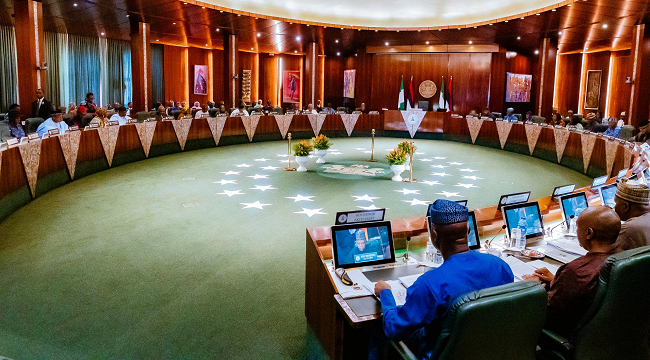
Nigeria’s delegation, led by vice-president Kashim Shettima, has already arrived in New York as part of the week-long gathering that will see more than 150 world leaders address the assembly.