…urges Lawmakers to focus on productivity, not creation of new agencies
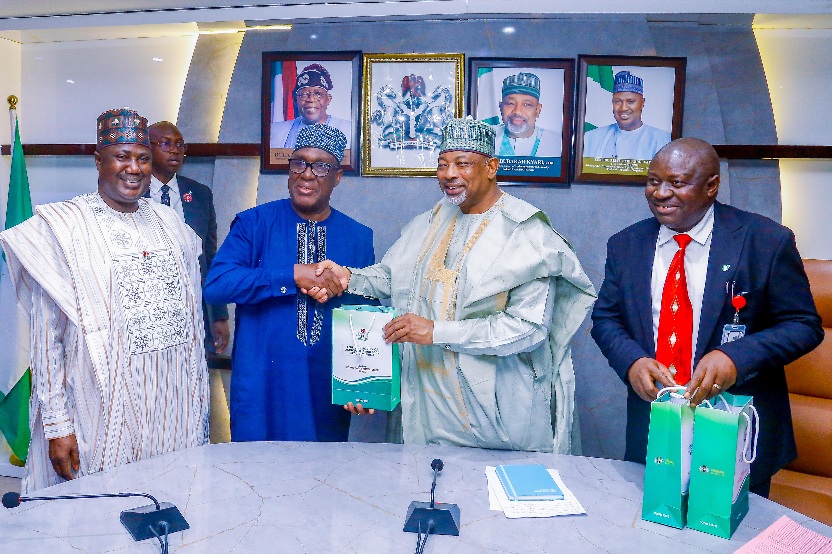
Aliyu Abdullahi, Nigeria’s minister of State for Agriculture and Food Security has expressed concerns that low crop yield continues to threaten national food security, and called for sustained funding, policies and laws to boost productivity.
Speaking at a public hearing organised by the House of Representatives Committee on Agricultural Production and Services on Monday, Abdullahi said Nigeria must adopt a strategy that prioritises yield improvement over expansion of agricultural institutions, if it is to achieve self-sufficiency and ensure food security.
The session reviewed three bills: A Bill for an Act to Amend the National Agricultural Development Fund (Establishment) Act, 2025 (HB 2036); A Bill for an Act to Establish the National Farm Settlements Agency to Promote Agricultural Development, Ensure Food Security and Foster Economic Growth (HB 1347); and A Bill for an Act to Provide a Legal Framework for the Establishment of the National Rice Production, Processing and Research Institute, Argungu, Kebbi State (HB 423).

Abdullahi described the proposed legislation as crucial to strengthening agricultural institutions, and consolidating government investments, He, however, urged lawmakers to focus on improving productivity through research and innovation rather than creating new institutions.
“For example, in rice production, the average yield in Nigeria is between 4.5 to 5 tonnes per hectare, with the best-performing farmers reaching about six. But in countries where rice is produced efficiently, yields reach nine to twelve tonnes per hectare. If we can fund and support the right processes to raise yields to seven or eight tonnes, we can easily close our current production gap”, Abdullahi said.
He explained that Nigeria currently produces about 20 million metric tonnes of rice annually against a national demand of 22 million tonnes, leaving a deficit of around 2 million tonnes.
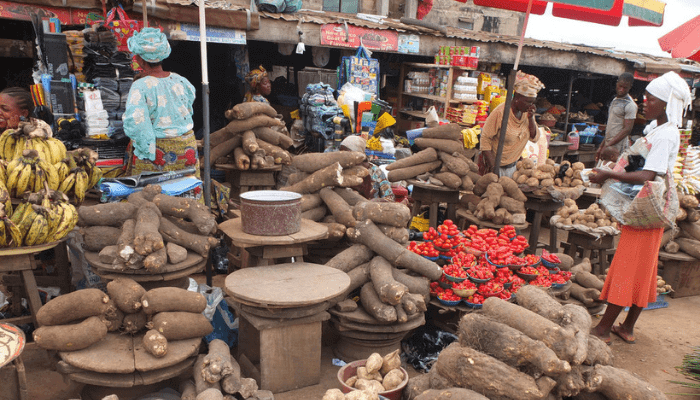
The minister further noted that despite Nigeria being the world’s leading producer of Cassava for over three decades, its average yield remains low at about 11 tonnes per hectare even though the country has capacity to yield up to 49 tonnes per hectare.
“Even doubling that average to 22 tonnes could raise national output from 60 million tonnes to 120 million. Tripling it would take us to 180 million tonnes”, he stated.

Abdullahi urged the lawmakers to strengthen existing agricultural research institutes and funding mechanisms rather than proliferating new agencies that often become “employment centres” rather than productive institutions.
“Let’s take a critical look at how to make our current system deliver maximum productivity. That is the most sustainable way to empower farmers, reduce import dependence, and guarantee food security”, the minister urged.
The minister also highlighted the need to harmonise new agricultural initiatives with existing frameworks to avoid duplication and inefficiency. “We must align these programmes with the National Agricultural Development Fund and other federal investments to ensure coherence. While there are minor administrative issues to address, we are largely in agreement with the fundamental objectives of the bills,” he added.
In his remarks, Bello Kaoje, chairman of the House Committee on Agricultural Production and Services, described agriculture as the backbone of Nigeria’s economy and the surest path to inclusive growth and poverty reduction.
He said the public hearing was an opportunity for policymakers, farmers, researchers, investors, and development partners to contribute insights that would shape sound, forward-looking legislation.
Read also: Antibiotic resistance worsening, threatening global health – WHO warns
“Achieving food security and competitiveness requires strong policies backed by effective laws. Our goal is to ensure every law passed by this House enhances productivity, drives innovation, and delivers real value to Nigerian farmers. We will continue to collaborate with the Executive and private sector to make agriculture a business that drives national prosperity”, Kaoje said.
Declaring the hearing open, Abbas Tajudeen, Speaker of the House of Representatives, represented by Ayokunle Isiaka, said the proposed bills reflect the legislature’s commitment to building a more resilient and self-reliant agricultural sector.
“These bills are more than legislation, they are a blueprint for a secure and prosperous Nigeria. They align with President Bola Ahmed Tinubu’s Renewed Hope Agenda and the declaration of a State of Emergency on Food Security. This underscores our collective resolve to tackle hunger, promote productivity, and ensure that no Nigerian goes to bed hungry”, Tajudeen said.
He urged stakeholders to engage actively in the legislative process, saying their contributions were vital to shaping effective agricultural policy.