The local debt market which saw foreign investors booking profit in recent times is expected to remain in bear territory in near term as the trade dispute between United States and China reignites Friday.
China, world’s second biggest economy imposed retaliatory tariff on $75 billion worth of American goods, prompting President Donald Trump to direct US companies to cut ties with Chinese firms.
The federal government bond market was relatively flat, with yields rising marginally by cumulative two basis points, albeit few buy interests was seen on short to mid-year debt notes.
“We expect the market to maintain a slightly bearish stance in the week ahead,” said analysts at Lagos-based Zedcrest Capital, in a note to clients.

“This is on the back of renewed escalation in the trade tension,” they posited.
Foreign investors are demanding more return before holding more of the country’s assets, given their heightened risk perception of Africa’s top crude producer.
The difference between risk-free United States 10-year Treasury bond yielding at 1.5 percent Friday and Nigeria’s 10-year benchmark bond at 14.31 percent, a simple description of risk premium, widened to a record high of 13 percent.
The Federal Government through the Debt Management Office sold only N15.03 billion across three instruments offered at the August auction last Wednesday, which marks the first under-subscription in 24 months.
Also, Nigeria’s central bank saw no buy interest at its latest OMO auction from offshore players who demanded for higher yields.

Escalating trade tension coupled with uncertainties surrounding Brexit negotiations have taken a toll on global growth which the International Monetary Fund (IMF) expects to slow to 3.2 percent by 2019 year-end, further weighing on oil prices.
Lower oil prices means more problems for Africa’s biggest economy grappling with revenue shortfall and terrifying debt levels since the 2015 global oil crash.
Worrisome is the fact that the country might resort to more borrowing if oil prices trend below current levels, putting a dent on its debt management strategies. The IMF expects Nigeria to spend every N82 from every hundred naira to service debt by 2022.
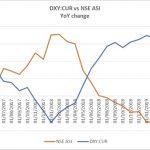
The local currency has been pressured since July on intense dollar demand pressure following selloffs on naira debt by foreign players.
The naira weakened against the dollar slightly by 4 basis points to N363.14 on the Investor & Exporter (I&E) window from N363.01 a day earlier, albeit has been stable on the CBN’s official window.
ISRAEL ODUBOLA