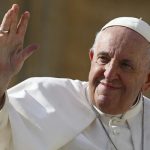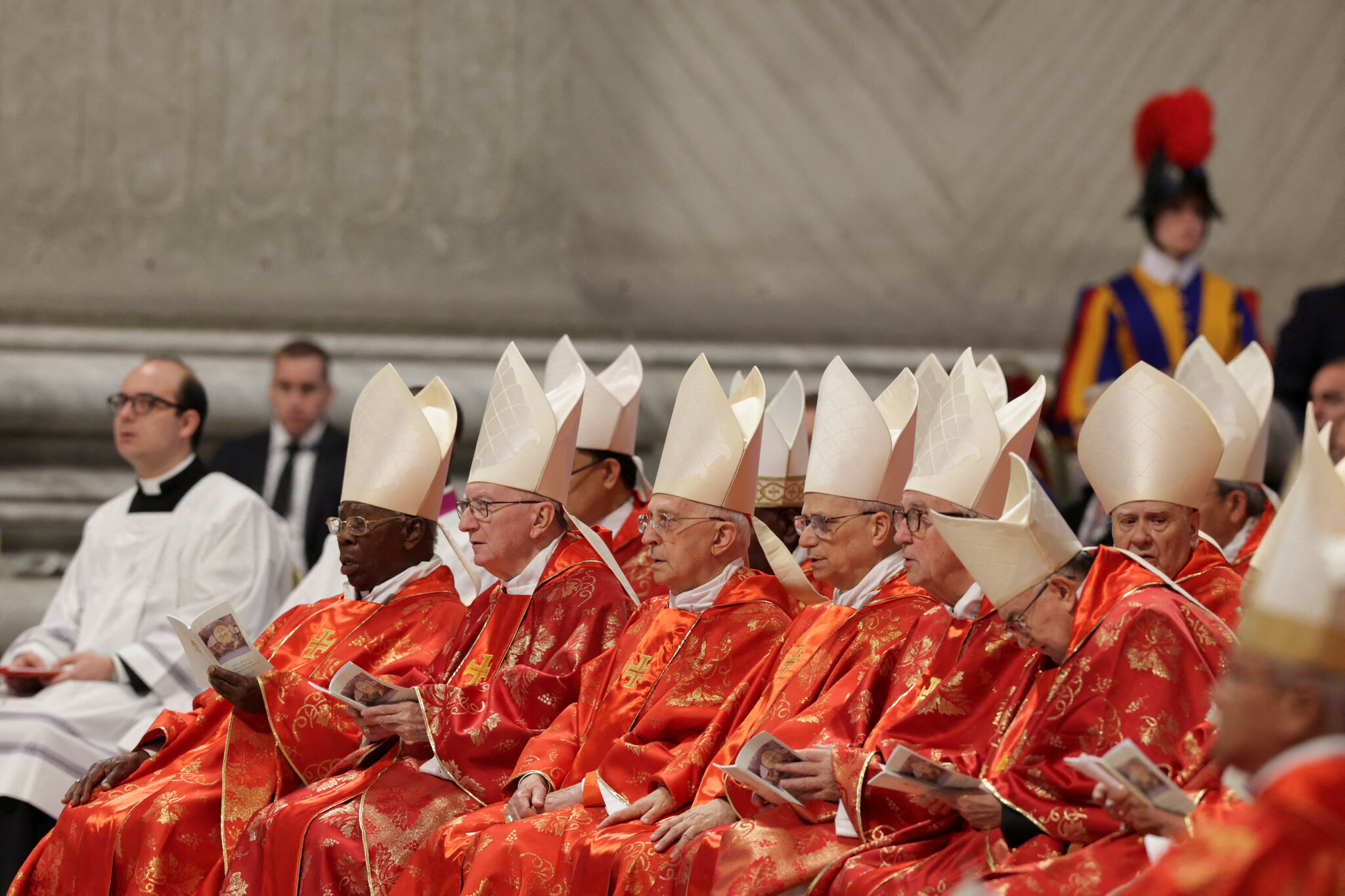
They gathered under the soaring frescoes of Renaissance masters and a blanket of intense seclusion.
The 133 red-robed cardinals made a solemn procession into the Sistine Chapel at the Vatican on Wednesday to begin a first round of voting for a new pope to lead 1.4 billion Roman Catholics.
The largest number of voting cardinals in history were beginning the first papal conclave in more than a decade, just over two weeks after the death of Pope Francis set in motion the process of choosing his successor. It comes at an uncertain time for the church, which is facing difficult decisions about its future direction, strained finances and a reckoning over past sex abuse scandals.
The cardinals attended Mass at St. Peter’s Basilica on Wednesday morning, their last public event before being sequestered inside the Vatican, without phone or internet access, until they reach a decision. Inside the Sistine Chapel, they were to take an oath to follow the conclave’s rules, which include maintaining total secrecy.

An initial vote was expected on Wednesday, though the cardinals were unlikely to reach the required two-thirds majority to choose a pontiff.
The papal election is one of the world’s oldest dramas, but this one is unlike any before it, with many cardinals appointed by Francis meeting one another for the first time. The new faces bring unfamiliar politics, priorities and concerns that some experts say could make the conclave more fragmented than usual. Francis also left the church deeply divided, with progressive factions pushing for more inclusion and change and conservatives seeking to roll things back, often under the guise of preserving unity.
Here’s what to know:
How it works: If, as expected, the cardinals don’t make their pick on Wednesday, they will spend the night at Vatican guesthouses and return to the Sistine Chapel on Thursday. They will participate in four rounds of voting every day until a two-thirds majority agrees on a candidate. There is no indication of how long it will take, though the last two conclaves reached decisions within two days.
Possible successors: Predicting the outcome of a papal election is always challenging, but oddsmakers say that two top contenders are Cardinal Pietro Parolin of Italy, who was Francis’ second-in-command, and Cardinal Luis Antonio Tagle of the Philippines, a country where the church is growing rapidly.

Referendum on Francis: The election in many ways will turn on whether the cardinals want a pope who will follow Francis’ path of openness and inclusion or forge a new one. During his 12-year pontificate, Francis made global headlines for landmark declarations that encouraged liberals, including allowing the blessing of people in same-sex unions and raising his voice for migrants.