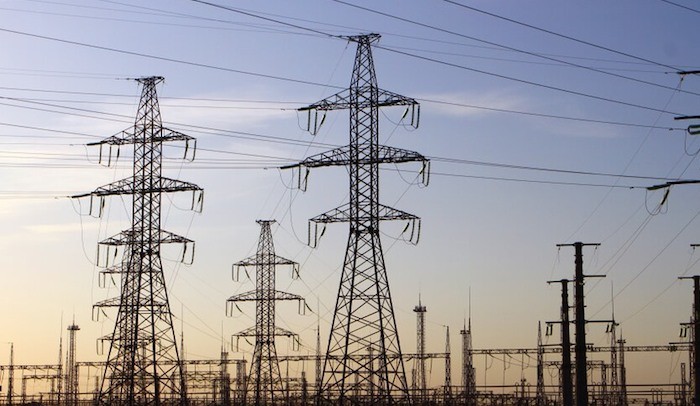
Power sector governance experts are making demands from the Nigerian Electricity Regulatory Commission (NERC) to improve licensing of embedded generation, uphold a market driven tariff and also sustain minor tariff in line with current exchange rate realities.
These aforementioned steps when improved upon by the regulator, the industry experts say, would prepare the ground for more investors to deepen investments in Nigerian’s power sector, while driving a credible electricity market.
Embedded generation is power generated on a smaller scale, not centrally dispatched via the grid and directly connected to a distribution network or customer loads. NERC regulation on Embedded Generation permits investors, communities, states and local governments to generate and distribute electricity for their exclusive consumption using facilities of existing electricity distribution companies.
“There is plant in Asaba, and has been completed for the Delta State government which is about 8.2 megawatts of power. NERC hasn’t licensed that for operations. This could weaken investors’ interest in captive power. Everyone must not be in the national grid. NERC must improve on this licensing,” Chuks Nwani, a power sector governance expert and energy lawyer, told BusinessDay.

Nwani admitted the regulator’s frantic efforts in minor reflective tariff review in line with exchange rate variables, but insisted such must be sustained to ensure deepened investors interest and a credible electricity market.
Furthermore, the year 2020 in retrospect has seen some key reforms to drive a credible electricity market, with the World Bank hinging some of its facility support to sustained reforms by the Nigerian government, specifically the regulator – NERC.
For instance, the regulator as part of the reforms initiated the steps of unbundling of the Transmission Company of Nigeria (TCN) into independent system operator and the Transmission Service provider.
The unbundling, analysts say, is a key component of allowing the TCN perform optimally and allow a market driven sector that yields to investors demand and expectations.
According to the regulator, it is envisaged that at a time when the electricity industry is substantially privatised, the Act provides that the holder of the licence for the two distinct regulated functions – Transmission Company of Nigeria plc may transfer the system operations function to an Independent System Operator on such terms and conditions to be decided by the NERC.

Also, another key reform initiated this year, which industry watchers seek its sustenance, is the service reflective tariff. Analysts say this would gradually remove cross subsidies and ensure that the market is able to improve by adopting other measures like franchising and improved collection.
Meanwhile, the generation companies of Nigeria (Gencos) have expressed concern over 24 percent power increase recorded in the power sector post privatisation of seven years ago, observing that such weak impact could deal a blow on the sustainable development goal seven of 2030, which focuses on affordable and sustainable energy for all.
Joy Ogaji, managing director, Association of Power Generation Companies (APGC), who raised this concern at the December Edition of the NEXIER Power, also made a call for a data-centric electricity market in the country.
“I want to say that the time to act is now. For seven years post privatisation, our progress report is 24 percent power increase, which is 735 megawatts. I don’t see that as a pass. Our power increased by over 132 percent, but utilisation was just 24 percent. That to me is not a pass.”
Adekole Elijah, head, corporate communications, Jos Electricity Distribution Company, has called on the NERC to enact a law that would criminalise electricity theft in the country.
The call has become necessary in order to deepen the reforms currently going on in the power sector in addressing the liquidity concerns in the sector, he said.
“I want to urge the regulator to look into the issue of payment mechanisms for proper set up to cause consumers to pay and ensure a legal framework to ensure power payment. There is nothing wrong with setting up a tribunal on this,” he said.
Dafe Akpeneye, a NERC commissioner in charge of legal, licencing and enforcement, noted at the dialogue that lack of meters and estimated billings were number one consumer complaints, expressing optimism that the issues were being tackled by the regulator accordingly.
The regulator is focused on addressing bottlenecks dragging the sector, he said, while expressing optimism that NERC would be more strategic in addressing concerns of the electricity supply industry come 2021.