Cultural influence is as powerful as military strength. But instead of embassies or economic sanctions, one of Africa’s most strategic exports is now heard in dance clubs, TikTok challenges, and sports stadiums: Afrobeats. What started in the streets of Lagos is now reshaping the global perception of Africa—not through policy, but through rhythm. As an artist manager at the helm of Afrobeats’ global expansion, I’ve seen firsthand how music is emerging as a tool of cultural diplomacy, shifting narratives and building soft power across continents.
Understanding soft power in the Afrobeats context
Soft power is the ability of a country or culture to shape the preferences of others through appeal and attraction and not coercion. For decades, the U.S. wielded soft power through Hollywood, France through fashion, and South Korea through K-pop. Now, Nigeria and Africa at large are asserting influence through sound. Afrobeats artists such as Davido, Wizkid, Burna Boy, Tems, and Rema have become cultural ambassadors by introducing the world to African aesthetics, languages, and values through music that transcends borders.
Afrobeats is now a vehicle for cultural engagement on the global stage. Consider these examples: (a) Global Stages: Rema’s performance at the Ballon d’Or ceremony in Paris marked a symbolic milestone which was that an African artist performing at the epicenter of global sport. (b) Mainstream Recognition: The inclusion of a dedicated Afrobeats category at the Grammys validates the genre as a global force. (c) Collaborations as Cultural Bridges: Rema’s “Calm Down” remix with Selena Gomez wasn’t just a hit—it was a strategic cultural exchange, blending African melodies with Latin American and Western pop sensibilities. (d) Presidential Playlists: When former U.S. President Barack Obama included Rema’s “Iron Man” on his summer playlist, it wasn’t just flattery—it was diplomacy through sound.
The role of music managers in cultural export
Behind every successful cultural moment is a deliberate strategy. As a music executive, I work at the intersection of entertainment and diplomacy, ensuring that artists like Rema are not only commercially successful—but culturally impactful. This involves: (a) Positioning music releases around international cultural events; (b) Partnering with global brands to elevate African identity; (c) Curating artist narratives that highlight African excellence and diversity and (d) Designing world tours that include strategic performances in geopolitically significant cities. Music becomes a proxy for African identity and it’s now an invitation to engage with our language, fashion, values, and ingenuity.
Afrobeats and diaspora diplomacy
The African diaspora has been instrumental in amplifying Afrobeats’ soft power potential. From London to New York to Toronto, second-generation Africans have used the genre to reconnect with heritage and reshape foreign perceptions of the continent. Afrobeats has become: (a) A unifying soundtrack for Black identity globally; (b) A tool for advocacy—used in social justice campaigns and youth movements and (c) A catalyst for African pride among diaspora communities.

This feedback loop between the continent and its diaspora enhances diplomatic ties, trade interest, and cultural visibility. Afrobeats is a starting point. Once audiences engage with the music, they are more likely to explore African fashion (e.g., Rema’s streetwear aesthetic influencing global trends); African tech platforms (e.g., Boomplay, Audiomack Africa) and African tourism and events (e.g., Detty December in Nigeria, AfroNation in Ghana). This ripple effect translates into real economic diplomacy, positioning African countries as vibrant hubs of culture, creativity, and investment opportunity.
The future of cultural diplomacy is sound based
As governments seek new pathways for international influence, they should recognize the role of cultural entrepreneurs, artist managers, and music platforms in shaping global narratives. Afrobeat has become Africa’s most influential voice and it’s not coming from a government podium, but from a stage, a speaker, and a smartphone. With continued investment, structure, and support, African music can be more than entertainment; it can be a cornerstone of foreign policy, global identity, and soft power leadership.
“In a world divided by politics, music is one of the last true unifiers. And right now, Afrobeats is leading that conversation.”
About the Author
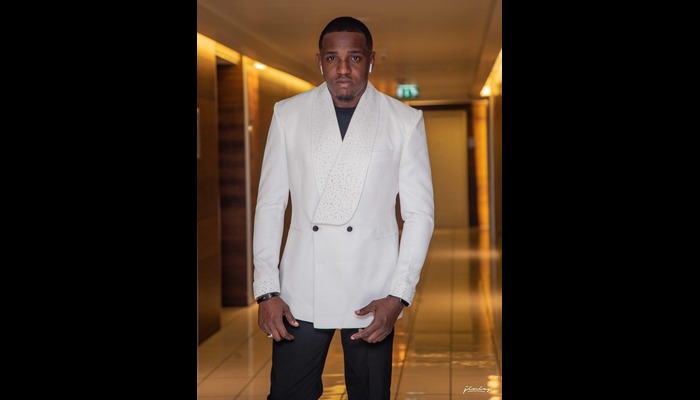
Sean Okeke is a global artist manager, cultural strategist, and the Director of Operations Jonzing World Entertainment.