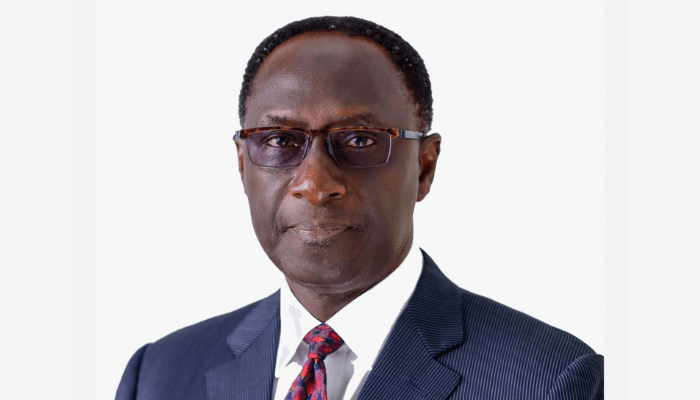
In Nigeria’s fast-paced world of banking, politics, and public spectacle, quiet leadership often goes unnoticed. It is overshadowed by flamboyance, ambition, and the chase for recognition. Yet, it is this understated brand of influence, the ability to build institutions, shape careers, and mentor without fanfare, that sustains the very foundation of the society we often take for granted. Abiodun Muritala Dabiri, who turned 70 this month, embodies this rarely celebrated form of leadership.
Many know him by different names: “Mr. Dabs” in banking circles, “Chairman” on the golf course, and “Oga Sir” in professional settings. But behind the monikers lies a story that reflects not just personal success but a legacy of deliberate institution building, ethical consistency, and mentorship that should serve as a blueprint for Nigeria’s business elite.
A chartered accountant, investment banker, capital market operator, and industrialist, Dabiri’s influence spans several decades and sectors. From the strategic acquisition of Magnum Trust Bank in the 1990s with his brother, Tunde, to his current role as Chairman of the Lagos Free Trade Zone, his career path reveals a man who prefers results over noise. Even in his current capacity—overseeing one of Nigeria’s most important export zones, many of his close friends are only vaguely aware of the full extent of his role until they see him flanked by governors or ministers in press coverage.
This deliberate modesty is a radical departure from today’s dominant culture of self-promotion. It is also a timely reminder that the most consequential people in Nigeria’s economic evolution are not necessarily those trending on social media or headlining conferences. They are those who, like Dabiri, quietly expand opportunity, nurture human capital, and create room for others to rise.

Indeed, one of his most enduring legacies is mentorship. Over the last 35 years, he has groomed countless individuals across banking, insurance, manufacturing, and public service. Many now occupy executive and C-suite roles across the country. They form a web of influence that owes its roots to Dabiri’s open-door leadership, his belief in human potential, and his willingness to invest in people long before their true value was apparent.
My own professional relationship with him began in 1991, when he responded to an advert my partner and I placed in the Guardian newspaper, offering a parcel of land in Lekki. At the time, we were a fledgling real estate firm with neither pedigree nor major clients. The deal was concluded, not because we had a name, but because he was willing to trust and verify. That single encounter birthed a relationship that gave us access to an entire ecosystem of emerging financial leaders, many of whom later became captains of industry. It is not hyperbole to say that this relationship changed the trajectory of our practice.
Therein lies the larger argument: Nigeria needs more institutional leaders who understand that greatness lies not in monopolising power, but in sharing it. Not in being seen, but in building others up. As a society, we cannot afford to reward only those who shout the loudest, raise the tallest billboards, or build the most ostentatious empires. We must begin to honour those who, like Dabiri, build quietly, with integrity, foresight, and generosity.
His story also raises difficult questions about legacy in Nigerian business. Too often, we build fragile structures that collapse the moment the founder exits. Too often, we centre success on the individual rather than the system. But Dabiri’s example suggests an alternative: that sustainable impact lies in mentoring successors, decentralising opportunity, and embedding one’s values into the fabric of institutions.
Even outside business, he models discipline and balance. A golf enthusiast, he was introduced to the sport two decades ago during my captaincy at Ikeja Golf Club. Since then, he rarely travels, whether local or international, without his clubs. In golf, as in life, he is patient, strategic, and grounded. He values relationships, cherishes quiet reflection, and seeks no applause for doing what is right.

In a country hungry for role models, we often forget those who are already among us, not in motorcades, but in boardrooms; not behind microphones, but behind the scenes. At 70, Abiodun Dabiri’s life is more than a personal milestone. It is a mirror held up to our business class and a reminder that true leadership is not measured by headlines, but by the number of lives quietly changed along the way.
As Nigeria searches for a path out of institutional decay and economic fragility, we could do worse than emulate the principles that have guided his journey: consistency, humility, mentorship, and quiet excellence. The measure of a man, after all, is not what he says about himself but the impact he leaves behind.
And thank you. Mr Dabiri.
Chudi Ubosi is an estate surveyor and valuer and principal partner at Ubosi Eleh & Co.