Foreign exchange stability and decline in maize prices have driven egg prices lower by 10 percent, bringing relief to households in Nigeria’s commercial centre.
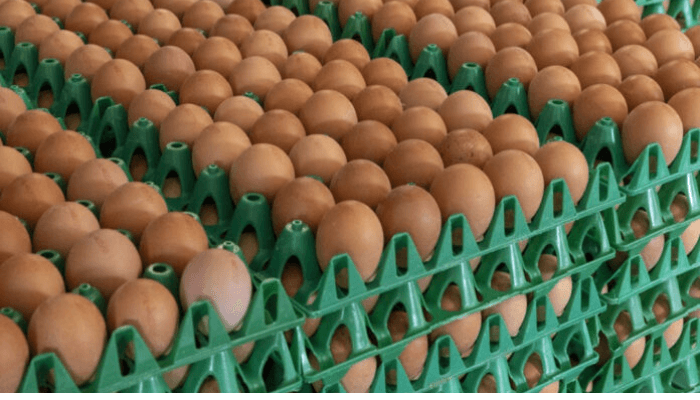
Prices of eggs have declined from an average of N6,000 a crate to N5,400 in Lagos, according to a BusinessDay survey across markets in the state.
In other parts of the country, for instance Abuja, findings reveal that prices have dropped to N5,800, down from their previous price of N6,200.
Experts say the drop is driven by a decline in maize prices — a key component in feed formulation, which dropped 33 percent in June 2025. A metric ton of maize today sells for N450,000 as against N600,000 earlier in the year.

Read also: Maize prices drop 33% but egg costs stay high
Sunday Ezeobiora, president of the Poultry Association of Nigeria, affirmed that the drop in egg prices is due to declining maize prices and a stable FX market.
“Considering that the price of maize and soybeans is falling, we had no choice but to drop prices of eggs,” he said.
“We want people to be able to afford eggs because the economy is harsh. Also, there’s been stability in the naira, which has made imports of vaccines and others we use in poultry cheaper,” he added.
While market prices have dropped, they are even cheaper at the farm gates. A crate now costs about N4,800 at the farm gates from N5,500, Ezeobiora explained. “But middlemen, after buying from us, will go ahead and add their own money since there is no market that we can supply directly.”

Olalekan Oluwafemi, director at Popoola Farm Project, an agricultural firm in Lagos, noted that prices of eggs, chicken and other derivatives in the poultry industry are connected to the amount expended on feed.
Read also: Eggs missing in meals as price hits N6,000/crate
“Although maize is not the only component in poultry feed, its contribution is significant, hence any price change can affect the poultry industry.”
Before this drop in one of Nigeria’s cheapest forms of protein, egg prices have risen three times in two years. In 2023, Nigerians could buy an egg for N100; this increased to N150 in the same year. By 2024, prices rose to N200, before settling at the current N250 price.
Businessday reported in June that favourable weather conditions bolstered a bumper global maize harvest in Argentina and Brazil. And since Nigeria can now import maize duty-free as directed by the federal government in 2024 through the import waiver window, the importation of grains has become cheaper.