The Lagos State government has unveiled its transport policies designed to reduce the logistics pressure on roads and improve the ease of doing business. However, it said it needs industries to fund it.
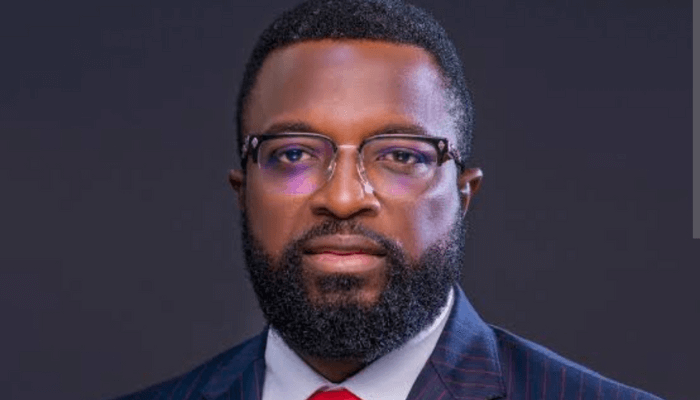
At BusinessDay’s mobility and logistics conference on Wednesday in Lagos, Oluwaseun Osiyemi, Lagos State’s commissioner for Transportation, said its transport policy rests on three pillars: diversification, multimodal expansion, and smart mobility integration.
“To reduce road pressure and improve business efficiency, Lagos is expanding alternative modes with direct benefits for freight and large-scale productivity,” he said.
These plans include the expansion of ferry terminals at Lagos highlands and equator to enable passenger and micro-cargo movement. He also mentioned the ongoing construction and activation of rail corridors such as the Blue and Red Lines, intended to shift high commuter volumes off roads.

Read also: Multimodal transport crucial to fixing Nigeria’s struggling supply chain, experts say
According to the commissioner, part of the diversification plan is “strengthening DRC and high-capacity bus operations to free road space currently occupied by low-capacity vehicles and development of first-last-mile systems to improve access within inner communities, reducing logistic delays.”
The state wants to promote clean energy mobility with the introduction of electric buses, electric motorcycles for dispatch, and pilot programmes for zero-emission vehicles in commercial and corporate fleets.
But he said the scale of demand outpaces resources available. “The future of Nigeria’s logistics system cannot be dealt with by the government alone. It must be built through purposeful, structured, investment-friendly public-private partnerships,” he noted.
Lagos State’s transport policy includes a multi-modal system. “A world-class logistics system depends on connectivity across all modes. Lagos is advancing,” he said, citing the state’s Blue and Red rail lines that feed into bus and first-last-mile networks.

The state is seeking to strengthen jetty services and freight access corridors in Apapa, Mile 2 and industrial zones.
Read also: Lagos searches for private capital to fund ambitious transport policies
Technology is part of the agenda. “A smart city is a competitive logistics city. And that is the direction Lagos is moving in,” the commissioner said.
These policies include smart traffic lights and data-driven traffic management to improve traffic flow and safety. The state plans to deploy sensors, digital platforms, and EV charging points to “support the growing shape to our speed and energy transport system.”
“Modern logistics requires intelligence, not just infrastructure. Lagos is deploying ITS cameras for enforcement and recognition and GPS-enabled fleet management for public buses and regulated operators,” he said.
Osiyemi used the opportunity to canvass for private partners to realise these ambitions. “Megamarkets thrive on collaboration…It is how we will fund rail extensions, upgrade terminals, modernise bus fleets, electrify mobility, expand water transport, build logistic hubs, deploy charging stations, and even smart traffic infrastructure.”
He said it is also with private funding that it will revolutionise its waterways with Omi Eko projects, increase e-reproduction and conversion, digital routing, and address optimise.”
Read also: Nigeria’s transport sector growth slows to 9.87% in Q3
“Government’s role is to set directions and create an enabling environment. But with industries, your capital, technologies, efficiencies, and execution will ultimately determine our speed,” he said.
Meanwhile, Frank Aigbogun, publisher of BusinessDay, noted during his address that all the ingredients for a good macro economy are coming together with foreign exchange (FX) stability and inflation trending downward, but logistics must not be left out.
“Logistics is a very credible measure of how an economy is doing. It’s a clear index for measuring the growth of an economy,” he said, urging priority in growth plans.