Nosa Oyegun, senior vice president (SVP), business banking at Kuda, has reiterated the commitment of the end-to-end digital bank towards helping medium, small and micro enterprises (MSMEs) operate efficiently in the digital space.
“Our goal has always been to help small businesses operate more efficiently,” Oyegun said during a recent media parley in Lagos, where the bank expanded its Kuda Business Centre to live directly on its PoS terminals.
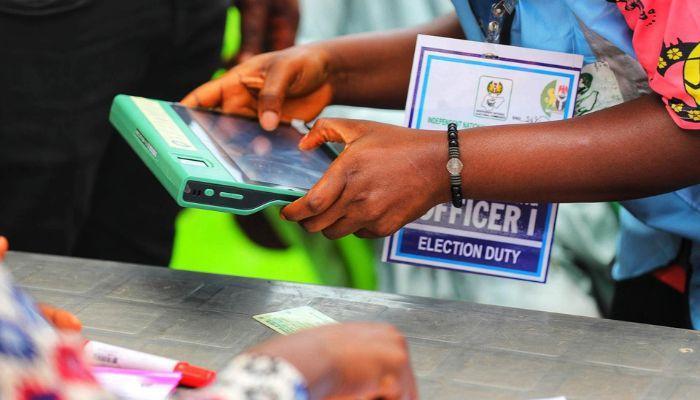
According to him, the update transforms PoS devices from payment collectors into full business management tools, and will also help businesses save time, simplify daily operations, and make faster sales right from the counter.
He added that with the new update, merchants can now view inventory, record sales, and manage orders directly on their Kuda PoS without switching devices or relying on the Kuda Business app.

Oyegun disclosed that before this update, merchants or their cashiers could only access inventory through the Kuda Business app and then push transactions to the terminal. Now, every step from selecting an item to recording payment happens on one screen.
Read also: Kuda tap multicurrency wallet to bridge diaspora remittances
“With Shop & Orders, we are transforming the POS into a connected sales management tool that allows merchants to handle payments, track inventory, and manage orders in one place. It’s a practical way to help business owners focus less on administration and more on serving customers.”
According to Oyegun, the improvement is part of Kuda Business’s broader roadmap to build a complete commerce platform for Nigerian businesses. He stated that by integrating business management directly into the PoS experience, Kuda is helping retail and food and beverage merchants move beyond fragmented workflows and manual reconciliation.
“Technology should make business easier, not harder. By putting key management tools on the POS terminal itself, we’re giving entrepreneurs one reliable place to run their shops. This is how we see the future of business banking in Africa — integrated, intuitive, and built around how merchants actually work,” Oyegun stated.