Every morning, Nigerians wake up and keep going, through inflation, long commutes, and uncertainty, with quiet determination. That everyday endurance keeps the country moving, even when the road ahead feels unclear.
When the light at the end of the tunnel finally appears, as it surely will, it should meet a nation still moving, still smiling, and not worn down by preventable illness or fatigue. Our true national wealth isn’t just oil or talent, it’s the daily energy and resilience of our people.
Too often, physical activity is treated like a luxury, something for weekends or gym-goers. But that mindset is costing us. Movement isn’t what we do when life allows it; it’s what helps us survive when it doesn’t.
Physical inactivity is now one of the leading behavioural risks behind non-communicable diseases (NCDs) such as heart disease, diabetes, and hypertension. These illnesses don’t just fill hospital wards, they quietly drain productivity, weaken workforces, and push families deeper into financial stress.

More than half of Nigerian adults are physically inactive, with higher rates in urban centres. Among young Nigerians, the rise of digital and desk-based lifestyles means less walking, less outdoor activity, and more sedentary hours each day. It’s a gradual decline, easy to miss, yet costly to ignore.
The National Action Plan for the Prevention and Control of NCDs (2019–2025) rightly targets a 10 percent reduction in physical inactivity. But awareness alone won’t get us there. Movement must become part of our systems, embedded in how we build, work, learn, and lead.
Health isn’t separate from progress, a stronger workforce starts with stronger bodies. The World Health Organization estimates that every dollar invested in physical activity returns up to three dollars in economic productivity gains. That connection between health and output makes movement not just a wellbeing issue, but an economic strategy.
Encouragingly, some forward-thinking organisations are already setting the pace. Kuda Bank, Shades of life, and PaidHR are weaving movement into their workplace cultures, encouraging walk breaks, group activities, and wellness incentives that strengthen morale, creativity, and collaboration.
At Goalr, we’ve seen how simple behaviour changes, tracked, rewarded, and celebrated, can scale into real impact. Individuals who commit to consistent movement are not only improving their health but rediscovering discipline, energy, and optimism. The same principles can apply at scale: if businesses and cities embed movement into their culture, the ripple effects could transform national wellbeing.
Policy must now build on this momentum. We need cities where walking and cycling are safe and convenient; workplaces that embed active breaks; and schools where movement isn’t squeezed out, but integrated into how children learn and grow.
These shifts aren’t cosmetic, they’re structural and essential. Physical activity isn’t a seasonal message or a feel-good add-on. It’s a foundation for national progress, one that supports stronger bodies, clearer minds, and more resilient institutions. Every additional step taken by Nigerians isn’t just personal progress; it’s national momentum.
Movement won’t fix every challenge we face, but it can help us face them better, with stronger bodies, calmer minds, and a little more hope in our step.
When the light at the end of the tunnel comes ,and it will, it should find a Nigeria that’s not waiting, but moving forward, together.

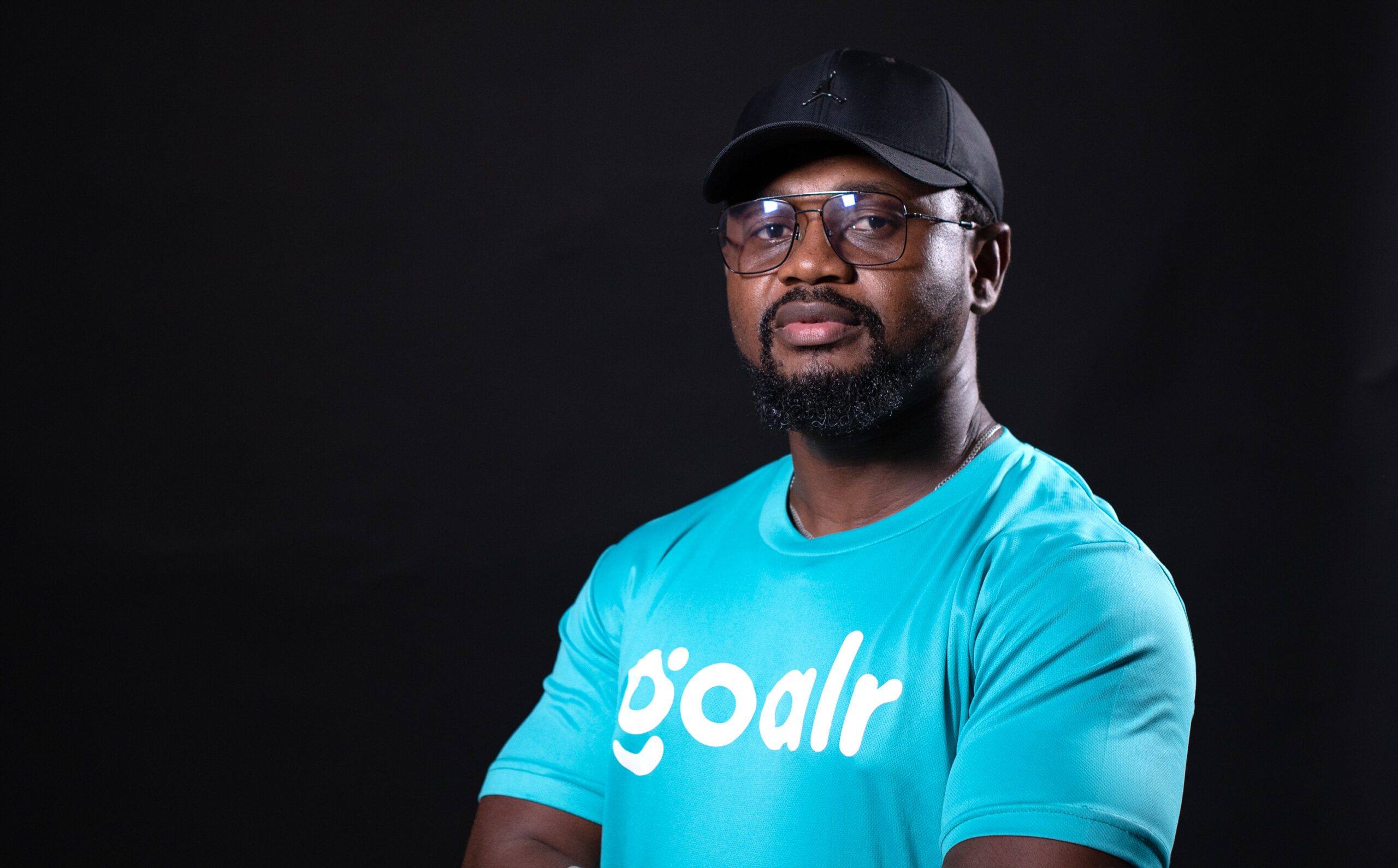
Owosina is the founder of Goalr, a gamified fitness app that rewards consistency with money and social good, and chief creative officer at The Hook, one of Nigeria’s leading independent creative agencies. His work blends creativity, technology, and behaviour design to drive public engagement in health and productivity. He was recognised on the Adweek Creative 100 list in 2022.