In a bid to strengthen immunisation services and eradicate zero-dose children across the state, the Kano State Government has distributed 44 motorcycles to Routine Immunisation Officers (RIOs), one for each local government area.
The move is said to be aimed at enhancing the reach and effectiveness of vaccination efforts, particularly in underserved and hard-to-reach communities.
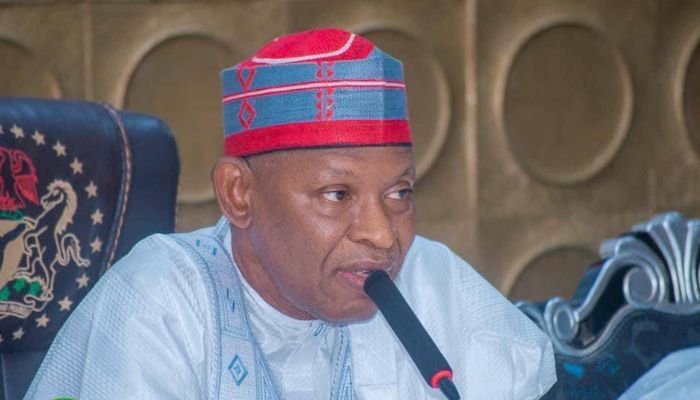
The handover ceremony was held at the Kano Emergency Operations Centre (EOC), with Abubakar Labaran Yusuf, Kano State Commissioner for Health, presenting the motorcycles on behalf of Governor Abba Kabir Yusuf. The vehicles were provided through the World Bank-supported IMPACT Project to improve equitable access to lifesaving vaccines.
Speaking at the event, Yusuf underscored the importance of the motorcycles as dedicated tools for routine immunisation duties, including the supervision of both fixed and outreach vaccination sessions. He urged local government chairmen, Primary Health Care Coordinators, and other officials to ensure the assets are used solely for their intended purpose to avoid misuse.

Read also: Anambra, Enugu, Kano top education funding for 2026
“Effective supervision at the local government level is critical to improving immunisation performance and ensuring that every eligible child is reached,” the commissioner said, adding that improved mobility will enable RIOs to respond more promptly to challenges encountered during immunisation sessions.
The intervention is expected to accelerate progress toward eliminating zero-dose children — infants who have not received any routine vaccines — especially in high-burden areas where logistical barriers have hampered reach.
Labaran Yusuf also stressed the need for accountability, responsible management, routine reporting, and regular maintenance of the motorcycles to maximise their impact. He reaffirmed the state government’s commitment to strengthening routine immunisation services in partnership with development partners, in line with Kano State’s broader primary healthcare and child survival goals.
This initiative reflects the Kano government’s continued resolve to improve health outcomes and expand access to essential health services across all communities in the state.

Kano State carries one of the heaviest child immunisation burdens in Nigeria, driven by a combination of demographic pressure, access constraints, and social factors. With one of the largest populations in the country and a high birth rate, the state must routinely reach hundreds of thousands of infants each year to sustain adequate vaccination coverage.
A major challenge has been the prevalence of zero-dose children—infants who have not received a single routine vaccine. Many of these children live in hard-to-reach rural settlements, densely populated urban slums, nomadic communities, or security-challenged areas where health facilities are distant, and outreach services are irregular.
Poor road networks and limited transportation have further constrained supervision and monitoring of immunisation activities at the local government level.
Read also: Kano empowers 2,260 Youths with skills, tools, cash to drive job creation
Weak health system capacity has also contributed to gaps in coverage. Shortages of trained personnel, inadequate logistics for outreach sessions, inconsistent supervision, and limited real-time data have made it difficult to track missed children and respond quickly to service delivery challenges. In some communities, vaccine hesitancy fueled by misinformation, low awareness, and cultural or religious misconceptions has reduced demand for routine immunisation.
Socio-economic factors such as poverty, low maternal education, and competing household priorities have equally affected caregivers’ ability to access immunisation services consistently. In urban areas, rapid population growth and informal settlements have strained existing primary healthcare facilities, while in rural communities, distance and transport costs remain significant barriers.
In response, the Kano State Government, with support from partners such as the World Bank-funded IMPACT Project, has intensified efforts to strengthen routine immunisation through improved supervision, expanded outreach, better logistics, and community engagement. Interventions such as providing motorcycles to Routine Immunisation Officers are designed to close access gaps, improve oversight, and ensure that no child is missed due to geography or system weaknesses.
The push to overcome these challenges is central to Kano’s broader primary healthcare and child survival agenda, as improved immunisation coverage remains one of the most cost-effective ways to reduce preventable childhood illness and death in the state