…Organisation wins LCCI Awards
The Japan External Trade Organisation’s (JETRO) participation at the 2025 Lagos International Trade Fair has been described as successful, with the its pavilion attracting nearly 50,000 visitors over the 10-day event — one of the highest turnouts recorded by any foreign pavilion this year.
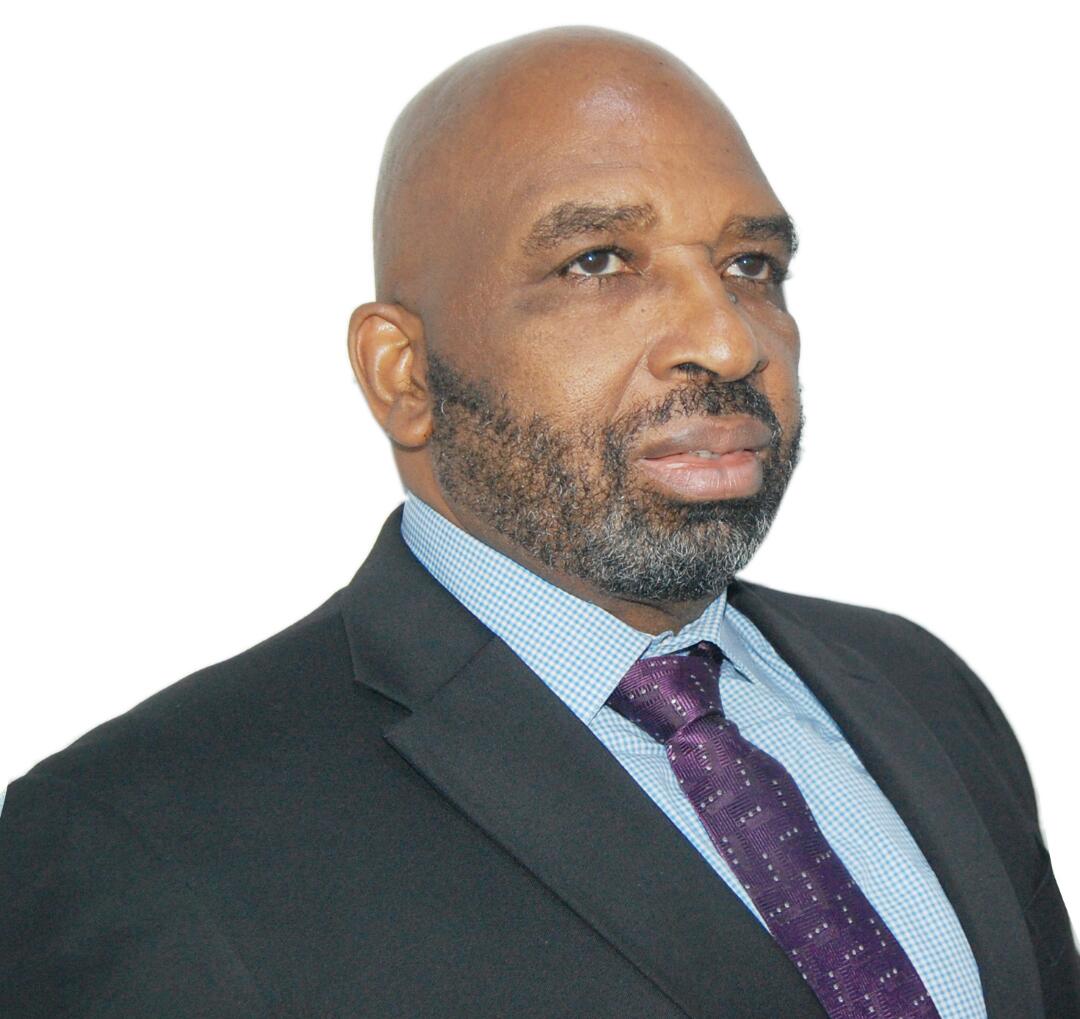
The Trade Commissioner of the Japan External Trade Organization (JETRO), Lagos Office, Takashi Oku, disclosed the figures during an interview at Tafawa Balewa Square (TBS), where Japan showcased a blend of advanced technology, investment prospects and youth-focused cultural exhibitions.
Oku said this year marked Japan’s 10th appearance at the Lagos International Trade Fair, but also one of its most vibrant due to the introduction of Super Japan, a two-day anime, gaming and cultural showcase that drew massive youth crowds last weekend.

“This year, we participated on a larger scale alongside the Super Japan event to highlight Japanese pop culture. We were very impressed by the strong enthusiasm Nigerians showed,” he said.
He noted that Japan reinforced its pavilion this year with expanded exhibitions, live activities and new brands, adding that visitors demonstrated a deep interest not only in cultural products but also in technology, manufacturing, automotive brands and innovation.
Reflecting on the fair’s overall performance, Oku said: “We were very impressed by the enthusiasm. Yesterday, for example, we held a concert and most participants were extremely excited. It was a very positive response.”
On investment, he stated that Japan continues to strengthen its footprint in Nigeria’s manufacturing sector. “Honda has a factory here, Ajinomoto also has a factory. And now, Otsuka Pharmaceutical is constructing a factory for Pocari Sweat, a nutritious drink. It is expected to be completed next year. We are gradually seeing more concrete investments coming from Japan,” he said.
Oku added that Nigeria remains a promising market for Japanese businesses, but called for stronger government support to encourage more investors.

“To encourage further investment, incentives or support such as subsidies or tax exemptions would be helpful—not only for Japan but for investors from around the world,” he explained. He noted that the Japanese government continues to maintain dialogue with Nigerian authorities on improving the business environment.
Beyond automobiles and industrial machines, he identified sustainability, energy efficiency and waste-management technology as key areas where Japan seeks to contribute to Nigeria’s development.
“Japan is very committed to ecology and sustainability. We have eco-friendly technologies, including waste management and fertilizer production, and solutions that reduce energy consumption. These technologies may seem costly at first, but in the long term, they are efficient and support sustainability,” Oku said.
Asked whether Japanese companies made profits at this year’s fair, Oku said economic recovery, rising inflation and reduced purchasing power remain challenges, but expressed optimism about long-term prospects. He stated that consumer interest was high, especially among young Nigerians drawn to Japanese products, entertainment and cultural content.
He attributed the surge in foot traffic partly to the Super Japan pop-culture showcase, which featured anime, gaming tournaments, cosplay, J-Pop performances and traditional Japanese craft demonstrations.
The two-day cultural festival trended widely on social media and was credited with attracting one of the largest youth audiences of the entire Trade Fair.
Looking ahead, Oku says Japan hopes to return to the fair next year with an even stronger presence. “We will need to discuss with the Lagos Chamber of Commerce and Industry (LCCI) on how best to expand our participation and attract more Japanese companies. We want to remain a strong and active participant,” he said.