The importation of manufactured goods into the country has been on the rise, while exports, generally, including non-oil products, have not been surging like imports. In 2024, Nigeria spent over N24.57 trillion on manufactured goods imports and earned N885.23bn on manufactured (non-oil) exports.
Nigeria exported manufactured goods such as vessels and other floating structures, cigarettes containing tobacco, agricultural products and fermented cocoa beans. Nigeria exported to the Netherlands, Malaysia, and Indonesia, amongst others.
The export bill had items such as vessels and other floating structures, and cigarettes containing tobacco and other Agricultural products. Countries Nigeria exported to within the year included China, the Netherlands, and Ghana. The import bill for the year had items such as used vehicles, milk and creaming powder among others.
From research carried out, Nigerian products, including industrial starch, have gained improved patronage in the international market, therefore, more investors are required in the production of processed cassava products, basically for export to sustain this tempo.

Read also: Boosting soybean production to tackle Nigeria’s nutrition problem
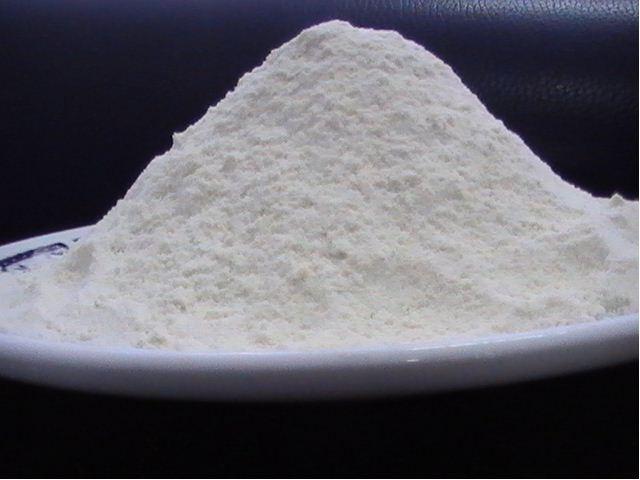
From our research, industrial starch (whether from corn, cassava, potato, rice, etc) is one of the fastest-selling products in the international market. For this product to attract very high demand and higher prices, it must be well processed, maintaining very high acceptable international standards. Details of the project profile are shown below.
For detailed information on the international standard and specifications, required machines both foreign and locally made, a bankable and comprehensive feasibility study/report, funding arrangement and assistance, turnkey arrangement, etc. Please contact the writer.
The demand for industrial starch is worldwide. This product is highly demanded in Netherlands, France, United Kingdom, and the Federal Republic of Germany. It is also widely demanded in Taiwan, Asia, and the USA. The local demand is also encouraging.
Prospective investors will be given detailed information on the foreign buyers of these products for further business relationships. Starch can be produced in dry or wet forms. Both wet and dry starch are needed in Europe.

Starch has a lot of industrial uses. It could be used as food in the preparation of bread, macaroni, custard, sauce, snacks, and pap. The industrial uses include textile, bookbinding, glue making, paperboard, batteries, cosmetics, paint and soap.
Starch is also used in weaving, spinning, dye works, paperboards, dressing paints, leather adhesive, paste stamps and carpets. It can also be used in artificial honey, fruit juice sweets, beer, and canned fruit confectioneries and in pharmaceutical industries.
Because of the wide uses to which industrial starch can be put into, the total global demand are over 18.3 billion metric tons per annum.
The supply, on the other hand, has not been encouraging in the international market. Apart from Zaire and Brazil, which supplied a total of 28.2 million metric tons in 2023 and 26.5 million metric tons in 2022, the gap has been longing for bridging. There is a wider gap in the need for starch for industrial uses, both locally and internationally.
Therefore, there is plenty of cassava and other root crops or tubers in Nigeria, for the production of the world starch requirement.
Read also: Investing in industrial ethanol production for exports
The major plants and equipment needed are cassava peeler, sifter, slicer, grater, extractor, pulverisers and dryer (if dry starch is required) hammer mill/disintegrator, an automatic or semi-automatic weighing and packaging machine and stitchery/sealers.
The production capacity of the machine under consideration is a full capacity of 10 tons of starch per day of two shifts. This implies that about 75,000 metric tons will be produced in a year.
It should be noted that this product is demanded in metric tons by end users. It is therefore advisable that the end product should be packed as such. It is also advisable to maintain the international market water content standard of about 8 percent.
The product is packaged in 100kg jute bags for export. How the products should be preserved to avoid producing irritating odours will be discussed when we are contacted for further clarification by prospective investors.
The international prices of starch fluctuate between $850 and $1,200 per metric ton. Locally, it is sold at about N130,000- N185,000 per metric ton, depending on the quality standards. Prospective investors would be assisted in the area of getting foreign buyers at reasonable prices.
Since the machine produces 75,000 metric tons per annum working for 300 days, the total sales revenue at full capacity would be $18.6 million within the first year of operation.
Realising, however, that our industrial capacity utilisation cannot be full, the capacity is placed at 50 per cent, resulting in a total annual income of $9.4 million (N14.1 billion).
When the total inputs of N10.9 million are deducted, a Gross Profit of about N7.51 Billion may have been made in less than 2-3 years of operation.
Having considered the availability of raw materials, convincing technological position, government encouragement to non-oil export-oriented investors and availability of human resources, as well as huge profit margin from exporting this product.
Read also: Nigeria’s local industries push to export made-in-Nigeria goods
Funding
There is a large amount of small and medium-scale funds available untapped because investors cannot access them. Once the right things are done, the funds will be accessed by any class of investors. This is an export-oriented value-added project that has a short payback period and therefore should attract ready financing, therefore can attract the funding.
The federal government released through the CBN over N500 billion for injection into small and medium-scale industries’ development in Nigeria. Anybody with a good business plan will benefit from the funds. There are also other financial institutions and Special Project Funding Organisations that would be recommended to prospective investors on contacting the writer.
Implementation
To handle the implementation of this project professionally, prospective investors should embark upon detailed and bankable feasibility studies. The writer is readily available for the feasibility studies and packaging of bankable feasibility studies reports/ business plans. After which, the construction of the factory will take place, followed by procurement and installation of all the required machinery and other basic assets.
The writer will guide prospective investors professionally to ensure that good packaging, quality products and efficient/effective management are installed for profits. We can assist in reviving dead manufacturing / industrial outfits. The writer will also assist in the sourcing of the required funds (where necessary) and obtaining export licenses. For further enquires, detailed & bankable feasibility studies, contact ubagodwin@yahoo.com