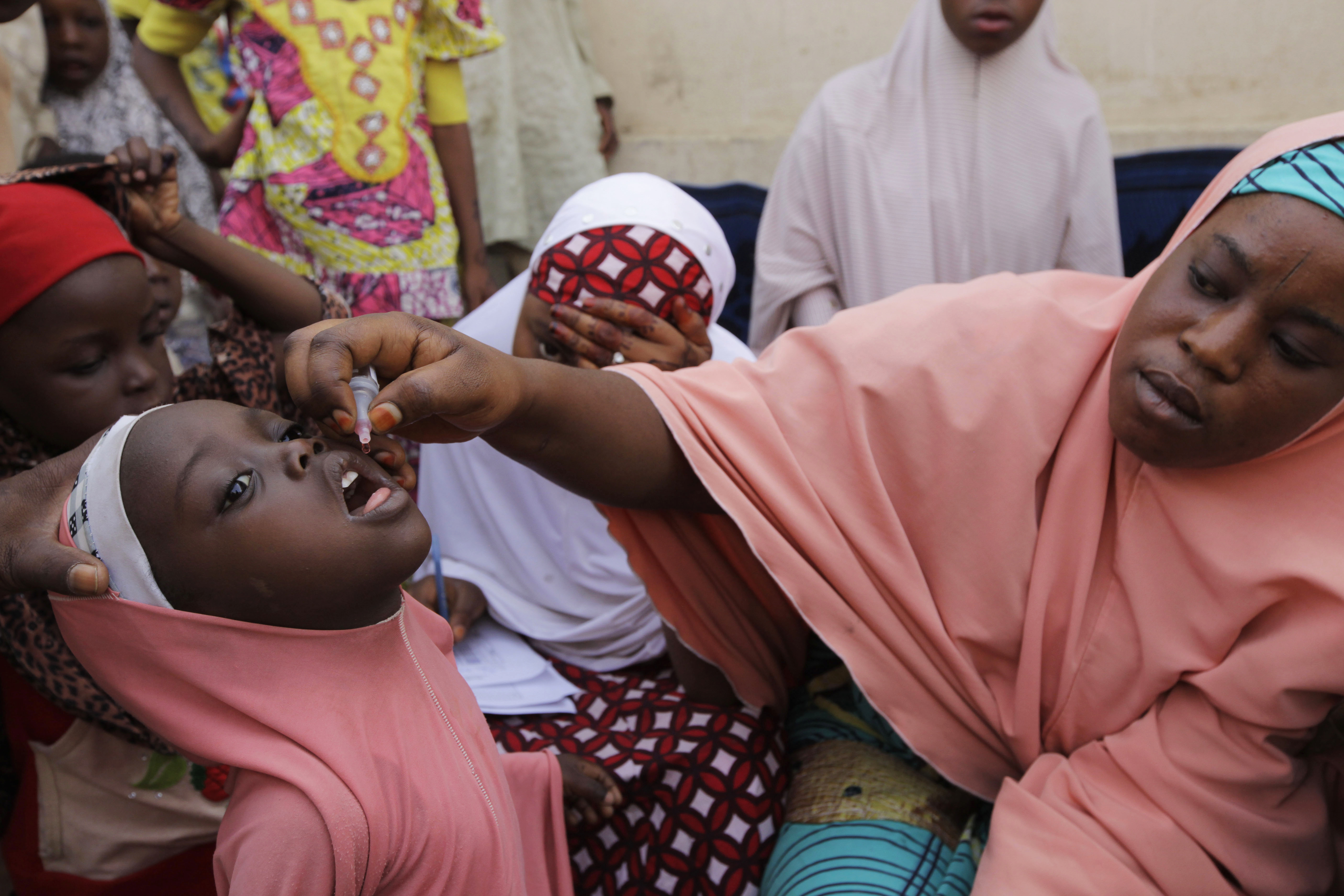
The National primary health Care development agency (NPHCDA) has lamented that insecurity, malnutrition, poor sanitation, amongst other poses great challenge in Nigeria’s fight against wild polio virus.
Faisal Shuaib, Executive Director, NPHCDA, on Wednesday stressed that there is need for an urgent and collective effort in addressing the challenges faced in the fight to maintain a wild polio virus- free status adding that inadequate funding has often hindered the activities of the primary health care in states and local government levels.
He said “Polio campaigns will continue in current intensity to ensure children and our environment are protected against all types of polio virus while further strengthening routine immunization against vaccine preventable disease”.
Shuaib speaking at the world press conference to mark 3 years without wild polio virus case in Nigeria, held in Abuja, said that following the achievement, Nigeria has commenced the process of documentation towards the final certification by the Africa regional certification commission.

“It is imperative that all stakeholders continue to support the polio program through technical, financial and political oversight to prevent the reoccurrence of the polio virus and stop the spread of all other type of polio virus in all states and local governments in Nigeria”, he said.
Peter Clement, Officer in Charge, World Health Organization,Peter Clement said that the next six months towards evaluation of Nigeria’s documentation are therefore most critical adding that the stakeholders should not relent in effort made so far.
Clement commending the effort of the government said “Since the last outbreak of wild polio In 2016 in the northeast, Nigeria has strengthened supplementary immunization activities and routine immunization, implemented innovative strategies to vaccinate hard-too reach children and improved acute flaccid paralysis (AFP) and environmental surveillance. These efforts are all highly commendable”.
He further stressed that despite the significant progress made, ending all forms of polio across the region remains an unfinished success story as low immunization rates pose a major risk to other forms of polio virus outbreaks.
“Inaccessibility to health care services by some children pose a threat to sustaining recent gains.
To prevent the resurgence of wild polio virus and stop the spread of outbreaks, the country leadership at Federal and State levels, donors, partners must redouble political and financial support to the program”, he said.

“High routine immunization coverage and quality surveillance remain most critical in the build up towards certification and post certification, to sustain the gains. I therefore appeal to the Federal and State Governments to remain vigilant in ensuring high quality surveillance at ward level, improved routine immunization coverage and high-quality campaigns to boost populatlon immunity against all forms of polio viruses”.
Clement further stressed that there is need to maintain mometum towards regional and global certification adding that as long as polio virus still exists in Parts of the world (as It currently does in Afghanistan and Pakistan), all children are at risk.
Emeka Offor, Rotary International polio Ambassador to Nigeria, in his remark said that there is need to sustain advocacy and supervision to ensure total eradication of polio.
He said “It is encouraging to know that our years of fighting the menacing polio scourge has received an added impetus as we mark three years since any child in Nigeria was paralyzed as a result of the wild polio virus”.
Cynthia Egboboh, Abuja