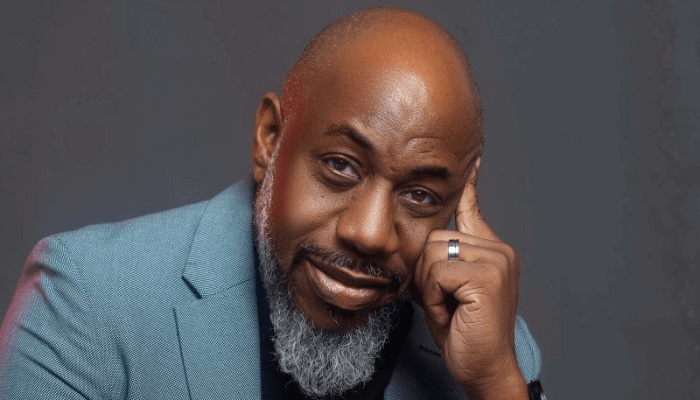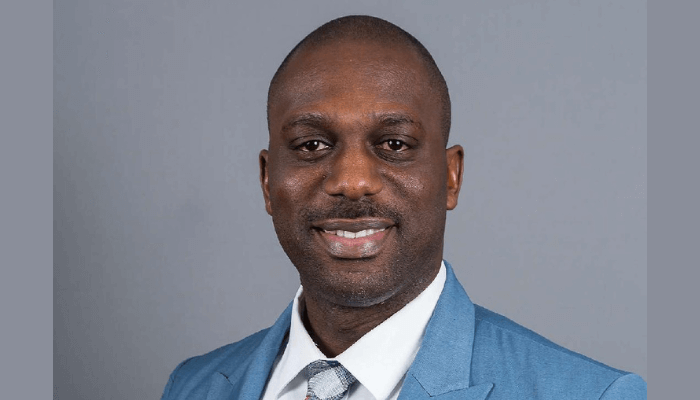
Ayo Owodunni is a Kitchener City Councillor for Ward 5, a seasoned management consultant, keynote speaker, with over 13 years in leadership and consulting, and a Master’s degree holder from the University of Waterloo. Ayo is deeply involved in his community, serving on multiple boards and city committees. Originally from Lagos, Nigeria, Ayo leverages personal stories, humour, and expertise to break barriers and foster communication, His work has impacted global organisations such as Microsoft, Spotify, Canada life, and CIBC, at Conestoga College. In this interview with KENNETH ATHEKAME, he spoke on human capital development, and complexities of the Nigerian federal system, how leaders can foster greater collaboration, among other issues. Excerpts:
Nigeria presents a unique and often complex economic landscape. Could you share your perspective on the key leadership qualities that are most crucial for driving positive change and fostering growth within this environment?
Firstly, thank you so much for the opportunity. I am glad to be here. Leadership must reflect the realities and aspirations of its environment. There are principles that are universal but application can be slightly different. In Canada, for example, there’s a strong emphasis on inclusive leadership, humility, and team building. In Nigeria, while those values remain important, I would emphasize three core leadership qualities that are crucial: a strong drive, a compelling vision, and an intentional effort to build people. A leader must be relentless in their pursuit of progress, clear in their direction, and committed to lifting others along the journey. Nigeria’s potential lies in its people, and strong leadership must know how to activate that potential effectively.
From your experience, what are some of the biggest leadership challenges you’ve observed or faced while operating within the Nigerian economy, and how did you (or would you) address them?

One of the most significant challenges is human capital development. Nigeria is blessed with vibrant, young talent, but there’s often a gap in both soft and technical skills. The issue isn’t just about having people, but ensuring they are adequately skilled, adaptable, and able to work collaboratively. Addressing this requires a multi-faceted approach: investing in continuous learning, embedding teamwork and problem-solving into workplace culture, and building mentoring systems within organisations to grow people from within.
How do you believe effective leadership can navigate the diverse stakeholder landscape in Nigeria, including government bodies, private sector players, and local communities, to achieve sustainable economic development?
Effective leadership must be rooted in collaboration. The leader’s vision should be compelling enough to bring diverse stakeholders to the table. It’s also about understanding that each stakeholder has different motivations and finding the intersections that align with national growth. A leader must be diplomatic, but decisive; inclusive, yet firm. Regardless of the context, sustainable progress is always driven by leaders who can inspire trust, build consensus, and hold themselves and others accountable.
Can you provide an example of a time when your leadership significantly contributed to a positive outcome within a Nigerian economic context, highlighting the specific strategies you employed?
Years ago, I worked under a visionary Nigerian leader who profoundly shaped my leadership philosophy. He believed in building people intentionally. I remember how he created a development plan for his driver, aiming to transition him into a more corporate role within a year. That plan was actually successful. He did it three times with three different drivers! That mindset of empowerment trickled through the entire organisation. I saw how that culture shift led to increased morale, stronger performance, and ultimately, 3x revenue growth. My role in supporting that leadership vision involved facilitating coaching sessions, aligning people development with organisational goals, and advocating for internal mobility.

Looking ahead, what shifts in leadership styles do you believe are necessary to unlock Nigeria’s full economic potential?
We need to shift from top-down, hierarchical leadership to one that’s participatory and people-centered. Nigerian leaders must begin to truly listen to their teams, especially those at the front lines who interact with customers and communities daily. When people feel included and aligned with the organization’s vision, they contribute more meaningfully. This shift requires transparency, emotional intelligence, and the humility to recognise that good ideas don’t only come from the top.
Good governance is often cited as a cornerstone of economic progress. In your view, what are the most pressing governance challenges hindering Nigeria’s economic advancement?
There are several, but three stand out: inconsistency in policy implementation, weak institutional accountability, and limited transparency. These factors erode public trust and discourage investment. When rules change without notice or enforcement is selective, it’s difficult for businesses and citizens to plan and grow. Strengthening governance requires both systemic reforms and courageous leadership willing to enforce the right standards.
I also believe that people need to realize that posting on social media (and abusing) is not holding a government accountable. I have a government official myself. You must further engage strategically…but that’s a conversation for another day.
How can leadership effectively champion and implement institutional reforms that promote transparency, accountability, and the rule of law within the Nigerian context?
First, leaders must lead by example. Institutional reform begins with modeling integrity. Secondly, there must be measurable standards of accountability with consequences for non-compliance. We must also use data more effectively to track performance and improve transparency. Finally, reform is more sustainable when citizens are involved—when they understand the processes and feel empowered to demand better.
What role do you see for technology and innovation in strengthening governance structures and reducing corruption in Nigeria?
Technology can be a great equalizer. From digital payment systems that minimize cash handling to open data platforms that allow citizens to track government spending, innovation can significantly enhance transparency. Additionally, automating certain government services reduces human interference and the temptation for corrupt practices. We must invest in digital literacy and infrastructure to make these tools accessible and effective.
Considering the complexities of the Nigerian federal system, how can leaders foster greater collaboration and coherence between different levels of government to drive consistent economic policies?
Dialogue and alignment are key. Federal and state leaders must have regular, structured engagements focused on shared goals. We need a national development framework that states can align with, but which also allows for flexibility to adapt to local needs. Leadership must emphasize intergovernmental partnerships, data sharing, and joint accountability for developmental outcomes.
What metrics or indicators would you use to assess the effectiveness of governance reforms in positively impacting the Nigerian economy and the lives of its citizens?
We should look at both macro and micro indicators: ease of doing business, employment rates, inflation rate, cost of living, investment inflows, and the delivery of services like power, health, and education. Citizen satisfaction surveys, transparency scores, and corruption perception indexes are also key. Ultimately, reforms must translate to tangible improvements in daily life for Nigerians.
Cultural norms and values can significantly influence economic behaviour. What aspects of Nigerian culture do you believe are particularly conducive to economic growth, and which might present challenges?
Nigerians are resilient, entrepreneurial, and community-oriented—traits that are incredibly conducive to economic growth. However, we also face cultural challenges such as a tendency to over-rely on hierarchy, which can stifle innovation, and sometimes a resistance to change. Addressing these requires intentional cultural shifts within organizations and society.
How can leadership initiate and foster a cultural transformation that embraces innovation, entrepreneurship, and a strong work ethic across different sectors of the Nigerian economy?
Cultural transformation starts with storytelling and role modeling. Leaders must celebrate innovation, reward entrepreneurial thinking, and emphasize discipline and integrity as values. Education systems should also be aligned to teach problem-solving, collaboration, and critical thinking from a young age. Leaders should create safe environments where experimentation is encouraged and failure is seen as a step towards progress.
What role can education, media, and civil society organisations play in driving positive cultural shifts that support economic development in Nigeria?
These institutions shape public consciousness. Education lays the foundation; media amplifies ideas and shifts perceptions; civil society holds systems accountable. Together, they can help redefine success in Nigeria—not just as wealth accumulation but as contributing to collective progress. Collaboration among these sectors can lead to a more informed, inspired, and active citizenry.
In your opinion, how can Nigeria leverage its rich cultural heritage as an asset to promote economic activities such as tourism, arts, and crafts on a larger scale?
Nigeria’s culture is a goldmine. From music and film to festivals and fashion, there’s global demand for what we offer. To scale this, we need investment in infrastructure—roads, power, and hospitality services—as well as policy frameworks that support creatives and protect intellectual property. Our diaspora can also play a major role in marketing our culture globally.
How do you envision a cultural landscape in Nigeria that is more resilient to economic shocks and adaptable to global economic trends?
A resilient cultural landscape would be one that values adaptability, lifelong learning, and collaboration. We must normalize continuous upskilling and embrace global best practices while retaining our unique identity. Promoting a culture of savings, innovation, and ethical entrepreneurship will help us withstand economic shocks and stay competitive on the global stage.