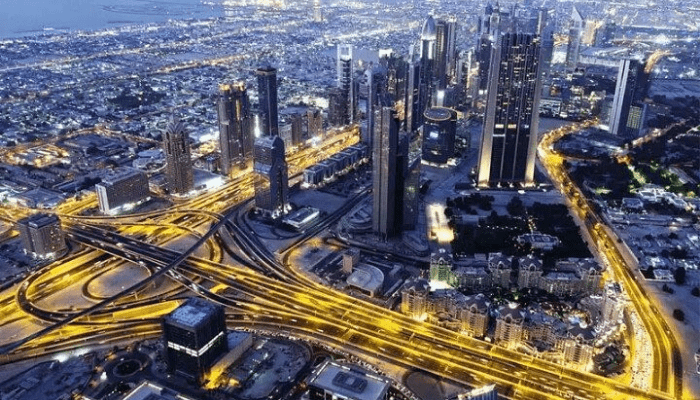
Urban renewal remains one of the most critical instruments for driving economic transformation in developing economies. In Nigeria, where rapid urbanisation continues to shape social and spatial development, cities are at the centre of both opportunity and challenge. Lagos, the nation’s commercial nerve centre, provides a compelling case of how strategic urban renewal can influence economic viability, attract investment, and improve living standards.
With a population exceeding 20 million and limited landmass, the city faces intense pressure on housing, infrastructure, and public services. Yet, through deliberate urban renewal efforts, Lagos has continued to reposition itself as a model of economic resilience and urban competitiveness.
The concept of urban renewal in Lagos dates back to post-independence urban management policies but has gained renewed momentum over the last two decades. Projects such as the redevelopment of the Lagos Marina, Eko Atlantic City, and the transformation of blighted neighbourhoods in areas like Oshodi and Surulere underscore the state government’s commitment to modernising its urban landscape.
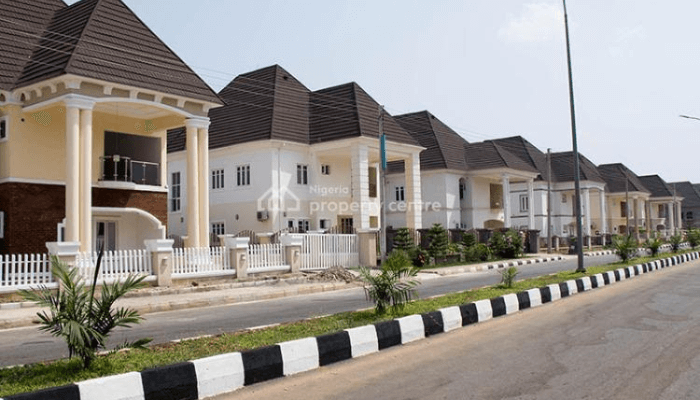
These interventions have not only improved aesthetics but also stimulated local economies, created employment opportunities, and enhanced property values. Urban renewal, when properly executed, serves as both a physical and economic regeneration strategy, unlocking latent value in underutilised spaces and boosting investor confidence.

However, urban renewal in Lagos has not been without its challenges. The process often encounters resistance due to issues of displacement, inadequate compensation, and weak stakeholder engagement. In some cases, renewal projects have been criticised for favouring high-income developments at the expense of inclusive housing, thereby deepening socio-economic disparities.
Moreover, the lack of a comprehensive urban database, fragmented planning institutions, and funding limitations have slowed the pace of transformation in several districts. For urban renewal to fully deliver its economic benefits, these governance and social issues must be addressed through transparent policies, community participation, and effective planning controls.
The Lagos experience offers valuable lessons for other Nigerian states aspiring to replicate its success. First, urban renewal should be integrated within broader spatial and economic planning frameworks. States must identify growth corridors, revitalise inner-city zones, and promote mixed-use developments that encourage both residential and commercial activities. Second, sustainability must be central to all renewal initiatives. This involves adopting green infrastructure, efficient transport systems, and resilient building practices that reduce environmental impact while enhancing economic returns. Third, governments must leverage public-private partnerships to mobilise capital and expertise. Lagos’ collaboration with private investors in projects like the Lekki Free Trade Zone and Eko Atlantic demonstrates how shared responsibility can accelerate development and fiscal growth.
Importantly, urban renewal must be seen as an inclusive process, not merely a beautification effort. It should focus on creating liveable environments where people of all income levels can thrive. Mechanisms for affordable housing, small business empowerment, and infrastructure maintenance must be integrated into renewal programmes to sustain their impact. States such as Ogun, Oyo, and Rivers can learn from Lagos by adopting participatory renewal models that balance economic viability with social equity.
In conclusion, improving economic viability through urban renewal requires vision, coordination, and commitment. Lagos stands today as a living laboratory of how deliberate planning and investment can transform urban spaces into engines of growth.

Yet, its experience also reveals the need for balance between economic ambition and social inclusion. For Nigeria’s cities to become globally competitive, state governments must prioritise renewal as a strategic pathway to economic diversification, sustainable development, and urban resilience.
Oluwafemi Odusanya, an estate surveyor and valuer and director, Lagos State Urban Renewal Authority, writes from Lagos.