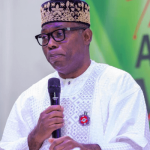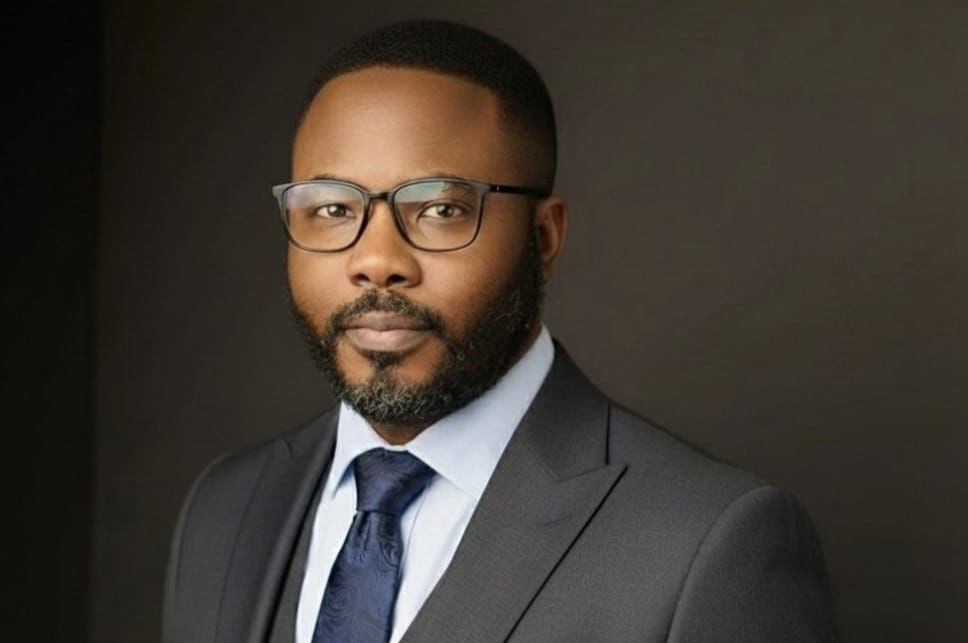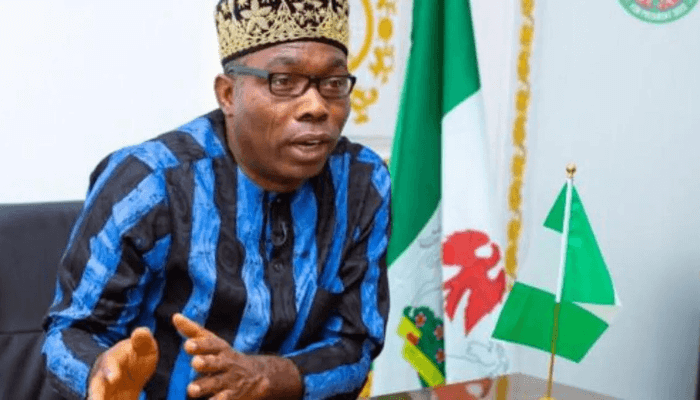
Adewole Adebayo, Presidential hopeful and national sports advocate, has strongly criticised Nigeria’s proposed 2026 tax reform law, describing it as “a bad, unjust and impractical law” that will worsen economic hardship and undermine constitutional governance.
Speaking during an interview on the sidelines of the Adebayo National Marathon, Adebayo said the tax reform is not designed to stimulate the economy or improve public welfare, but rather to centralise fiscal power and expand what he called “economic singularity” under the current administration.
According to Adebayo, taxation has a clear philosophical purpose which the proposed law fails to meet.
“Taxation must do four things,” he said. “It must stimulate the economy, distribute resources fairly, generate sustainable revenue in the long run, and be transparent and easy to understand.”
He argued that the proposed tax law violates all four principles. Instead of encouraging productivity, Adebayo said the law has created fear among small traders, artisans and ordinary Nigerians who are now worried about arbitrary bank deductions, seizures, and complex compliance requirements.

“You cannot have a tax law that makes a market woman think she needs to hire a lawyer,” he said. “That is not taxation; that is intimidation.”
Adebayo also raised serious concerns about the legislative integrity of the tax reform, alleging that provisions currently circulating were not part of what the National Assembly debated or approved.
“If members of the National Assembly are saying the version being circulated is not what they passed, then we are dealing with a potential criminal violation,” he stated. “You cannot smuggle clauses into law in a democracy.”
He warned that implementing such a law would amount to legislative treason and could further erode public trust in governance.
Another major criticism was the increasing role of private consultants in revenue collection, which Adebayo said violates Nigeria’s sovereignty.
“Revenue collection is a sovereign duty,” he said. “You don’t outsource it to private companies the same way you don’t outsource the Navy or the armed forces.”

He recalled that Nigeria’s Joint Tax Board previously discouraged the use of consultants, stressing that allowing private entities to control tax infrastructure could lead to abuse, lack of accountability, and long-term economic subjugation of citizens.
Adebayo alleged that the urgency behind the tax reform is politically motivated.
“They need money ahead of elections,” he claimed. “They have already spent it mentally. This law is about extracting resources from Nigerians to fund politics, not to develop the country.”
He warned that such policies could allow political elites to continue profiting from tax systems even after leaving office, turning citizens into perpetual revenue sources for private political empires.