Huawei Technologies, global tech giant, has committed N50 million to fight malaria scourge in Nigeria through the ‘Malaria-to –Zero’ initiative.
The Malaria-to-Zero initiative is an Access Bank led campaign designed to galvanise the private sector to accelerate progress in the Nigerian government’s malaria elimination agenda and also accomplish a key target of the United Nations 2030 Agenda for Sustainable Development.
“Today, we welcome Huawei, a great partner who is joining us in this campaign with an initial pledge of N50 million which is significant and indication of the fact that the company will contribute a lot more funds as we move into the future,” Herbert Wigwe, group managing director, Access Bank Plc, said during the signing ceremony at the bank’s headquarters in Lagos recently.
“The initiative is to galvanise the private sector to essentially fight malaria and take it to a zero level. Access Bank remains at the forefront of all this process. We would continue to put in more money and raise more funds,” said Wigwe.

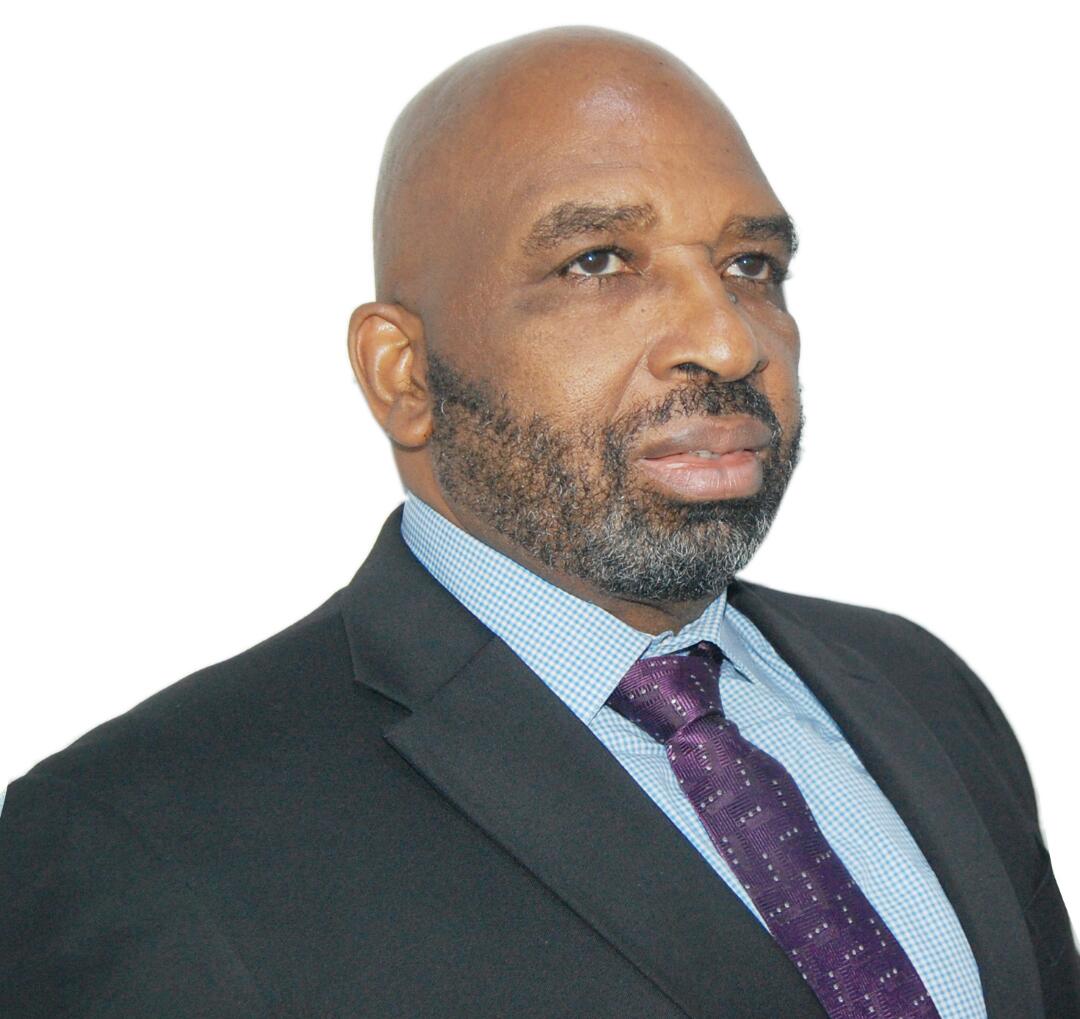
Speaking on behalf of the company, Ade Kehinde, head-enterprise sector, Huawei Nigeria, said “We are giving N50 million and I am sure is something we would like to do more in the future. Health and Education is at the heart of Huawei and that is why we are partnering with Access Bank and the Private Sector Health Alliance in Nigeria (PHN).”
“We will bring in our technology with which there will be much more mileage in the fight against malaria,” Kehinde said.
He stated that the organisation believes that collaborations and platforms like the Malaria-to-Zero initiative are key catalysts to accelerating the impact of malaria intervention.
Available statistics show that sub-Saharan Africa bears a disproportionately high share of the global disease burden, accounting for 88 percent of cases and 90 percent of deaths in 2015. Malaria represents one of the biggest public health and developmental challenges in Nigeria and Africa at large.
According to Muntaga Sadiq, chief executive officer, Private Sector Health Alliance of Nigeria, the initiative is different from other malaria intervention programmes as it focuses on the root cause of why the country is still where it is in terms of malaria disease burden.

“What is different about this initiative is that the theory of change really targets the root cause of why we are where we are in terms of malaria disease burden,” Sadiq said.
“There are a number of areas we have identified particularly in leveraging private sector capabilities to support the health system to avert malaria,” he added.
Malaria is responsible for 60 percent of outpatient visits to health facilities, 30 per cent of childhood deaths, 25 percent of deaths in children under one year, and 11 percent of maternal deaths, according to the National Malaria Strategic Plan (2014-2020).
Representing Jide Idris, minister of health for Lagos State, Eniola Erinosho, director, disease control, said, “We are ready to partner with Access Bank and other partners to eradicate malaria. Health care costs are a huge burden on the less privileged in the society, and development of sustainable private sector partnerships will increase coverage of key interventions better reach in rural and remote areas and increased choice for households.”
Josephine Okojie