HP, one of the world’s biggest tech companies, is doubling down on its efforts to boost digital inclusion across Nigeria by offering training and support for small and medium enterprises (SMEs) as well as people in the remote regions.
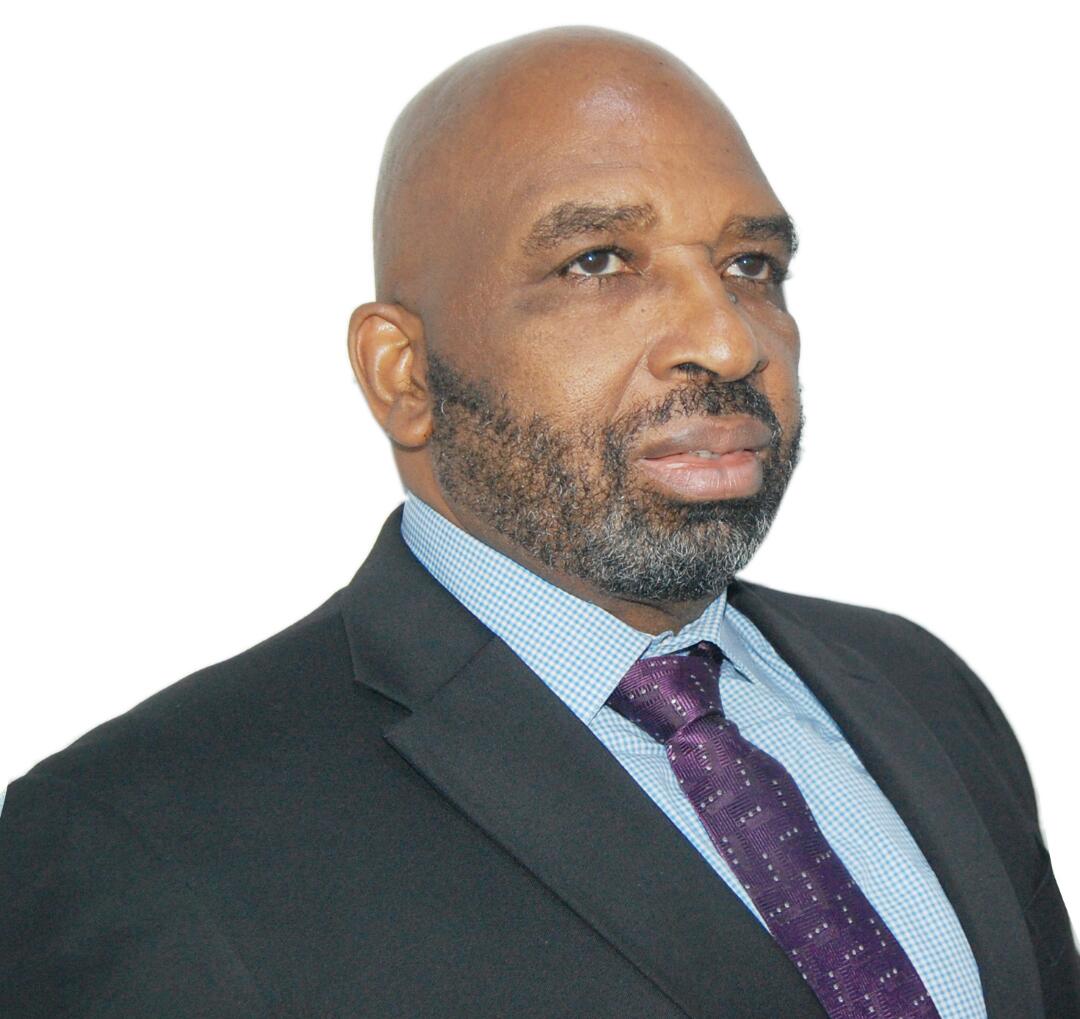
According to Emmanuel Eze, director of HP Nigeria, the company’s goal is to equip 150 million people by the year 2030, adding that with Nigeria being the most populous nation in Africa, the country is a “strategic market”.
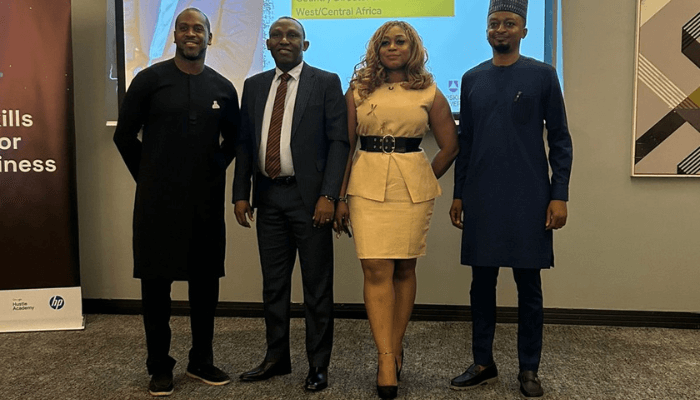
HP in partnership with Google and Upskill Universe gathered some hundreds of business owners on Wednesday to help train them on how to scale up their enterprises in a bid to become more competitive and profitable.
“We keep looking at how we can make more people inclusive in our world today, the digital world. We see gaps every day. So programs like this equip the people because you’re providing tools, you’re providing knowledge, you’re providing training for the people,” Eze said.

Nigeria’s digital divide is deepening with more than half of its over 230 million people lacking access to telecommunications infrastructure. The numbers are stark in rural areas as 61 percent of the dwellers don’t have access to the internet.
This gap is disrupting economic development and reducing the productivity of small businesses that are catalysts for real growth in any country.
In Nigeria, SMEs contribute 48 percent of national GDP, account for 96 percent of businesses, and provide 84 percent of employment, underscoring its importance in the country’s quest for greater economic output.
Eze identified infrastructural gaps as one of the biggest barriers constraining the tech giant’s ability to reach wider audiences.
He however noted that HP is collaborating with other nonprofits as well as relevant government agencies to ensure Nigerians, especially in the underserved areas are not left behind.

“You are dealing with things around policies and all of that, working in collaboration with these NGOs, we are able to mitigate those barriers,” Eze said.
“You can’t do it alone. You need people, the public, working with the government, providing them with knowledge and training, and then with the individuals who all come together in that ecosystem, and we are able to address the digital gap we see today in our world.”
The director stated that part of the initiatives HP has carried out to help build capacity was the launching of HP Life, a program that is tailored to young entrepreneurs, to help them upskill their talent and get them ready for future work.
He also added that the company has equipped some nonprofits in the rural area in a bid to lower the divide in the region and get them to be more productive and contributory to the nation’s economy.
“Some weeks ago, we equipped Slum2School. Slum2School is an NGO that reaches out to the remote areas, the forgotten people out there. And then we worked with SheCode. SheCode addresses gender equity for females,” the director said.
“So we are with these partners able to penetrate those rural areas where we might not be able to go as HP. We help equip them so they are able to reach far and wide beyond what HP alone can do.”