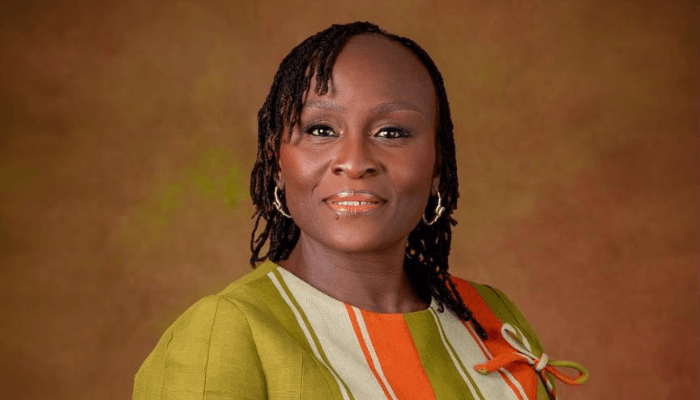
Hilda Manyo Dickson is a seasoned finance professional with 27 years of postgraduate experience 21 in oil & gas and 6 in banking specialising in cost and management accounting for senior management decision-making. She is currently the Treasury Manager at TotalEnergies EP Nigeria, having previously served as LNG & Technical partnership Assets Finance Manager. Over 14 years in cost control, she worked across technical and support functions, driving cost optimisation in collaboration with budget owners. Beyond her corporate role, Hilda is the author of Osunyameye Nothing is Impossible with God, a personal account of her daughter’s battle with childhood cancer, with all book profits dedicated to supporting affected families. In this interview with KENNETH ATHEKAME, she spoke on the state of personal financial literacy in Nigeria and the most common financial planning mistakes Nigerians make. Excerpts:
Can you briefly tell us how you got into personal finance?
I studied Accounting and have worked in Finance for over 27 years, but interestingly, my passion for personal finance did not come from the classroom or the boardroom. It came from real life. I saw how financial setbacks could derail even the most promising journeys, not just around me but in my own upbringing. I remember when the rental apartment we lived in during the early 90s was offered for sale at 800 thousand naira. My dad offered 500 thousand, but a higher bidder got it. My head spun in all directions… chuckles. And then there was my mum, a serial businesswoman with her hands in many ventures, but not much structure around spending. Her income went straight from hand to solving problems or taking care of domestic needs. She would often tell me, “My bank is in my purse” and she meant it… ha ha.
All of that lit a fire in me to understand money better, to take control of my own finances, and to help others do the same.

How would you describe the state of personal financial literacy in Nigeria today?
I’d say there’s been a lot of improvement, but there’s still a significant gap. We now have many coaches and content creators on various platforms sharing valuable insights on personal finance, and more people are beginning to embrace it. However, a large number still struggle with financial terms and concepts often not because they can’t understand them, but because fear gets in the way.
What are the biggest financial planning mistakes you see Nigerians making?
I would summarise them this way: waiting for the perfect time to start planning and in the meantime living only for today.
There is this unspoken belief that the well never runs dry and that Nigeria will eventually get better. While hope is important, many people forget that beyond the state of the economy, your personal economy needs to be managed like a thriving business.
It is not about how much you earn but how well you plan, track, and grow what you have. The earlier you start, the better your chances of staying ahead no matter what the national headlines say. So, I guess it’s important to live and enjoy the present but don’t forget tomorrow is coming.

How should an average Nigerian structure a monthly budget, given the rising cost of living?
There is no one size fits all. Everyone’s situation is unique. But at the core, you are either spending, saving, or giving out money. So, it is important to budget with a clear understanding of your goals and mindset.
A good starting point is the 50 30 20 rule – 50 percent for essentials, 30 percent for wants, and 20 percent for savings or investment. Alternatively, flip the model and pay yourself first by setting aside savings and investments before spending on anything else.
In this economy, if you are not investing in ways that can withstand inflation, staying afloat will only get harder. Budgeting is not just about survival. It is about securing your future by telling your money where to go!
What strategies do you recommend for setting financial goals in an economy like Nigeria?
The strategy should not be too different from anywhere else. Take it one step at a time and be kind to yourself in the process.
Start with SMART goals: Specific, Measurable, Achievable, Realistic and Time bound. Then ask yourself some honest questions: What do you want your life to look like in the next one, five or ten years? What will it take to get there? What do you already have in your hands?
Clarity comes from action, so just start no matter how small.
With inflation eroding the value of money, what’s the smartest way for Nigerians to save today?
The goal is to move from just saving to investing and not just in one currency, but across multiple currencies.
With the naira constantly losing value, it is wise to hedge with stronger currencies. This could mean buying foreign stocks or ETFs, investing in dollar mutual funds and bonds, or even acquiring foreign-denominated assets. It may not stop inflation, but it gives you a much-needed buffer and helps preserve the value of your money over time.
How can low-income earners build a culture of saving despite tight finances?
Saving isn’t just about putting money in the bank. it’s about building the right habits and mindset. Even on a low income, small consistent actions make a difference.
I remember when my husband accepted a job paying just 20% of his previous income. It was tough, but he still saved something. That changed my thinking and challenged me to be more intentional.
Start by tracking your spending, finding alternatives, and cutting back on non-essentials. Even 500 Naira regularly saved is progress. The key is consistency. Once the habit forms, your income level will no longer determine whether you save, your mindset will.
What investment options are safe and profitable for Nigerians in today’s economy?
No investment is completely risk free, but there are relatively safer options worth considering. Treasury bills, commercial papers, money market funds, money market mutual funds, and bonds remain solid picks for capital preservation and steady returns.
For those with higher income, real estate including short term rentals like Airbnb can be profitable. And if you are younger and can afford to take some risk, exploring the Nigerian and foreign stock markets may be worth it.
The key is to diversify, start small, and always understand what you are putting your money into.
How can someone differentiate between real investment opportunities and scams?
The first warning sign of a scam? If it sounds too good to be true, it probably is.
Scams often promise extremely high returns, apply pressure to act quickly, and lack proper governance or transparency. They are typically backed by unrealistic claims. That’s the opposite of most genuine investments.
Genuine investments usually have clear fundamentals, a sound governance structure, and realistic return expectations. Even in Nigeria’s high-inflation environment, most conventional investments other than a few exceptional stocks haven’t delivered more than 27% annually. Always ask: Is this sustainable? Is there proper oversight? If the answers aren’t clear, then flee.
What’s your take on investing in the Nigerian stock market, real estate, or agriculture.
I will put it simply. If it aligns with your risk appetite and long-term goals, then by all means, go for it.
These sectors can offer good returns, but they require research, patience, and a clear understanding of how they work. They are not get-rich-quick schemes. Unless you are a speculative investor, be ready to play the long game. Every investment must match your season, your strategy, and your level of commitment.
How can individuals protect their wealth from the effects of naira devaluation and inflation?
As mentioned earlier, the key is to move from just saving to strategic investing and from relying solely on the naira to diversifying across stronger currencies.
Look into dollar mutual funds, foreign-denominated bonds, international stocks or ETFs, and if possible, build assets that earn in foreign currency. For those with lower risk appetite, even local investments like treasury bills or money market funds can help preserve value better than leaving money idle.
It is all about protecting your purchasing power. You may not control inflation, but you can control how prepared you are for it.
What advice do you have for people dealing with multiple loans (e.g., salary advances, loan apps)?
Personally, I’m not a big fan of taking loans, especially for consumption or lifestyle upgrades. Unless it’s absolutely necessary and tied to building a truly assured asset, loans can become a heavy burden.
The reality is that most investment returns don’t match the interest rates on quick loans or salary advances. It often turns into a losing game. My advice is to start by scaling back and learning to live within your means. Then, face the debt head-on. List all your loans, starting with those that carry the highest interest rates, and begin repayment using the avalanche method. Alternatively, the snowball method — starting with the smallest loan — can offer quick wins and build momentum.
Whichever method you choose, the goal is to regain control. Every naira you free from debt is a naira you can begin to invest in your future.
Is it advisable to take loans for investment or business purposes in Nigeria right now?
As I mentioned earlier, I’m not a big fan of borrowing. Unless the return is certain and significantly higher than the interest on the loan, it often ends up being a losing game.
So, my advice is simple. Do the maths. Understand the numbers clearly before committing to any loan. Count the full cost, not just the opportunity.
Even the Bible reminds us that the borrower is servant to the lender. So, tread carefully, especially in this economic climate.
Many Nigerians are turning to side hustles. How should they manage income from multiple sources?
The same way you manage income from one source; plan for it. Every naira should have a purpose.
Whatever budgeting style you use, whether it’s the 50:30:20 rule, reversed budgeting, or zero-based budgeting, the key is to make sure your essentials, savings, investments, and even wants are properly accounted for.
If your side hustle is a registered business, also remember to plan for taxes. Treat the income with the same level of structure and intentionality. It is not just extra money…it is part of your wealth-building journey.
How can small business owners better manage their finances during periods of economic uncertainty? Are digital savings and investment platforms reliable?
Keep your eyes on cash flow. Cut non-essentials. Separate personal from business funds and plan for slow seasons. Focus on what brings in profit.
Digital savings and investment platforms can help, but choose only those licensed by SEC or CBN. Start small and avoid anything with outrageous returns.
In tough times, structure and wisdom go a long way.