The Nigerian economy in 2025 is facing a tough road, balancing between ongoing struggles and cautious hope. Recent government policies, like removing petrol subsidies and allowing the naira to trade more freely, were meant to fix deep-rooted issues and boost economic growth. But instead of relief, these changes have made life harder. Prices have skyrocketed, the naira has lost value, and many Nigerians are feeling the pinch more than ever.
For small and medium enterprises (SMEs)—the backbone of Nigeria’s economy—this means a challenging business environment. These businesses provide jobs and drive innovation, yet they are struggling the most. High costs, difficulty in getting loans, and inflation have forced many SMEs to shut down. Despite all these challenges, there are signs of hope. Inflation is expected to drop to 26% by the end of the year. Oil production is improving, which should help stabilize the foreign exchange market. The government is also working on a credit guarantee scheme to make it easier for small businesses to get loans.
But just staying in business is not enough—SMEs need to find ways to grow. One of the best ways to do this is by using artificial intelligence (AI) and other new technologies. AI can help businesses work smarter, serve customers better, and even cut costs.
Automation is one area where AI can make a big difference. Many businesses still rely on manual work for things like record-keeping, invoicing, and customer service. AI can take over these routine tasks, reducing errors and giving employees more time to focus on growing the business.

Read also: African youths: On shaping a prosperous future with AI technology
AI-powered data analysis is another game-changer. It helps businesses understand customer preferences, sales trends, and market conditions. With these insights, SMEs can make better decisions, offer the right products, and adjust their strategies to match the economy.
Marketing is another area where AI can help. Instead of spending money on broad, ineffective advertising, businesses can use AI to create targeted campaigns that reach the right audience. This means more engagement, better sales, and lower marketing costs.
AI can also improve supply chains. With rising transportation costs and currency fluctuations, businesses need smarter ways to manage inventory and deliveries. AI tools can predict demand, spot problems before they happen, and suggest cheaper suppliers. This helps businesses stay profitable even when external conditions are tough.
Cybersecurity is another critical issue. As more SMEs go digital, they become targets for cyberattacks. AI-powered security tools can detect threats early, protecting business and customer data. A secure business builds trust, and trust brings in more customers.

Customer relationship management (CRM) is another area where AI shines. AI-driven CRM tools analyze customer interactions and help businesses offer more personalized services. Happy customers stay loyal, and loyalty leads to long-term success.
Financial management is also becoming easier with AI. Predictive analytics can help SMEs manage cash flow, avoid unnecessary debt, and explore new funding options like crowdfunding. With the right financial tools, businesses can plan ahead and avoid crises.
Of course, adopting AI is not just about buying software. Business owners must carefully assess their operations and invest in the right solutions. Working with technology experts and learning from other businesses can make the transition smoother.
Read also: With AI technology tailor-made in Africa, the sky’s the limit!
The government also has a role to play. Stabilizing the foreign exchange market will make AI tools and other tech solutions more affordable. Tax incentives can encourage businesses to invest in digital transformation. Infrastructure improvements, like better electricity and internet access, will make it easier for SMEs to use these technologies effectively.
Additionally, business owners and employees need training to fully benefit from AI. Programs on digital literacy and data analytics can help SMEs unlock the full potential of AI.
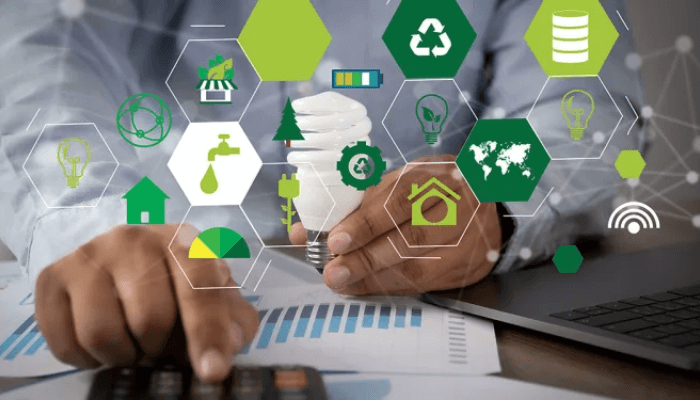
Beyond technology, businesses also need resilience strategies. Diversifying income sources, forming partnerships, and cutting unnecessary expenses can help businesses stay afloat. Sustainability is also becoming important—consumers are increasingly supporting businesses that adopt eco-friendly practices.
The road ahead for Nigerian SMEs is tough, but not impossible. By embracing AI, taking advantage of supportive government policies, and investing in the right skills, small businesses can turn challenges into opportunities.
Now is the time for action. Business owners must be proactive, and policymakers must create an enabling environment. If both sides play their part, SMEs will not just survive—they will thrive, shaping a stronger Nigerian economy for the future.
With determination, creativity, and innovation, Nigerian entrepreneurs are ready to rise above the storm and build a more prosperous future, one business at a time.