Brands across Africa are quietly rewriting the rules of influencer marketing, ditching the obsession with million-follower accounts and actively seeking creators who command smaller but fiercely loyal real-world communities; at Entertainment Week Africa, industry leaders revealed that a running club with 50 consistent members, a book club that fills a café every month, or a niche WhatsApp group with 300 active participants can now out-value traditional “big” influencers when it comes to delivering measurable results for brands.
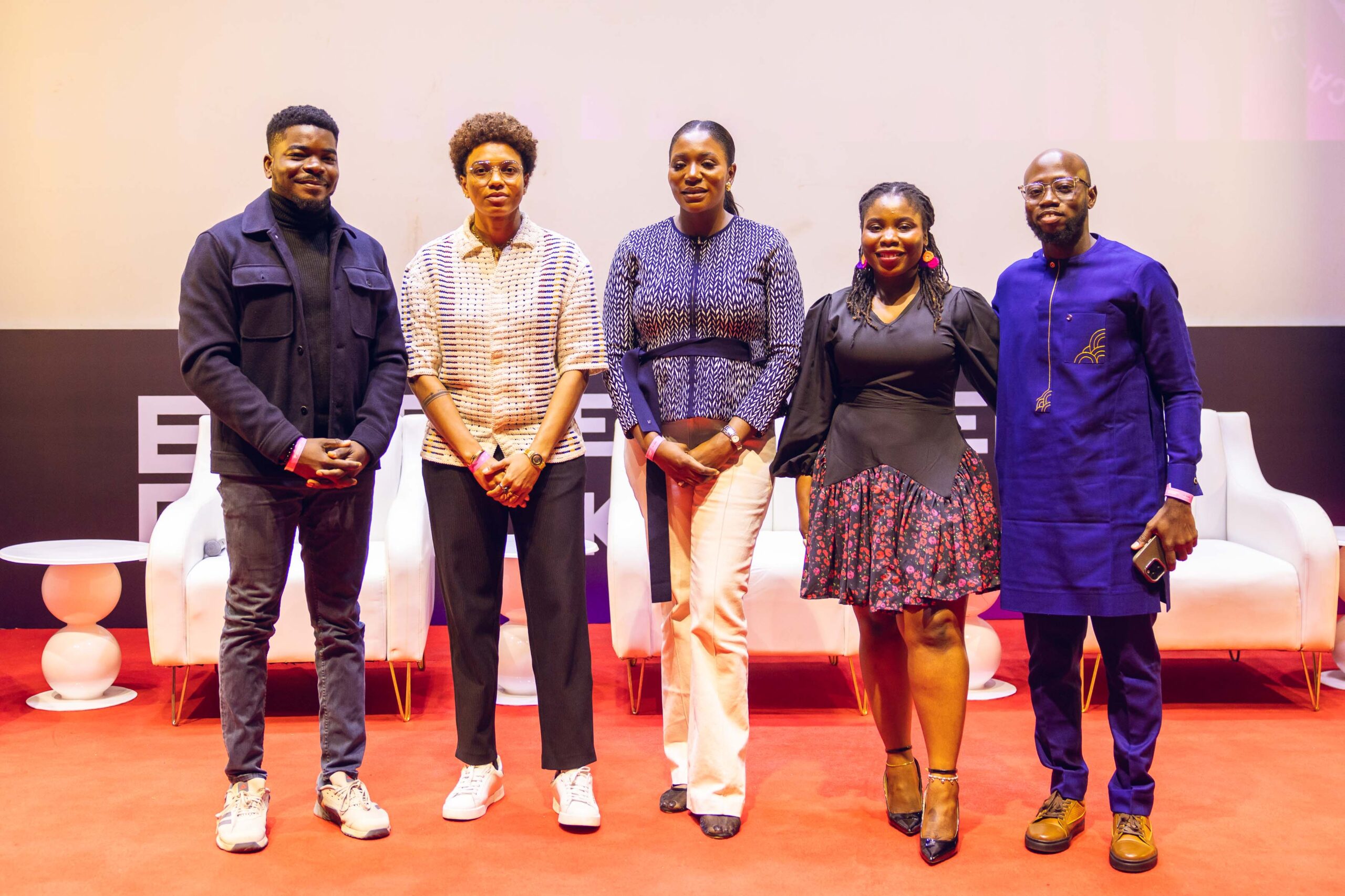
According to Itohan Barlow Ndukuba of Rolling Stone Africa, speaking in one of the panel sessions held at Alliance Française Lagos, global and local brands are rapidly moving away from the traditional mega-influencer model — defined by sky-high follower counts and often superficial engagement — toward partnerships with creators who command smaller, hyper-engaged, real-world communities.
“We’re seeing a shift from brands wanting to work with influencers to brands wanting to lean into communities,” Barlow Ndukuba said. “Community is at the heart of what we do as Africans. Even if your run club is only 50 people, if 30 show up every Saturday, that is more beneficial to a brand than a large influencer whose audience may not convert into loyal ambassadors.”
The implications are profound for Africa’s creator economy, where tens of thousands of talented individuals have felt locked out of brand deals because they lack six- or seven-figure follower counts. The new model rewards depth over breadth, authenticity over aesthetics, and consistent real-world activation over viral one-offs.

Panel moderator Fisayo Fosudo pressed the point: “Exposure deals should be strategic. Sometimes a collaboration opens doors to relationships, adds to your portfolio, or elevates how the industry perceives you — even if the immediate paycheck is small.”
For brands, the pivot makes financial sense. Traditional influencer campaigns have come under increasing scrutiny for poor ROI, with studies showing that micro- and nano-influencers (under 100,000 followers) often deliver engagement rates three to five times higher than their macro counterparts. When those micro-influencers also organize physical meet-ups, workshops, or clubs, the value multiplies.
Barlow Ndukuba urged creators to reframe how they pitch brands entirely. “Come up with your own proposition,” she advised. “Translate the value of your community — no matter how small — into something a brand can activate. There will always be a brand looking for exactly that audience.”
Early adopters are already proving the model. Fitness creators organizing weekly runs in Lagos and Nairobi have secured partnerships with sportswear giants. Book-club hosts with just a few hundred members have landed deals with publishers and beverage brands looking for cultured, affluent niches.
The shift also aligns with broader global trends. Platforms like Patreon, Substack, and emerging community-focused apps are seeing explosive growth as audiences crave closer connections with creators. Barlow Ndukuba encouraged African talent to become early adopters on these newer platforms where noise is lower, and monetization tools are built specifically for community-first creators.

For corporate Africa, the message is equally clear: the days of spraying marketing budgets across a handful of celebrity influencers are ending. The future belongs to scalable, repeatable partnerships with hundreds or thousands of niche community leaders who can deliver measurable, loyal customer bases.