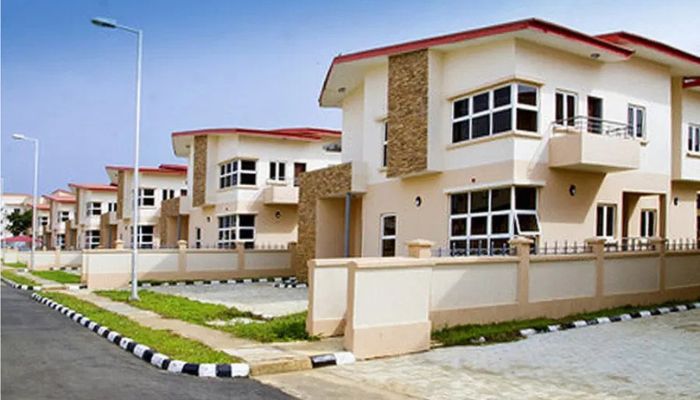
In virtually every nation, the discourse on economic growth often revolves around factors such as industrial output, foreign investment, technology, and human capital development. Yet, one element that is sometimes underexplored but remains fundamental is housing infrastructure.
Housing is more than just shelter; it is an economic commodity, a social stabiliser, and a driver of development. From job creation to stimulating demand in allied industries, and from providing collateral for wealth creation to enabling urban renewal, housing infrastructure plays a central role in catalysing sustainable growth.
At the heart of modern economies, housing represents both a consumption good and an investment asset. For households, a house is the most valuable asset they may ever own; for governments, housing development signifies a visible expression of social contract fulfillment; and for the economy, housing is a critical sector that triggers multiplier effects across industries.
According to World Bank estimates, the real estate and construction sector contributes between 7 percent and 14 percent of global GDP, depending on the region. In advanced economies such as the United States, housing-related activities, construction, real estate, mortgage finance, home improvement, and property services, are significant drivers of employment and wealth accumulation.

Similarly, in emerging economies like Nigeria, housing is estimated to contribute about 3.1 percent of GDP, though with vast untapped potential. The importance of housing infrastructure stems from its ability to integrate multiple aspects of the economy, ranging from financial markets to labour absorption, raw material demand, and even energy consumption patterns.
One of the clearest pathways through which housing drives economic growth is job creation. Housing infrastructure development requires a wide array of skilled and unskilled labour—land surveyors, architects, town planners, engineers, builders, masons, carpenters, electricians, plumbers, and labourers. The construction phase alone is highly labour-intensive and generates immediate employment.
Beyond construction, housing stimulates jobs in allied industries such as:
•Cement, steel, timber, and glass manufacturers benefit directly from rising demand.
•Furniture, interior décor, and home appliance industries experience growth from household spending.

•Financial institutions expand their mortgage, insurance, and investment portfolios.
The International Labour Organisation (ILO) estimates that every housing unit constructed directly and indirectly generates between 5 and 7 jobs, depending on the complexity of the project. In countries struggling with high unemployment rates, especially among youths, housing development represents a low-hanging fruit for labour absorption and poverty alleviation.
Furthermore, housing plays a unique role in wealth accumulation and capital formation. Unlike many consumer goods that depreciate, housing typically appreciates over time, thereby serving as a store of wealth. For many households, owning a home is the first step toward economic security and social mobility.
Moreover, housing assets are often used as collateral to access credit, which fuels entrepreneurial ventures, small businesses, and industrial expansion. In advanced economies, mortgage markets are among the most developed financial sectors, reflecting the centrality of housing to economic dynamism. In contrast, underdeveloped housing finance systems in many developing countries limit credit creation, thereby constraining economic opportunities.
Thus, by expanding housing infrastructure, countries stimulate financial deepening, broaden access to capital, and enhance wealth distribution among citizens.
Urbanisation is one of the defining features of the 21st century. The United Nations projects that by 2050, nearly 70 percent of the world’s population will live in urban areas. For countries like Nigeria, where urbanisation is rapid but poorly managed, housing infrastructure becomes a crucial determinant of whether urban growth leads to prosperity or squalor.
Well-planned housing infrastructure is not just about buildings; it encompasses roads, drainage, power supply, water systems, waste management, schools, and hospitals. When integrated with urban planning, housing infrastructure prevents the growth of slums, enhances liveability, and improves productivity.
A city with adequate housing infrastructure attracts investors, boosts tourism, and fosters innovation. On the contrary, inadequate housing leads to overcrowding, insecurity, health hazards, and economic inefficiency.
Therefore, housing infrastructure development must be seen as a strategic tool for urban renewal and sustainable cities, aligning with the United Nations Sustainable Development Goal (SDG 11): “Make cities and human settlements inclusive, safe, resilient, and sustainable.”
Housing infrastructure has strong backward and forward linkages with the industrial sector. The construction of a single housing estate requires raw materials such as cement, iron rods, paints, ceramics, cables, and roofing sheets—all products of local industries.
This demand stimulates local production, encourages import substitution, and generates foreign exchange savings. In countries with strong housing policies, such as China, the real estate and housing sector has been deliberately leveraged to grow domestic industries.
The Chinese government, for example, integrated housing development with industrial production, thereby transforming its housing sector into a pillar of its economic miracle. For developing countries, expanding housing infrastructure could serve as a stimulus for industrial diversification away from resource dependency, creating a robust value chain of construction-related industries.
Economic growth is not just about figures and GDP ratios; it is equally about social cohesion and stability. Adequate housing contributes to societal peace by reducing homelessness, overcrowding, and the tensions that arise from informal settlements.
A family that lives in decent housing experiences improved health, educational performance for children, and higher productivity for adults. Conversely, inadequate housing contributes to poor health outcomes, crime, and urban discontent—all of which erode economic progress. Housing is, therefore, not merely an economic commodity; it is a social stabiliser and a foundation for inclusive development. Countries that invest in housing infrastructure ultimately invest in the well-being and productivity of their citizens.
Despite its enormous potential, several challenges limit the ability of housing infrastructure to fully drive economic growth in many developing economies. These include:
High Construction Costs – Rising prices of cement, steel, and other inputs make housing unaffordable for low- and middle-income earners.
Weak Mortgage Systems – Limited access to long-term financing hampers home ownership and housing investment.
Land Tenure and Titling Issues – Bureaucratic bottlenecks in land administration discourage investment and inflate costs.
Infrastructure Deficits – Poor roads, electricity, and water supply in many areas limit large-scale housing projects.
Policy Inconsistency – Frequent changes in government policies undermine long-term housing sector planning.
These barriers explain why many countries face acute housing deficits. For instance, Nigeria is estimated to have a housing deficit of over 20 million units, requiring trillions of naira in investment to bridge. Without deliberate intervention, housing infrastructure cannot achieve its transformative economic role.
To fully harness housing infrastructure as a driver of economic growth, deliberate strategies must be pursued to:
Expand Affordable Housing Finance – Strengthen mortgage institutions, encourage low-interest housing loans, and promote innovative financing models such as cooperative housing schemes.
Promote Local Building Materials – Support research and development into affordable, locally sourced materials to reduce costs and dependence on imports.
Reform Land Administration – Simplify land titling processes, reduce bureaucratic delays, and digitise land registries to attract investment.
Public-Private Partnerships (PPP) – Governments should partner with private developers to deliver large-scale housing projects while providing enabling infrastructure.
Integrate Housing with Urban Planning – Housing development should be accompanied by roads, schools, hospitals, and utilities to create liveable communities.
Incentivise Green Housing – Encourage eco-friendly housing designs that reduce energy costs and promote sustainability.
By implementing these strategies, housing infrastructure can become a central pillar of economic transformation.
In conclusion, housing infrastructure is more than bricks and mortar—it is the foundation of economic progress and social stability. By stimulating employment, wealth creation, industrial development, and urban renewal, housing plays a catalytic role in shaping the trajectory of national growth.
Countries that have prioritised housing development, such as Singapore, China, and South Korea, have not only witnessed improved living standards but also experienced accelerated economic growth. For nations like Nigeria, where the housing deficit remains alarming, deliberate investment in housing infrastructure represents both a social necessity and an economic opportunity.
In the final analysis, the road to inclusive and sustainable growth is paved not only with factories, highways, and financial markets but also with the homes people live in. If governments and stakeholders recognise housing as a strategic growth driver, they will not only build houses but also build economies, build wealth, and build nations.
Hakeem Bakare, an estate surveyor and valuer, writes from Lagos.