Most sectors of the Nigerian economy are witnessing a lull in business due to fears and uncertainties over Saturday’s presidential election and a consequent high level of inactivity among corporate organisations, investors and the public.
The worst hit are the hospitality and airline sectors, which rely on corporate activities and public movements to boost patronage. Players in these sectors are concerned that post-election crisis may further deepen their woes.
At present, the Nigerian hospitality sector, which is still struggling to recover from the traditional January lull in business, is witnessing another slowdown as most guests, especially foreigners, stay away from the country and corporate organisations postpone their event until after the elections.
The development is resulting in a dwindling occupancy rate that hovers around 40-50 percent and huge revenue loss.

Comparing this time with same period in 2018, Ephraim Onah, a Lagos hotel manager, said business, which had started recovering from the normal new year lull at this time last year, is not in good shape now and may go worse if the election is not peaceful.
“Average occupancy by this time last year was around 60 percent, but we are not sure of 50 percent now and if the Saturday election is not peaceful, then the rooms will be empty for long and that means huge revenue loss,” Onah said.
Ubong Nseobot, sales manager, Southern Sun Ikoyi Hotel, thinks the election may affect sales for the Valentine’s Day, which falls two days before the election, as most people would ordinarily prefer weekend packages but are pulling back because the weekend is election and movement is restricted.
Boudiry Emry, a three-hotel manager in Abuja, said his hotel has recorded the worst sales for the Valentine’s Day packages because of the election which falls on Valentine’s weekend.
“By this time last year, we were already fully booked by guests who took advantage of our Valentine’s package, but the reverse is the case now as most of our usual guests complain of the election. We have less than 30 percent booking for our Valentine package despite the huge discount,” Emry said.
The hotel manager further explained that the poor sales would affect their revenue target for the first quarter of the year, which is usually small because of the January business lull.
His prayer is that the election should be peaceful so that businesses will resume. Otherwise, Emry said, any form of crisis will impact the sector more negatively, close to the sad experience of the 2016 recession.

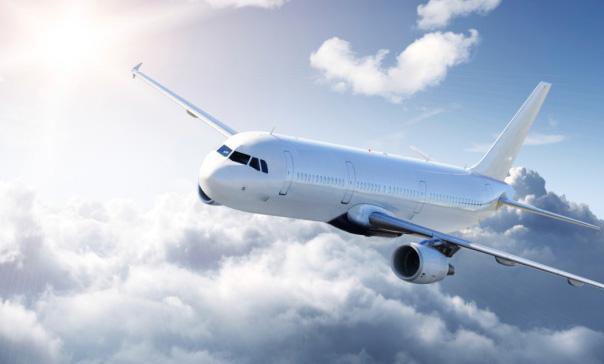
The airlines are also beginning to complain as load factor goes down to 60 percent.
Kingsley Ezenwa, media and communications manager, Dana Airlines, told BusinessDay that people are going to various parts of the country but the election uncertainty is alarming and has amounted to low seat factor.
Ezenwa said the only operators benefitting now are the charter operators who are being booked for election campaigns.
“Load factor, which used to be between 90-95 percent, has gone down to about 60 percent now, though slightly above 50 percent average except for certain days like weekends,” Ezenwa said.
“Generally, sales have been down. Whenever elections draw close, people are usually sceptical, so investors are afraid to invest. This will impact on the frequency of travels across the country,” he said.
Chris Iwarah, corporate communications manager, Air Peace Limited, said the airline still has good numbers but the campaign movements are causing delays and cancellations.
“We go to some of the places where people go to for campaigns because of our spread. The only challenge is that we may have delays because of the VIP movements. The election is a seasonal thing; it is just a sacrifice everyone makes for the country to take the right steps,” Iwarah said.
On the other hand, there is an appreciable increase in the number of private jets and charter aircraft currently operating in Nigeria as a result of on-going election campaigns and depleting fleet size for commercial airlines.
BusinessDay checks show that Nigeria’s eight commercial airlines, which altogether had over 70 aircraft on their fleet, are currently struggling with about 30 to 35 aircraft, thereby causing passenger glut. This has driven passengers, especially those travelling in group, to charter operators.
A source close to the Nigeria Civil Aviation Authority (NCAA) who craved anonymity told BusinessDay that the number of private jets and charter aircraft in the last three years has increased from about 90 to over 160, showing a 70 percent increase.
OBINNA EMELIKE & IFEOMA OKEKE