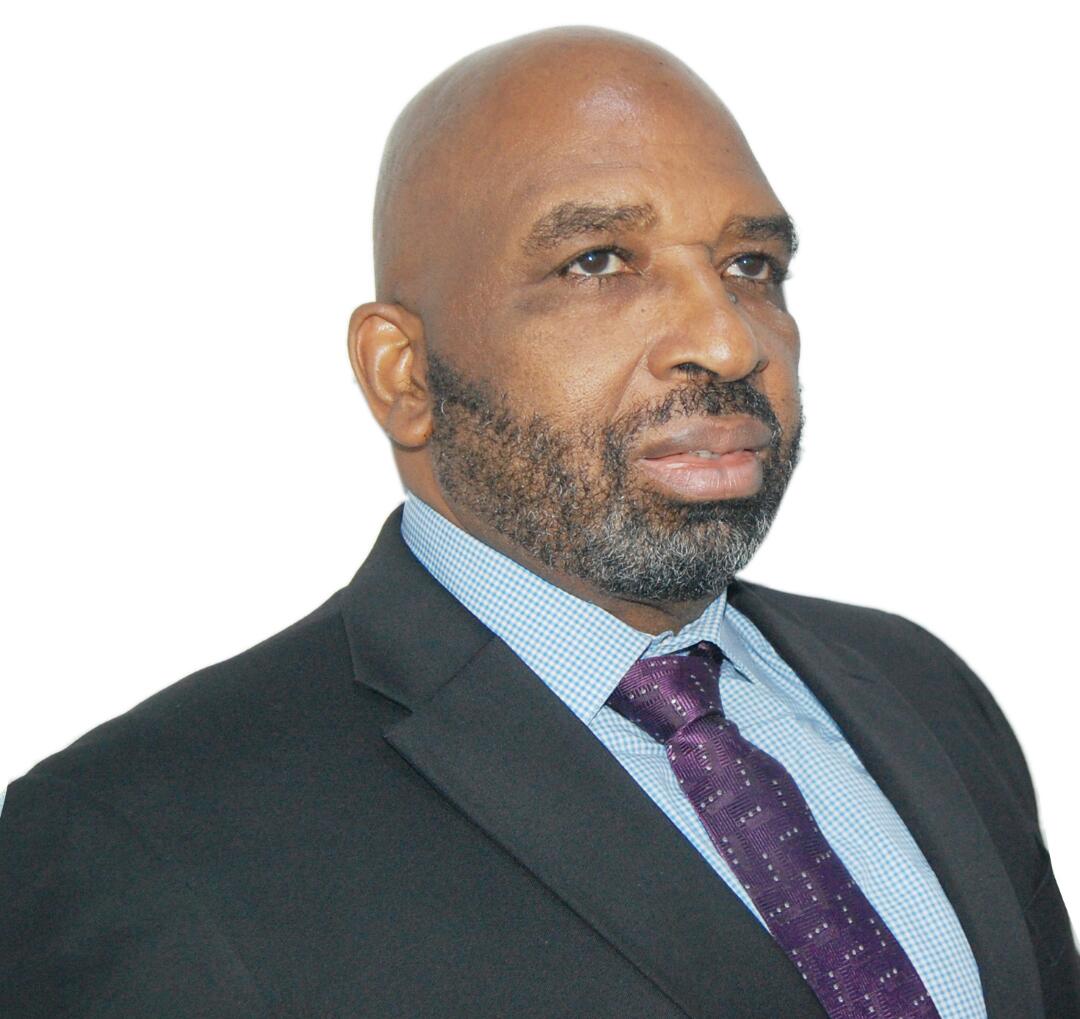
Heritage Bank Limited has reiterated its commitment to building a network of entrepreneurial leaders necessary to drive the growth of Micro Small and Medium Enterprises (MSMEs) in Nigeria.
Ifie Sekibo, managing director/chief executive of Heritage Bank, says this, adding that the bank has developed and introduced wide range of services that address the capacity and financing needs of MSME businesses.
“The goal of Heritage Bank’s MSME offerings is to build a network of entrepreneurial leaders that will drive the growth of the sector. This would enhance the ability of the MSME sector to effectively play its role as the engine growth of the economy,” according to him.
Heritage Bank’s commitment to leadership building in the MSME sector is reflected in the bank’s SME Clinic. “The Heritage Bank SME clinic is designed to enhance the entrepreneurial capacity of our SME customers. Through the clinic, Heritage Bank understands the different aspects of the customer’s business in order to identify areas where it can add value. As a result we are able to develop customised products and services based on the identified needs of each SME customer,” Sekibo says.

This is complemented with Heritage Governance Model, through which the bank introduces Corporate Governance Framework to its MSME customers. The phase one of the scheme focuses on issues around statutory and regulatory obligations and incorporates the following four services: Company Secretary Services; Auditing and Assurance; Accounting Services; and Tax Consultancy. These services are rendered to SME customers of the bank at subsidised fees by network of consultants.
To further demonstrate its commitment to the growth of the MSMEs, the bank developed the Paris Club Scheme in partnership with RSL Derivatives Limited. This is a credit enhancement scheme specially designed for SMEs to collectively help each other create a platform that will accelerate growth and give SME’s easy access to funding. The solution provides a platform for SMEs to adopt best practices in managing their businesses and also enable them to access loans from the bank without any hard core collateral.
In addition to these, it is using the mass media to help MSME businesses across the country. This is done through the Enterprise Stories, a radio programme in partnership with Enterprise Development Centre of Pan African University. The Enterprise Stories is aired on Classic 97.3FM every Sunday at 7pm and on Inspiration 92.3FM at 3:00pm every Tuesday.
It focuses on stories of successful entrepreneurs, specifically on how they started, their challenges and how they have remained sustainable. The programme also shares useful business tips from the analysis of the stories provided by the SME experts.

HOPE MOSES-ASHIKE