The Nigerian Meteorological Agency (NiMet) has forecasted that temperatures in 2025 will generally exceed the long-term average across the country.
Both daytime and night time temperatures are expected to be warmer than usual in January, February, March, and May.
The World Meteorological Organisation (WMO) also highlighted that 2024 was the hottest year in 175 years and warned that 2025 will be a critical year. These rising temperatures will not only impact crop production but also pose a significant challenge to livestock.
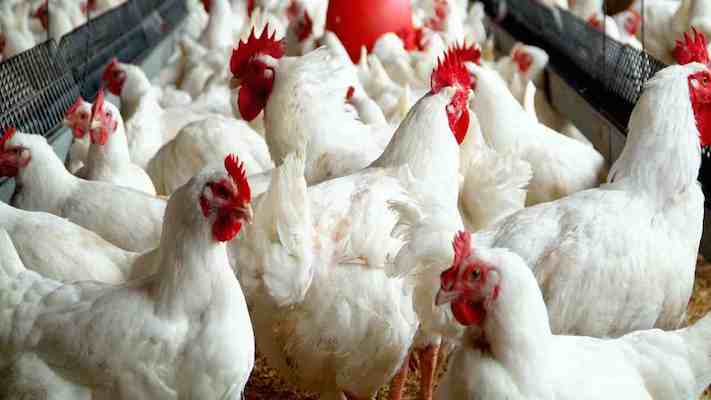
Broilers are selectively bred for rapid growth, but their limited ability to regulate body temperature makes them highly susceptible to heat stress.

Read also: Lagos taps subsidy to support poultry, fish industries from collapse
Here are 5 ways to manage heat stress in poultry birds.
Ensure proper ventilation
To ensure effective cross-ventilation, ensure to provide cool air inlets to facilitate air movement throughout the space. Additionally, using white-painted or reflective roofing materials can minimize heat absorption, creating a cooler environment inside.
Integrating evaporative cooling systems, such as cooling pads or foggers, can further enhance this effect, lowering shed temperatures by 5-10°C for optimal comfort and efficiency.
Install cooling systems

To help birds stay cool during hot weather, misting them with room-temperature water can effectively lower their body temperature by promoting evaporation and cooling their skin.
Additionally, setting up fans or misting systems can enhance air circulation, which aids in dissipating heat and maintaining a more comfortable environment.
Relocating the birds to shaded or well-ventilated areas further improves airflow and reduces heat build up, creating a cooler and safer space for them. By combining these methods, you can effectively ensure your birds stay comfortable during warmer conditions.
Give them enough water
Providing electrolyte-enhanced water helps restore vital minerals, aiding birds in their recovery from heat stress.
Additionally, supplementing with glucose and amino acids boosts energy levels and supports immune function, further enhancing their ability to recover during high temperatures.
Together, these interventions work synergistically to promote overall health and resilience in birds facing heat-related challenges.
Adjust their feed composition
Incorporating antioxidants such as Vitamin E and selenium into their diet can significantly support their health. These nutrients play a crucial role in repairing heat-induced cell damage, while also boosting overall well-being and resilience.
By combining these strategies, you can effectively enhance both their feeding behaviour and overall health. To promote better food intake, it’s ideal to schedule feedings during the cooler hours of early morning and late evening.
This helps ensure the animals are more comfortable and willing to eat. Additionally,
Look out for any disease outbreak
Closely monitor birds for any signs of post-heat stress infections and promptly administer the appropriate medications to address any health concerns. To support recovery, incorporate probiotics into their diet, which can help restore gut health and improve digestion, especially following periods of heat stress.
By combining vigilant care with dietary supplements, you can ensure the birds’ well-being and facilitate a quicker recovery.