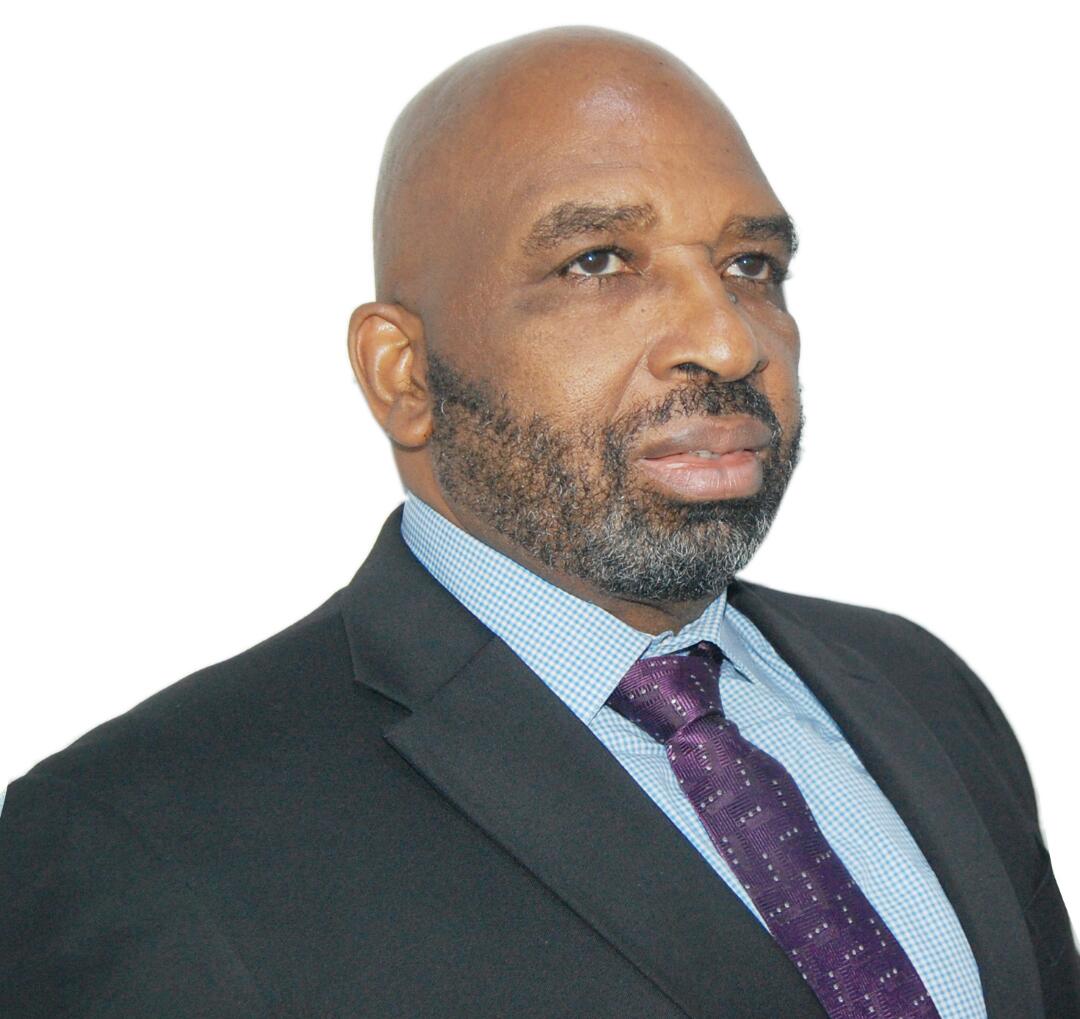
Giving the advice as one of the Lead Discussants at the Opening Session of the just ended 8th Annual MSME Finance Conference and Entrepreneurship Awards held in Abuja, Nwoke noted that the current categorization of MFBs into Unit, State and National based on their level of capitalization was no longer desirable to the current efforts targeted at improving credit access by needy micro, small and medium scale enterprises across the geo-political frontiers of the country.
The Managing Director of HASAL Microfinance Bank Limited, Mr. Rogers Nwoke, has advocated the need for the Central Bank of Nigeria, CBN, to review the guidelines on categorization of microfinance banks (MFBs) in order to fast-track the implementation of the National Financial Inclusion Strategy and enable the MFBs to deliver more efficiently, micro credit products and services at the grassroots
In addition, the HASAL MFB boss also believed that linkage programme between the micro finance institutions and the Deposit Money Banks which will help in understanding what the MFBs and DMBs can do would go a long way in building the synergy needed to ensure the achievements of the key objectives of financial inclusion and micro credit policies in the country.

Managing Director of HASAL MFB,

The seasoned banker pointed out that there were MFBs that had less than the required capitalization for State and National licenses but could offer greater mileage to the financial inclusion drive and improved micro credit support for MSMEs given their innovative approach to banking services delivery, quality human capital base and substantial infrastructure and other operational facilities.
Nwoke, who commended the CBN for its various policies targeted at alleviating poverty and creating jobs at the grassroots, therefore advocated a slightly modified categorization regime that would allow MFBs with adequate operational capacity to go to areas where they could add value and operate within the regulatory context of the financial inclusion strategy and effective monitoring.
He said: “The microfinance policy guideline that was launched is full and encompassing if we can implement it to the letter. I think we will do a lot better. One of the issues we need to address is the linkage programme between what microfinance banks can do and what commercial banks can do. That linkage programme has been lost.
The second thing we need to address in the policy is the issue of geographical restriction. My bank today is almost N1bilion capitalized I have enough liquidity to go to Niger State and bank her people. But the law says I cannot go to Niger State unless I have two billion naira.

“Geographical restriction is not healthy in us moving fast. I will like to go the Niger State tomorrow my bank has liquidity to work with Dr. Ladi but unless I have N2 billion and I become a National Microfinance bank I cannot do that”, Nwoke added.

According to him, the MFBs will not only be key to the agenda of ensuring the successful disbursement of the N220 billion MSMEs Fund but also be catalytic agents in the drive to explore to the fullest the opportunities in the informal sector to boost the country’s economic growth and overall empowerment of millions of Nigerians productively.
Citing his experiences spanning over two decades in the financial services sector, particularly the past few years in grassroots financial products development and services delivery, the HASAL Bank chief advised the regulatory authorities to continue to engage stakeholders in constant discussions with a view to using the ideas gained during such fora to improve micro credit and other financial services delivery in the grassroots.