It is interesting to observe the manner in which the discourse on Africa has shifted recently. After several years of growing optimism, based largely on sustained gross domestic product growth rates, the mood regarding Africa’s prospects seems to have darkened.
So has the “Africa Rising” narrative been exaggerated? The answer depends on one’s perspective.
In the past year, Africa has experienced stronger headwinds than in recent times. Consequently, economic growth this year is likely to be at its lowest in five years, dragged down by the impact of lower oil prices on the Nigerian and Angolan economies, the softening of other commodity prices, as well as SA’s still sluggish growth.
There have also been several factors that have heightened concerns about political risk across the continent: instability in various countries, including the Central African Republic, South Sudan, Burkina Faso and Burundi, as well as terrorist insurgencies in West and East Africa and then, of course, there has been the negative impact of the Ebola crisis, which, although contained to a handful of countries, dominated international headlines on Africa last year.

As a result of this more negative sentiment, EY’s most recent Africa attractiveness survey revealed a slight deterioration in investor sentiment towards Africa as an investment destination this year. There was also a decline in foreign direct investment (FDI) project numbers for a second consecutive year.
There are therefore certainly enough negative headlines for the naysayers to raise questions about the resilience or even validity of the Africa Rising narrative. However, at the same time, there remain a number of positives in Africa. Despite the fact that economic growth forecasts have been revised downward this year (in line with the rest of the global economy), growth across the continent still remains resilient. The average growth in sub-Saharan Africa will be higher than the emerging markets average this year, and the region will in fact still experience the second-highest economic growth rate in the world. Economies such as those of Ethiopia, Kenya, Tanzania, Mozambique and Cote d’Ivoire are among the 17 sub-Saharan African economies that the International Monetary Fund expects to grow at 5% this year, according to their October forecast.
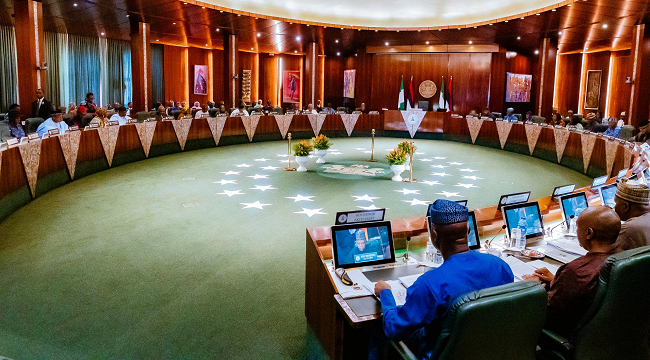
The Nigerian election was an important watershed for the process of democratisation in Africa. Despite pre-election uncertainty, we saw a free and fair election with a peaceful transfer of power — the true test of democracy. Nigeria’s example of democracy at work should serve as an inspiration and confidence booster within and beyond the continent.
Taking one step back from this particular watershed moment, this was only one of seven instances of democratic transfers of power in Africa last year alone — to put this in context, in the entire 30-year period between 1960 and 1990, there was only a single instance of such a democratic transfer of power.
Our data also show that, although the number of FDI projects fell last year, the value of those projects increased significantly, as did the number of jobs created as a result of those investments. In fact, the capital value of FDI was by far the highest we have seen over the past five years, so much so that, as a region, Africa received the second-highest amount of FDI in the world in the last year. We do not know yet whether this is sustainable, but, at the very least, it is cause for celebration.

At the same time, although there has been a marginal overall decline in investor perceptions, those people already doing business in Africa — those who understand the issues on the ground, and the real medium-to long-term risks and opportunities — remain overwhelmingly positive about Africa’s prospects, ranking it as the most attractive investment destination in the world.
This mixed picture is not surprising. It reflects the diversity and complexity of this great continent of ours. There has never been a one-size-fits-all answer. Perspective remains important. Ours has been, and remains, a glass half-full perspective. We remain focused on the positive longer-term growth and development trends, and remain confident that, despite economic headwinds, the Africa Rising narrative remains intact and sustainable.
The opportunity still exists for us to be part of an African future that would have been virtually unimaginable a generation ago. However, this future will not take care of itself. Our view is that Africa and its leaders are poised at an inflection point. The next few years are going to be tough and some deliberate and urgent choices are required to raise levels of productivity and competitiveness, accelerate structural transformation and make the shift toward an inclusive, sustainable growth path.
This will require active participation and commitment from multiple stakeholders. As a large global multi-national company strongly committed to Africa, EY is particularly focused on the role and responsibility of business in helping to realise the possibilities for inclusive, sustainable growth on the continent.
Besides investing in our own growth in Africa, part of our commitment has been to leverage our brand and global reach to promote the African investment agenda. With our flagship Africa attractiveness survey, we have been among those at the forefront of articulating the African growth narrative. Since 2012, we have also convened the Strategic Growth Forum Africa, a platform for dialogue and collaboration among business and government leaders.
Its focus is exclusively on Africa: on the strategic growth opportunities that the continent offers and the challenges that need to be addressed to realise those opportunities.
This year, the fourth edition of the EY Strategic Growth Forum Africa will be hosted at the Sandton Convention Centre on November 3 and 4. The previous three events focused both on a fuller articulation of the African “growth story” — moving beyond the headlines — as well as key challenges that companies have faced as they execute their growth strategies in Africa. This year the focus will shift towards the future of Africa: what will it take to achieve the success story of inclusive, sustainable growth and what are the responsibilities of leaders in private, public and social sectors in realising Africa’s possibilities?
What remains clear to us in convening this platform for dialogue and action is that, despite the headwinds over the next few years, we Africans are still presented with a wonderful opportunity to make a genuine difference in our working lives. This is the time and place for Africa’s future. It is our generation of leaders that can make it happen.
AJEN SITA