The Africa Foundation for Ectodermal Dysplasia (AFED) holds first ever summit in Lagos to foster ways in educating the public on the genetic condition called Ectodermal Dysplasia, October 5, the group has announced.
The summit became necessary as the world over, especially those in the Africa spectrum, needed to sit down and have a conversation about this rare genetic condition.

Ectodermal dysplasia is characterised by a reduced ability to sweat, missing teeth, cleft lips, large forehead and learning disabilities. It is also characterised by the imminent challenges for people living with the condition in the continent.
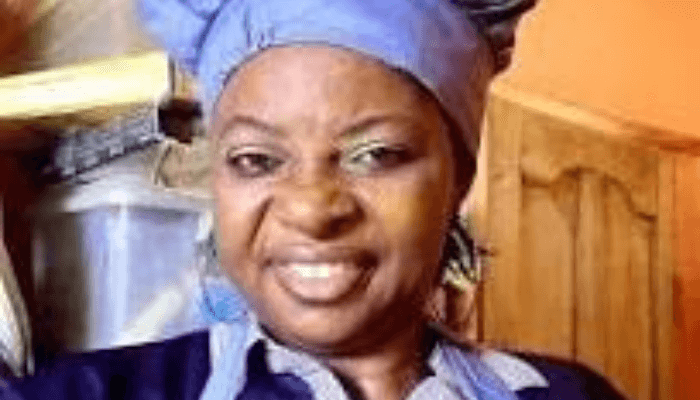
Idara Udoh, founder/president, AFED, said the aim of the advocacy is to seek and connect with Ectodermal Dysplasia families in Nigeria and Africa who want to meet others, discuss issues and educate them about the recent researches and developments.
Read also: HealthPlus pharmacy offers free health screening on World heart day 2019
According to her, by doing this, both parents and general public would gain adequate knowledge in relating with people living with ectodermal dysplasia.
“We can leverage on it to suit our African clime which is tropical in nature, and people living with the condition suffer most in the dry seasons,” she said.

Udoh told newsmen in Lagos that stigmatisation from communities, schools, friends and relatives remains key factor that daily confronts both the people living with the disorder and their parents.
“This is one of the factors the summit tends to address,” she said.
Tagged “Meet and Greet,” the summit is aimed at meeting families of those living with the condition, volunteers and advocates for the first time and chart a way forward for the foundation.
According to Udoh, the group was poised to educate, sensitize and officially create zones where people can operate from their home states and countries talking about Ectoderma Dysplasia until it become a topic worthy of a national debate.
“It is our hope that the disorder becomes national discourse and the affected people are nationally recognised, just as we have achieved in the area of HIV/AIDS,” Udoh said enthusiastically.
Scientifically, Ectodermal Dysplasias are genetic disorders, which mean that they can be passed on from affected people to their children. They are caused by mutations in various genes; the mutations may be inherited from a parent, or normal genes may become mutated at the time of egg or sperm formation, or after fertilization.
Globally, it is estimated that Ectodermal Dysplasia occurs at 7 cases per 10,000