Following the outcry of Enugu citizens over alleged high taxation by the state government in all sectors in the state, the state governments decided to setup a 9-man committee to carry out a comprehensive review of tax policies, rates, levies, and fees under the control of the state.
The committee was asked to benchmark Enugu State’s revenue practices against Lagos, Abuja, and other South East states as they relate to Land Use Charge, Certificate of Occupancy (C-of-O) fees, market levies and stall rents, business premises registration, signage and advertisement fees, among others, and recommend reforms to improve compliance, fairness, transparency, and revenue efficiency and was given two weeks to carry out the assignment.
The 9-man committee, has the Solicitor-General of Enugu State, Ikechukwu Ezenwukwa, as the chairman, and the Senior Special Assistant to the Governor on Revenue Mobilisation, Adenike Okebu as member, while others were drawn from interest groups, government, organised labour, and the civil society.
They include the Chairman, Trade Union Congress, Enugu State chapter, Ben Asogwa; Chairman of State Market Association, Chinwuba Igwesi; Head of Legal, Enugu State Inland Revenue Service, Ngozi Ezema; Senior Special Assistant to the Governor on Markets, Chinedu Mbah; 1st Deputy President, Enugu Chamber of Commerce, Industry, Mines and Agriculture, ECCIMA, Nnanyelugo Onyemelukwe; Deputy Council Chairman and representative of the Association of Local Governments of Nigeria, ALGON, Enugu State, Paul Okwo; and representative of the civil society, Crownwell Chibuzo.

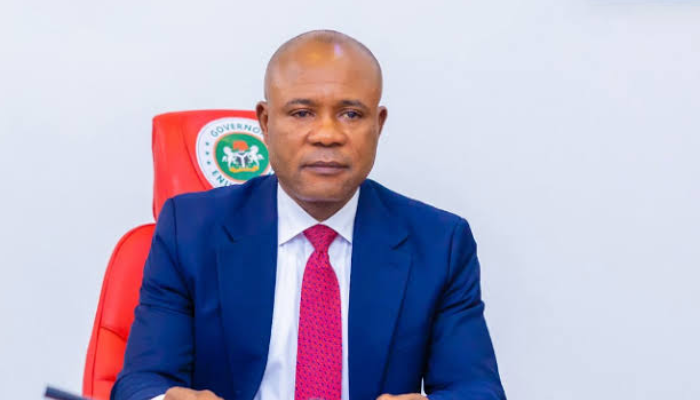
Governor Mbàh, represented by the Secretary to the State Government, Chidiebere Onyia while inaugurating the committee at the Government House, Enugu, on Friday, said that the committee was initiated in response to various public complaints relating to taxes and state-controlled revenue heads.
He added that the committee’s terms of reference include to: “review existing harmonisation/consolidation laws and other revenue-related laws in Enugu State; review the implementation of such laws and their impact; identify and evaluate all revenue heads under the control of Enugu State (excluding federally administered taxes like VAT and Stamp Duties); identify all areas of duplication and multiple taxation across the state, including the local government; examine the impact of the expansion of the tax bracket and issues of a culture of non-tax payment; and assess the fairness, transparency, and efficiency of current tax rates and collection processes in Enugu.”
He directed the committee to ensure proper stakeholder engagement by conducting surveys and interviews with property owners, market traders, local government revenue officers, local government chairmen, civil society organisations, and business owners, among others.
Read also: Mbah targets $30bn economy for Enugu as UK join ties
Providing more insights into the state’s revenue mobilisation reforms, the governor said: “His administration, upon assumption of office, took determined steps to move revenue collection from a fragmented silos model to a unified, data-driven, and performance-oriented revenue ecosystem.

“One of the most decisive reforms we undertook was the complete stoppage of cash collection across all MDAs. This was not merely a procedural change. It was a philosophical shift toward transparency and traceability.
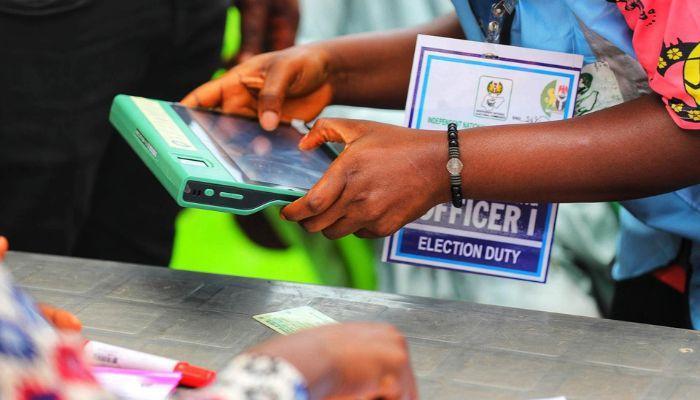
“Today in Enugu State, all payments are now routed through digital platforms, ensuring real-time monitoring and eliminating leakages. This move has drastically reduced opportunities for fraud and enhanced public confidence in our systems.
“To drive accountability, we introduced a Performance Appraisal Framework for all Ministries, Departments, and Agencies, as each Ministry, Department and Agency, MDA, is now assigned clear revenue targets linked to their operational mandates.”
Mbah also explained that the government had built the faith of the people by ensuring that every revenue collected was deployed to their service.
“Revenue is not just a fiscal tool. It is a moral obligation. Every naira we collect must translate into better schools, safer roads, cleaner water, and a brighter future because our vision for Enugu State is bold and transformative, rooted in the unwavering principles of transparency, traceability, and accountability,” he concluded.
In his remarks, chairman of the committee, Ezenwukwa said that the setting up of the committee further underscored the governor’s place as a listening leader, who cared about the concerns of the people.
He thanked the governor for finding them worthy of undertaking the task, assuring that committee would justify the confidence reposed in them.