As Nigeria turns the page on 2025, the convergence of global technological shifts, domestic structural reforms, and evolving consumer behaviour is crystallising a distinctive economic architecture for 2026. For indigenous brands and micro, small and medium enterprises (MSMEs), especially those rooted in production and value-chain innovation, these dynamics signal not only market opportunity, but a clarion call for adaptive, data-driven strategy.
- 1. Digital Economy Approaches $20 billion
- 2. AI Matures from Vision to Value
- 3. Hybrid Computing and Supercharged Infrastructure
- 4. Gig and Freelance Economy Gains Ground
- 5. Nigeria’s Macro Outlook Brightens
- 6. Big Industrial Projects Signal Regional Development
- 7. AfCFTA and Domestic Manufacturing Revival
- 8. Sustainability and ESG Move from Optional to Mandatory
- 9. Data as a Strategic Asset
- 10. Consumer Experience Transforms Shopping Journeys
- Strategic Implications for Go Local
- Build for Scale, Not Just Survival
Here we outline 10 mega trends that should shape how Nigerian enterprises think about growth, competitiveness, and sustained value creation in 2026.
1. Digital Economy Approaches $20 billion
Nigeria’s digital economy is projected to grow to $18.3 billion in revenue by 2026, a sharp expansion from roughly $10 billion in 2021. This surge is driven by fintech, digital payments, telecoms and startup investment, supported by mobile-first adoption and broad internet penetration.
Market Intelligence: For Go Local brands, this trend elevates digital commerce from an operational channel to a core growth driver, particularly for fashion, beauty, and consumer goods that can scale beyond domestic demand.

2. AI Matures from Vision to Value
Across global enterprise landscapes, 2026 is expected to mark the shift from artificial intelligence (AI) experimentation to accountable, outcome-oriented deployment, where AI earns its place in analytics, decision-making and automation beyond pilot projects.
Market Intelligence: Local manufacturers and service providers that integrate AI into supply chain, customer insight and pricing analytics will gain competitive advantage in efficiency and responsiveness.
3. Hybrid Computing and Supercharged Infrastructure
Strategic technology trends for 2026 include AI supercomputing platforms and hybrid cloud architectures, enabling organisations to orchestrate complex workloads efficiently.
Market Intelligence: Nigerian tech ecosystems and enterprise adopters must prioritise scalable infrastructure to stay competitive. Cloud and hybrid environments will underpin rapid digital innovation.
4. Gig and Freelance Economy Gains Ground
Nigerian gig workers now number in the millions, contributing nearly $5 billion annually to the economy via platform work in rideshare, delivery, and digital freelancing. This reflects a sustained shift from informal side hustles to mainstream income sources.

Market Intelligence: Gig ecosystems represent latent demand for supportive service platforms, micro-finance products and talent marketplaces that can formalise and monetise this workforce.
5. Nigeria’s Macro Outlook Brightens
The Central Bank projects 4.49 % economic growth in 2026 with inflation easing toward 13 %, buoyed by stronger non-oil growth, stabilised FX markets and oil production reforms.
Market Intelligence: This provides macro confidence for domestic investment, consumer demand expansion and cross-sector growth, especially in retail, real estate, tech and manufacturing.
6. Big Industrial Projects Signal Regional Development
Completion of strategic infrastructure such as the $2.8 billion AKK gas pipeline is poised to unlock industrial growth in northern Nigeria, with implications for power generation, fertilizer plants and regional manufacturing expansion.
Market Intelligence: Local value chains that can serve burgeoning industrial clusters, steel, agro-processing, logistics, are well-positioned to benefit from this structural shift.
7. AfCFTA and Domestic Manufacturing Revival
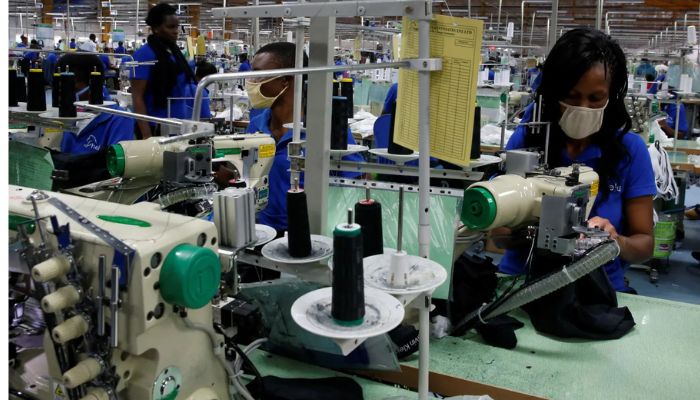
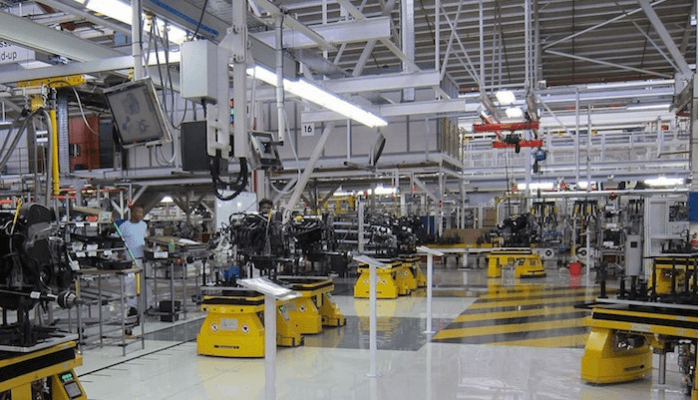
Regional integration under the African Continental Free Trade Area (AfCFTA) is incentivising domestic production and intra-African exports. Increasing industrial clustering in manufacturing hubs signals a return to value addition and export readiness.
Market Intelligence: Brands that align with regional supply chains, especially in consumer goods and agro-processed products, can expand beyond Nigeria’s borders, leveraging tariff advantages and production scale.
8. Sustainability and ESG Move from Optional to Mandatory
Environmental, Social and Governance (ESG) expectations and sustainability compliance are evolving from voluntary practices to regulated corporate requirements, with predictive analytics and AI shaping reporting and performance tracking.
Market Intelligence: Go Local enterprises should embed sustainability into their value propositions, not just for compliance but to unlock institutional capital and global market credibility.
9. Data as a Strategic Asset
Global megatrends emphasise data’s role as a core competitive asset, where companies that effectively aggregate and monetise proprietary data gain structural advantage.
Market Intelligence: For Nigerian SMEs and startups, building data capabilities will be essential. Whether in retail analytics, customer segmentation or supply chain optimisation, data competencies will underpin scalable growth.
10. Consumer Experience Transforms Shopping Journeys
Short-form video and creator-led commerce are reshaping pathways to purchase worldwide, with social commerce projected to grow into a multi-trillion-dollar ecosystem by the early 2030s.
Market Intelligence: Local brands must integrate social commerce strategies, leveraging content, influencers and immersive engagement—as consumers increasingly learn, compare and transact through video-first platforms.
Strategic Implications for Go Local
Taken together, these trends define a multidimensional environment for 2026, one in which Nigerian enterprises are not merely responding to change, but actively shaping new market architectures. The intersection of digital transformation, AI-driven operations, macroeconomic stability, regional trade integration, and evolving consumer behaviour suggests a pivotal year for market formation.
For Go Local brands and policymakers alike, the opportunities are clear:
- Digital transformation is non-negotiable: Enterprises must adopt data and AI to compete across digital marketplaces.
- Institutional readiness matters: Regulatory clarity and infrastructure investment will unlock broader participation.
- Export and regional strategy is a must: Alignment with AfCFTA protocols will expand market footprints.
- Sustainability enhances investment appeal: ESG integration attracts institutional capital and global partners.
Build for Scale, Not Just Survival
The narrative for 2026 is not incremental growth; it is strategic transformation. The macroeconomic and technological vectors converging this year point to an inflection point in how markets are structured. For Nigerian brands rooted in local production and positioned for export and scale, being “Go Local” in 2026 will mean being data-informed, digitally native, regionally connected and sustainability-aligned.
In essence, this year will distinguish yesterday’s resilience from tomorrow’s competitiveness, especially for enterprises that grasp these mega trends as market intelligence, not buzzwords.