Oxford Economics ranks the world’s leading cities based on economy, governance and quality of life. New York has retained its top position in the 2025 Global Cities Index published by Oxford Economics. The index ranks the 1,000 most populous cities in the world using 27 indicators across five key categories: economics, human capital, quality of life, environment and governance.
Read also: Lagos among world’s best cities in 2025, only three African cities make the cut
This year, New York scored a perfect 100, placing first overall. The city ranked highest in the economics category, driven by a large GDP, high income per capita and a concentration of corporate headquarters. However, it ranked lower in the environment and governance categories, coming in at 168th and 161st, respectively. The report noted high housing costs, limited economic diversity and income inequality as major concerns.
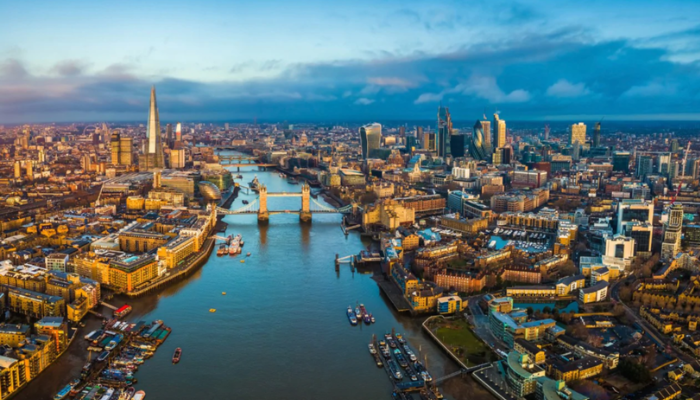
London followed in second place with an overall score of 98.5. Like New York, it was noted for its strong economic performance and human capital. The city was recognised for its large number of universities and lower emissions intensity. Still, it shared some of New York’s weaknesses, particularly in housing affordability and governance.

Read also: The 10 best global cities for networking
Paris took third place with a score of 94.4. The French capital performed well in human capital and quality of life, supported by access to education, health care and cultural facilities.
The rest of the top five included San Jose and Seattle, both located in the United States. In total, eight American cities made it into the top 20, reflecting the country’s continued dominance in economic indicators.
Australian cities Melbourne and Sydney ranked sixth and seventh, respectively, while Tokyo, San Francisco and Los Angeles also featured in the top ten. Dublin, Stockholm, Seoul, Zurich, Oslo and Copenhagen represented strong performances from Europe and Asia.
Read also: Top 5 most dynamic cities in the world

Oxford Economics’ index goes beyond lifestyle to assess the deeper structures that shape cities. It evaluates long-term sustainability and global competitiveness, not just tourism appeal.
The rankings aim to support governments, businesses and researchers in planning and investment decisions. The methodology is designed to capture the strengths and weaknesses of each city, allowing for comparisons that go beyond surface-level features.
The full report is available on the Oxford Economics website, providing detailed insights into how cities perform and where improvements are needed.