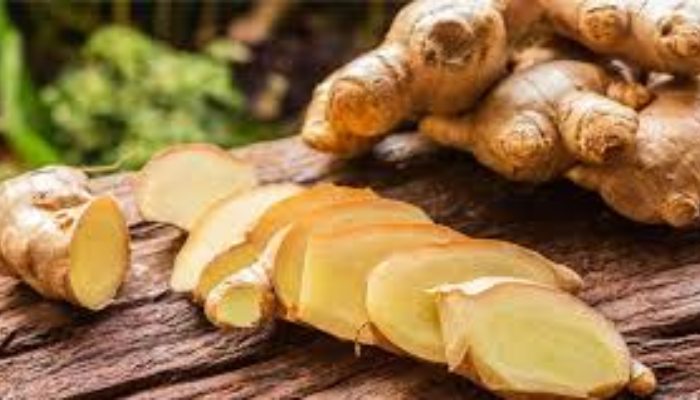
In the spice market in Kawo, Kaduna, Aisha Musa leans over a sack of pale rhizomes, rolling one between her fingers. She cuts it open, inhales, and shakes her head.
“This one is from China,” she says quietly. “It looks like ginger. It’s not our ginger.”
For two decades, Aisha’s family farmed the red earth of southern Kaduna, producing a ginger so sharp, so fragrant, that buyers from Lagos to London prized it for its heat and deep citrus notes. In 2022, her husband could fill three lorries in a season. By late 2023, their fields lay bare.
A fungal disease, Proxipyricularia zingiberis, swept through Kaduna, Plateau, and Nasarawa, wiping out as much as 95 per cent of Nigeria’s ginger harvest. The collapse was brutal: exports fell by 74 per cent, prices shot from ₦50,000 to ₦800,000 per bag, and even seed ginger became too expensive for most farmers to replant. In village after village, debts mounted. A few farmers left for city labour; others switched to maize or soybeans. Some never recovered.

“This isn’t just about income,” says Musa’s neighbour, farmer-leader Ibrahim Sabo. “We lost the taste of our land. The world knows Nigerian ginger for its strength. Now, they don’t even ask for us in the market.”
From World Leader to Import Dependent
Not long ago, Nigeria was the world’s second-largest producer of ginger – a top exporter to Europe, the Middle East, and North America. Kaduna alone supplied over 70 per cent of the crop.
Its secret was more than quantity; Nigerian ginger had the highest oleoresin content on the market, the essence that gives ginger its pungent bite and aromatic complexity.
Today, in a cruel twist, Nigerian traders import Chinese ginger to fill local demand – a product that, while abundant, is milder and flatter in profile. Ethiopia has stepped in to claim Nigeria’s lost export share, and global buyers are rewriting supply contracts.

“This is a national food security story,” says John Dale, agritech trade expert and co-founder of StorGit, a firm that digitises African supply chains for export markets. “Ginger is the case study, but the problem is structural, no early warnings, no safety nets, no clean-seed systems. We have no resilience built into the system.”
What Went Wrong
Experts point to a combination of biological and institutional vulnerabilities:
Monoculture fragility: A narrow genetic base left fields susceptible to disease.
Weak seed systems: Most farmers saved planting material from previous harvests, a perfect pathway for disease spread.
Poor surveillance: The fungus spread undetected until it was everywhere.
No market buffers: Without insurance, credit, or public relief, farmers bore the entire shock.
The result was more than a failed season; it was the near-collapse of an export industry and the erosion of rural livelihoods in ginger-growing belts.
How Others Have Bounced Back
The story is not without precedent, or hope. In East Africa, cassava farmers once faced a similar crisis from viral disease. The turnaround came through a coordinated campaign: certified clean-seed networks, rapid diagnostics, community training in phytosanitation, and financing to keep farmers in business while replanting.
In Asia, banana growers facing the deadly TR4 wilt introduced resistant varieties and strict field hygiene, containing the disease while safeguarding premium fruit markets.
“These are playbooks we can adapt to ginger,” says a plant pathologist at the National Root Crops Research Institute. “The science is here. What we need is political will and market coordination.”
The Fix — And the Market Opportunity
A proposed rescue plan for Nigerian ginger starts with:
Emergency containment: Field surveillance, lab confirmation, and movement controls for planting material.
Clean-seed production: Tissue culture labs and certified seed entrepreneurs to multiply disease-free, high-quality ginger.
Farmer support: Subsidised seed, credit, and insurance to bring farmers back into production.
Market rehabilitation: Origin branding, quality certification, and digital traceability, letting buyers verify that Nigerian ginger is both genuine and premium.
For international buyers, this crisis is a pause, not a death knell. If Nigeria moves fast, the recovery can come with an even stronger proposition: a guaranteed source of the world’s most pungent, aromatic ginger, traceable from farm to container.
Back to the Source
Aisha Musa has not given up. In a small corner of her land, she is experimenting with clean planting material provided by a pilot project.
“It will take years,” she says, pressing a fresh rhizome to her nose. “But if we can get our real ginger back, the world will come back to us.”
For Nigeria, saving ginger is about more than spice. It’s about protecting a piece of its agricultural identity, restoring its standing in global markets, and ensuring that rural families like Aisha’s can keep farming the land that has always fed both body and pride.