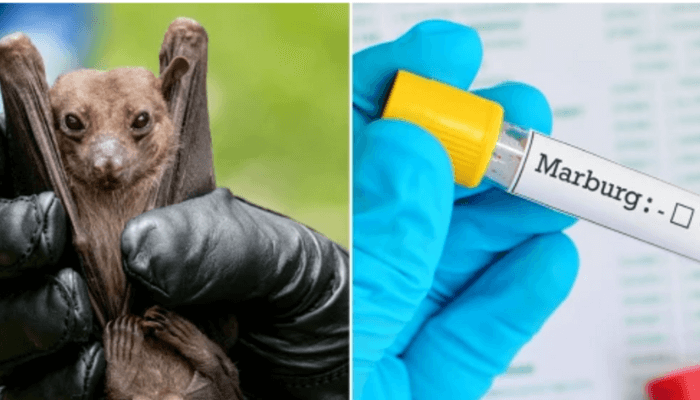
Ghana on Friday declared the end of the Marburg virus disease outbreak. The country’s Ministry of Health made this declaration after no new cases were reported over the past 42 days, or two incubation periods—the time between infection and the onset of symptoms.
So far, the country has only reported a total of three confirmed cases, including two deaths, in the outbreak declared on July 7, 2022. This followed laboratory confirmation of the virus that affected the country’s Ashanti, Savannah, and Western regions. As a result, the government was able to identify 198 contacts, which were monitored and completed their recommended initial 21-day observation period. Isolation was then extended for another 21 days out of an abundance of caution by the Ghanaian health authorities.
Read also: What to know about Marburg virus disease
The ministry of health not only stopped with the initial measures but followed closely with support from the World Health Organization (WHO) and other health partners, swiftly rolling out outbreak control measures. step up disease surveillance, testing, contact tracing, and clinical care as well as raising public awareness and working with communities to support disease prevention efforts.

An investigation revealed that Marburg is a highly infectious disease in the same family as Ebola and has a high fatality rate of between 24 percent and 88 percent.
“Marburg is a frightening disease as it is highly infectious and lethal. There are no vaccines or antiviral treatments. Any outbreak of Marburg is a major concern,” said Dr Matshidiso Moeti, WHO Regional Director for Africa. Despite having no previous experience with the disease, Ghana’s response has been rapid and robust. Lives have been saved and people’s health protected thanks to an effective disease detection system that helped to quickly identify the virus and enabled prompt response to curb the spread of infection. ”
The Marburg outbreak in Ghana was the second of its kind in West Africa. Guinea reported a single case in an outbreak that was declared over in September 2021. In Africa, previous outbreaks and sporadic cases have been reported in Angola, the Democratic Republic of the Congo, Kenya, South Africa, and Uganda.