Genesis Energy Group reaffirmed its commitment to Nigeria’s clean-energy transition as executives highlighted the role of policy reforms, private capital and localised power markets in accelerating the country’s electricity transformation.
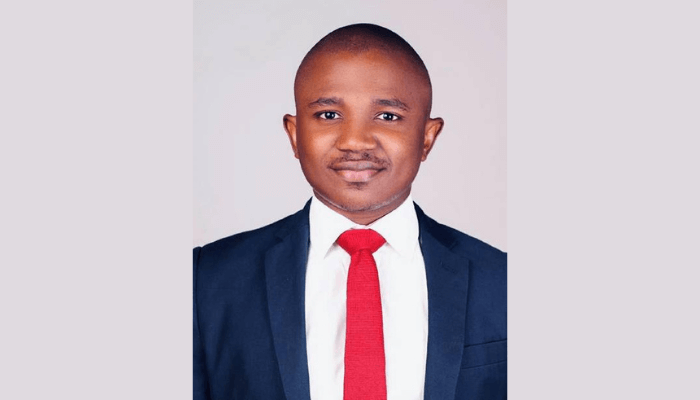
Speaking at the 2025 Nigeria Energy Leadership Summit in Lagos, where the company was the headline sponsor, Akinwole Omoboriowo, chairman and chief executive officer, said Nigeria is entering a new phase of sector development driven by the Electricity Act 2023 and growing interest from state governments seeking bespoke power solutions.
“For decades, Nigeria’s power sector has been characterised by immense potential but persistent challenges,” Omoboriowo said in a keynote address titled Reimagining Investment in the Nigerian Electricity Supply Industry. “With the introduction of the Electricity Act 2023, we now have a clear and enduring framework that defines how the sector will grow and operate.”
Read also: Inside Genesis Energy’s gas playbook powering Africa’s industrial future

The law, which decentralises electricity regulation, gives states the authority to establish their own electricity markets and formally recognises off-grid and mini-grid projects as bankable assets, changes Omoboriowo said are restoring investor confidence and enabling “NESI 2.0,” a more competitive and innovation-driven power landscape.
Genesis Energy, a pan-African clean-energy infrastructure developer and asset manager, is among the companies positioning to expand under the new rules. Omoboriowo said policy clarity is already unlocking large-scale collaboration between states and private investors.
He pointed to the company’s $500 million memorandum of understanding with the Katsina State Government to deploy solar photovoltaic and battery-storage systems across the state. The first phase has delivered uninterrupted power to the Katsina State General Hospital and hybridised electricity supply to the Government Complex.
“This initiative has already generated measurable outcomes, including an annual cost saving of over ₦3 billion and significant improvements in service reliability,” Omoboriowo said. “These are not isolated interventions but signals of a maturing market—one where private capital and public policy are working in true alignment to power Nigeria’s growth.”
Read also: How Genesis Energy sparked a quiet boom in clean power

Adebayo Adelabu, Nigeria’s Minister of Power, echoed the call for deeper private-sector participation, saying the federal government alone cannot mobilise the investment required to stabilise the national grid, expand access and meet rising electricity demand.
“We need private infusion, both local and foreign,” Adelabu said. “States now have the autonomy to develop their own power projects, including small hydro, solar, wind or other generation options, and with partnerships such as those with Genesis Energy, we can mobilise the expertise and technology to make these projects successful.”
The summit, organised by Informa Markets under the patronage of the Ministry of Power, convened policymakers, financiers, regulators and energy providers to examine how investment, innovation and partnership can improve supply reliability and accelerate clean-energy integration. Discussions focused on strategies to boost electricity access and build a secure, diversified energy mix by 2030.
Genesis Energy said it will continue expanding its Nigerian portfolio, targeting projects that demonstrate the commercial viability of decentralised energy solutions and support state-level economic growth.