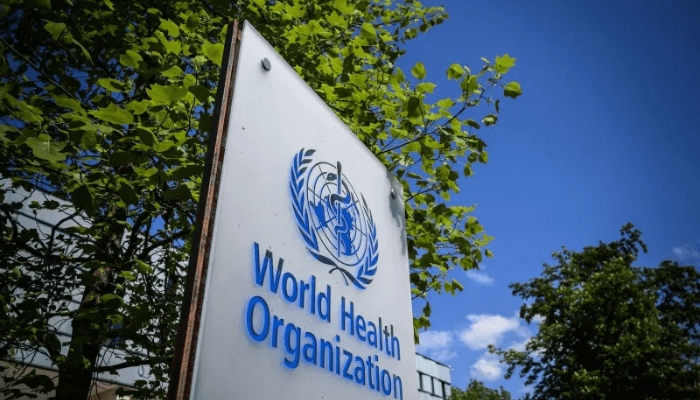
The World Health Organisation (WHO) has issued fresh warnings that funding cuts earlier this year are jeopardizing global health progress, with maternal and child care among the most at risk.
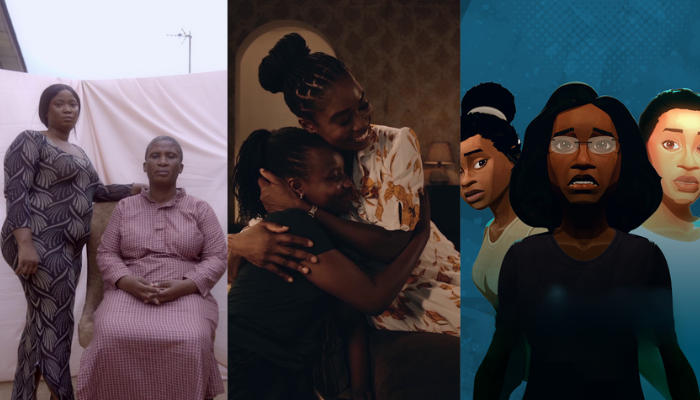
In a post shared on its official X (formerly Twitter) account on May 8, 2025, WHO called for urgent financial support to sustain the “One World” movement and protect critical health interventions worldwide.
Felicity Nneoma, a public health practitioner, also expressed concern about the broader impact of declining international support.
“Since the Trump cease order on USAID funding, I’ve witnessed the damaging ripple effects across the development sector—particularly in reproductive health and family planning,” Nneoma stated.

“We must reduce our reliance on donors and invest in innovative health financing solutions, she added.”
Read also: Disease outbreaks: WHO deploys health emergency response vehicles to six Nigerian states
Chioma Nwakanma, founder of the non-governmental organisation SmileWithMe, emphasised the critical condition of maternal healthcare in Nigeria.
“In Nigeria, 225 women die every day from pregnancy-related complications,” Nwakanma said. “We account for 20 percent of global maternal mortality. There is an urgent need to support maternal healthcare initiatives,” she added.
This crisis comes after U.S. withdrawal from WHO as announced by Donald Trump in January 2025, setting in motion a one-year timeline to make the exit official.

The decision casts a long shadow over WHO’s future resources. According to Reuters, the U.S. was the agency’s largest financial backer in 2022–2023, contributing $1.284 billion—far exceeding other countries. It currently accounts for about 18 percent of WHO’s total funding, forming a crucial pillar of its global health operations.
WHO’s latest bulletin warns that dwindling support is already disrupting tuberculosis (TB) services globally.
“Any disruption to TB services—be it financial, political, or operational—can have devastating, often fatal consequences for millions around the world,” said Dr. Tereza Kasaeva, Director of WHO’s Global Programme on TB and Lung Health.
“The COVID-19 pandemic made this painfully clear, with interruptions in care contributing to over 700,000 excess TB deaths between 2020 and 2023, exacerbated by weak social protection systems,” she noted.
“Without urgent intervention, the progress we’ve fought so hard for is in jeopardy. Our response must be immediate, strategic, and fully funded to protect the most vulnerable and stay on track to end TB,” Kasaeva emphasized.
Impact on Nigeria
In a recent interview with BusinessDay, health expert Adaobi Onyechi warned that declining WHO funding strains Nigeria’s already stretched health budget and worsen disease burdens in areas where the organization provides critical support.
The WHO currently delivers a wide range of health interventions in Nigeria, including disease control, outbreak prevention, mental health services, and strengthening of health systems and workforce capacity.
However, Onyechi noted that the funding shortfall also offers a strategic opportunity for Nigeria to increase domestic health financing and diversify revenue sources—steps that could enhance health outcomes and contribute to broader economic growth.
Amid ongoing disease outbreaks, a strained health budget, and economic challenges, experts warn that the U.S. withdrawal from WHO hinder Nigeria’s access to vital international funding, partnerships, and technical support for its health programs.