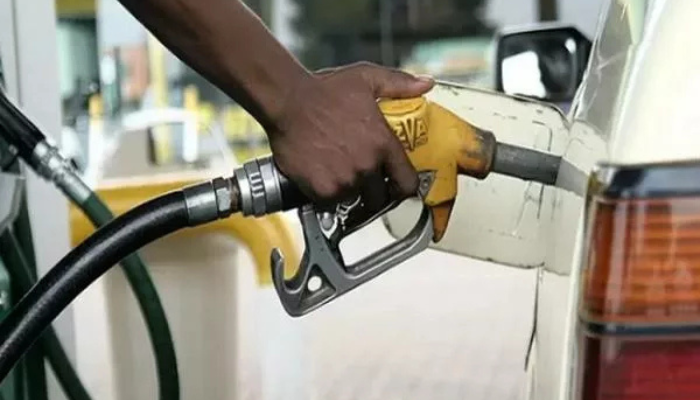
Amidst the flurry of new tax laws and economic policies in Nigeria, the re-emergence of the 5 percent fuel surcharge has ignited a fierce debate, leaving many Nigerians questioning its timing, purpose, and potential impact on their already strained finances. While the term “new tax” has been bandied about, the reality is more nuanced. This surcharge is not a recent invention but rather a provision that has existed since 2007 under the Federal Roads Maintenance Agency (FERMA) Act. The current tax laws merely reaffirm their existence, adding clarity to their application. Transitioning from the FERMA Act, the fuel surcharge has been incorporated into Nigeria’s new tax laws, a set of regulations intended to establish a progressive and comprehensive legal framework for the nation’s future.
The question on everyone’s mind is, what exactly is this surcharge, and how will it affect the average Nigerian? In essence, the 5 percent fuel surcharge is a levy added to the price of petrol and diesel, with the express purpose of generating funds for road repairs and maintenance. This model is not unique to Nigeria; many countries employ similar surcharges or levies to ensure a consistent stream of funding for road infrastructure, aiming to keep their road networks in good condition.
However, several critical points must be considered before Nigerians resign themselves to paying extra at the pump. Firstly, the law dictates that the surcharge’s implementation is not automatic. It can only take effect upon the issuance of a formal order by the Minister of Finance, leaving room for flexibility based on economic conditions and public sentiment. Secondly, the law explicitly exempts kerosene, cooking gas (LPG), compressed natural gas (CNG), and clean energy products from the surcharge, thereby mitigating its impact on lower-income households and promoting the use of cleaner energy alternatives.
Read also: 5% fuel surcharge: Myths, facts, and how it helps our transport infrastructure

The core objective of the fuel surcharge – to secure funding for road maintenance – is undoubtedly a laudable one. Nigeria’s road infrastructure has long suffered from neglect and underfunding, resulting in dilapidated roads that hinder economic activity, increase transportation costs, and endanger lives. A dedicated revenue stream for road repairs could potentially alleviate these problems, leading to improved connectivity, reduced travel times, and safer roads.
Yet, the timing of this revived surcharge has raised eyebrows, particularly given the existing economic pressures faced by Nigerian households. Inflation remains a persistent concern, eroding purchasing power and making it increasingly difficult for families to make ends meet. Adding a 5 percent surcharge to fuel, a commodity that affects almost every aspect of daily life, could exacerbate these pressures, further squeezing household budgets and potentially triggering social unrest.
Even if the timing were deemed appropriate, the fundamental question of accountability remains. Nigerians have grown weary of government promises that are never fulfilled, and scepticism surrounds the assurance that the surcharge revenue will indeed be used for road repairs and not diverted into other, less transparent, ventures. To gain public trust, the government must implement robust mechanisms to ensure transparency and accountability in the management of these funds, perhaps through independent oversight committees or publicly accessible online dashboards.
Beyond the immediate economic impact and accountability concerns, the broader strategic question of whether a fuel surcharge is the most effective way to fund road maintenance merits further exploration. Tolls, for instance, directly charge road users for the upkeep of specific routes, creating a clearer link between payment and benefit. Public-Private Partnerships (PPPs) offer another alternative, leveraging private sector expertise and capital to develop and maintain road infrastructure. Earmarking other existing revenue streams, such as a portion of the Value Added Tax (VAT), could also provide a reliable and dedicated source of funding without imposing an additional burden on consumers.
Ultimately, the debate surrounding the 5 percent fuel surcharge is not simply about whether the legal provision exists, but rather whether it should remain on the books, and if so, under what conditions it should be implemented. Should its implementation be delayed until conditions are more favourable? Or should alternative funding mechanisms be explored to address Nigeria’s road infrastructure deficit?

These questions require careful thought. The future of Nigeria’s roads and citizens’ finances hinges on the answers.
Adeniyi Bamgboye is an advisor on accounting, audit, tax and business. He holds an MBA in financial management and is a fellow of Association of Certified Chartered Accountant (ACCA-UK), Institute of Chartered Accountants of Nigeria (ICAN) and the Chartered Institute of Taxation of Nigeria (CITN).