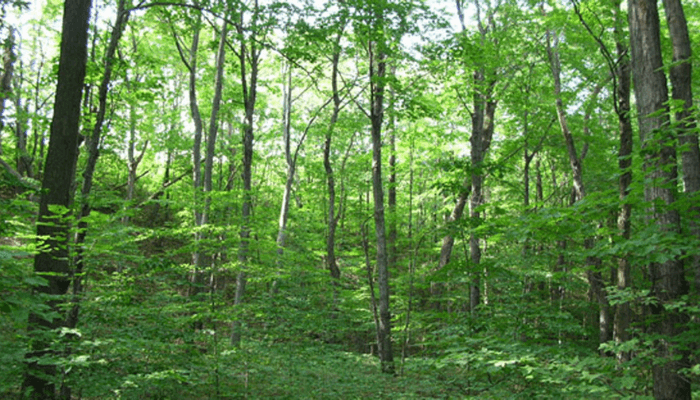
Forests are more than wood. They are the next frontier for innovation, from bioplastics to digital carbon tracking
For decades, Nigeria viewed forests almost exclusively through the narrow lens of timber extraction. Communities across Edo, Cross River, Ogun and Ondo depended on logging, fuelwood, charcoal and plywood for income. Policymakers focused on regulation and revenue, and industry players built value chains around sawmills and export markets. Forests were resources to be harvested, not platforms for innovation.
But the world is changing. Leading economies now see forests as climate infrastructure, biodiversity reservoirs and foundations for green industrialisation. Value is created not by depletion but by regeneration, digitalisation and innovation. Nigeria is home to more than 10 million hectares of forest and woodland ecosystems, many degraded but highly restorable. Nigeria sits on a strategic asset that can power economic diversification, job creation and technological advancement. The forest economy is expanding from timber to tech.
1. Beyond wood: The rise of bio-innovation
Globally, forest products are being reimagined. Bioplastics from cellulose and lignin are emerging as alternatives to fossil-based plastics. Bamboo, kenaf and agricultural fibre are now engineered into composites used in construction, packaging and automotive manufacturing. Bio-foams, bio-adhesives and plant-based resins are gaining ground as industries transition to low-carbon materials.

Nigeria is well-positioned to participate. Our bamboo belt spans more than 20 states, yet remains largely underutilised. Forest biomass, which ranges from cassava peels to palm fronds, is a feedstock for green manufacturing. Local entrepreneurs are already exploring bamboo-based straws, biodegradable packaging and eco-friendly décor, but these early innovations could scale into full-fledged industries.
A future where Nigerian universities collaborate with manufacturers to produce domestically sourced bioplastics, or where eco-industrial parks in Ondo and Cross River process forest biomass into export-ready composites, is within reach. This is how Nigeria can carve its place in the global green economy.
2. Digital carbon tracking: Forests as data infrastructure
As the world accelerates toward net-zero commitments, the next phase of digitalisation is happening in nature. Satellite imagery, drones, machine learning and IoT sensors now track forest health, measure carbon stock, detect illegal logging and quantify climate benefits with high accuracy.
For Nigeria, this presents an opportunity to strengthen credibility in global carbon markets. Without transparent digital monitoring, forest carbon projects struggle to attract climate finance or investor confidence.
States like Edo, Cross River and Taraba could adopt digital MRV (Monitoring, Reporting and Verification) systems to track reforestation and conservation efforts. Countries like Brazil, Kenya and Indonesia already use remote sensing and blockchain-backed verification to attract premium climate finance. Nigeria can replicate and adapt these models.

This approach transforms forests into data assets, supporting a new digital carbon economy while enabling policymakers to make evidence-based decisions.
3. Modern reforestation: Jobs, community wealth and enterprise growth
Reforestation is evolving from an environmental gesture to an economic strategy. Modern restoration integrates nurseries, seedling production, carbon finance, non-timber forest products and agroforestry systems that support local livelihoods. The Seplat Tree4Life Reforestation project in Edo State is a great model for this in Africa.
Across Nigeria’s rural communities, farmers and women’s cooperatives can earn a steady income from honey, mushrooms, medicinal plants, raffia, nuts and essential oils – products that do not require cutting down trees. These value chains, if organised effectively, can improve incomes and reduce pressure on forests.
Private and public reforestation projects across the country are already building capacity in nursery operations, land restoration and carbon measurement. The rise of sustainable charcoal alternatives, bamboo-based consumer goods, ecotourism and herbal wellness products shows the breadth of enterprise opportunities embedded within forest restoration.
A modern forest economy, therefore, centres communities as co-creators and beneficiaries, ensuring sustainability and inclusivity.
4. Policy and capital: Critical enablers for the forest economy
To fully unlock Nigeria’s forest potential, four levers must align:
Policy reform: Nigeria needs harmonised forest laws and progressive regulations that incentivise bamboo processing, bioplastic innovation, digital tracking and community co-management.
Research and innovation: Greater investment in biotechnology, industrial design, carbon science and digital forest monitoring is essential. Universities should collaborate more closely with industry.
Climate finance and private capital: Global investors are actively searching for credible nature-based solutions. With transparent data and clear frameworks, Nigeria can attract climate finance and impact investment.
Public–Private Partnerships: Government must collaborate with manufacturers, tech companies, investors and communities to scale solutions and commercialise innovations. The
5. A vision for Nigeria: Forests as engines of innovation
The forest economy of the future is not anchored on sawmills or manual logging. It is powered by bioproducts, technology, carbon markets, regenerative agriculture and inclusive community enterprises. Nigeria has the potential to leapfrog into this future by shifting from extraction to innovation.
If we embrace this opportunity, forests will no longer be treated as relics of the past but as green engines powering new industries, new livelihoods and a more resilient economy. The question now is whether we will choose to lead.
Sarah Esangbedo Ajose-Adeogun is the Founder and Managing Partner at Teasoo Consulting Limited, a foremost ESG consulting firm. She is a former Community Content Manager at Shell Petroleum Development Company and served as the Special Adviser on Strategy, Policy, Projects, and Performance Management to the Government of Edo State. She is also the host of the #SarahSpeaks podcast on YouTube @WinningBigWithSarah, where she shares insights on leadership, strategy, and sustainable growth.