Europe’s travel outlook for 2026 is shaping up around culture-rich cities, sun-soaked coastal escapes and nature-led destinations, as travellers increasingly plan trips around major events, food scenes and rare natural phenomena.
After 2025 put classic hotspots like Greece, Spain and France back in focus, alongside nature favourites such as the Faroe Islands and the Dolomites, attention is now shifting to fresh and more immersive alternatives.
With the year drawing to a close, early planners are prioritising sunny weather, striking architecture and outdoor adventure, while sustainability and atmospheric city breaks remain key. From landmark museum openings and global festivals to heightened solar activity boosting Northern Lights sightings, several European destinations are poised to stand out as must-visit locations in 2026.
Read also: 10 overlooked European destinations to visit in 2026

According to Euronews, here are Europe’s must-visit destinations for 2026
Culture, food and architecture
Brussels is expected to attract more visitors in 2026 with the opening of the Kanal–Centre Pompidou museum in late autumn. The project marks a shift in the city’s cultural profile, moving it beyond its role as a transit hub. Throughout the year, Brussels will host events including the Bright Brussels Festival in February, Art Brussels in spring and the Brussels Jazz Festival in January.
Visitors can explore the Grand Place and the Atomium, then sample local food at Maison Antoine for frites or Maison Dandoy for waffles. Art Deco districts such as Sablon offer antique markets, while the Comic Strip Centre celebrates Belgium’s comic heritage. Bozar remains a key venue for exhibitions and performances. Central Brussels suits first-time visitors, while Sablon appeals to those focused on galleries and dining. Saint-Gilles offers markets and street food.
Seville is also expected to gain attention in 2026 as its food and nightlife scenes continue to grow alongside its historic core. Tapas bars and cocktail venues now sit alongside long-standing taverns, reflecting changes in local dining habits. Visitors can attend flamenco shows, explore landmarks such as Seville Cathedral and Plaza de España, and plan trips around major events including Feria de Abril and Holy Week.

Local dishes such as patatas bravas, croquetas and Seville marmalade remain central to the experience. Barrio Santa Cruz is often chosen by first-time visitors due to its location, while Triana offers a local atmosphere across the river.
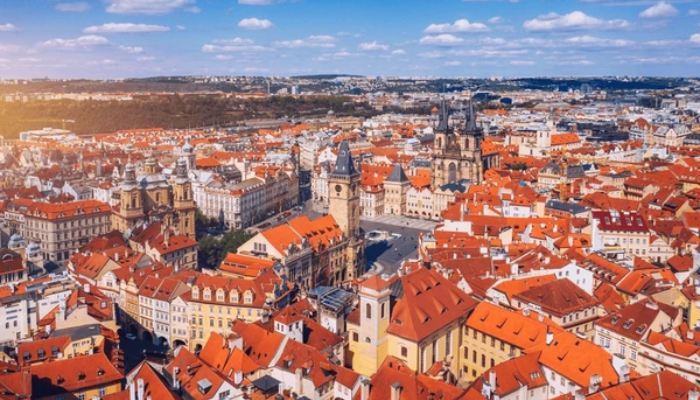
Prague remains a key destination for architecture and culture and was listed in the World’s Best Cities Index 2026. The city will host events including the Prague Marathon, marking 40 years, and the 81st Prague Spring Music Festival. Visitors can walk through Old Town Square, Prague Castle and Charles Bridge, before visiting the Jewish Quarter. Kafka’s statue and the Dancing House are also common stops.
Traditional meals such as goulash and knedlíki are widely available, alongside newer dining options in areas like Karlín. Staré Město suits first-time visitors due to its location, while Malá Strana offers quieter streets and smaller hotels.
Read also: Top 10 places to visit in Q1 2026
Sun, sand and sea
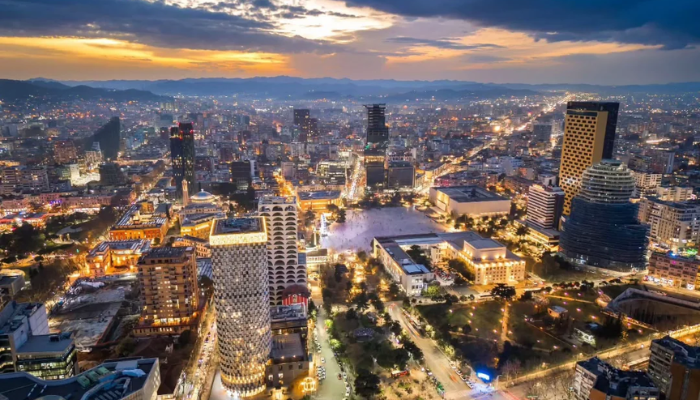
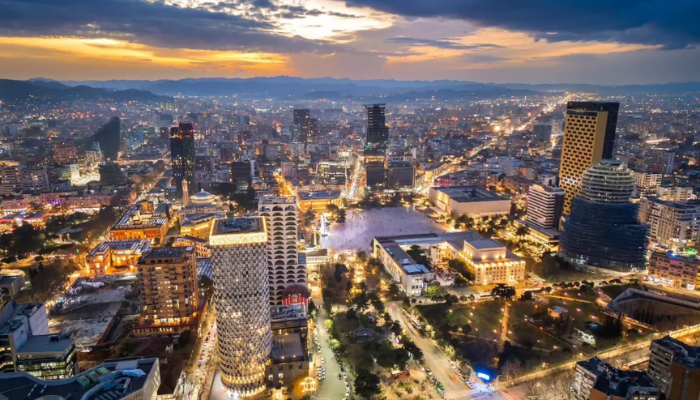
The Albanian Riviera is expected to feature among niche travel choices in 2026, as travellers seek coastal areas outside established routes. Beaches in Ksamil, Dhërmi, Jale and Narte draw visitors looking for less developed coastlines. UNESCO-listed sites such as Butrint National Park and Gjirokastër Castle add historical context to beach-focused trips.
Boat tours, ferry trips to Corfu and dining in Saranda form part of many itineraries. Local menus often include octopus, grilled fish, byrek and homemade raki. Ksamil suits travellers focused on beaches, while Saranda offers access to transport links and services.
Malta continues to appeal to visitors interested in history alongside coastal access. The island has multiple UNESCO-listed sites, reflecting layers of Arabic, Italian and British influence. Valletta offers museums, gardens and dining, while Mdina provides insight into medieval urban planning.
Swimming spots include St. Peter’s Pool near Marsaxlokk, while ferries connect travellers to Gozo for the Citadel in Victoria and the Inland Sea. Local food includes pastizzi and fenek. St. Julian’s attracts nightlife-focused visitors, Sliema offers transport access, and Valletta suits those focused on culture.
Read also: Ten cities to see by train on your next European trip
Nature and adventure
Cappadocia is gaining attention for outdoor activities and cultural tourism in 2026. Hot air balloon flights remain central, alongside hikes through valleys, underground cities and cave churches. Winter snowfall can change flight conditions and views. Paragliding offers an alternative activity. The region’s inclusion in the 2026 Michelin Guide and the planned Hot Air Balloon Festival in August are expected to increase interest.
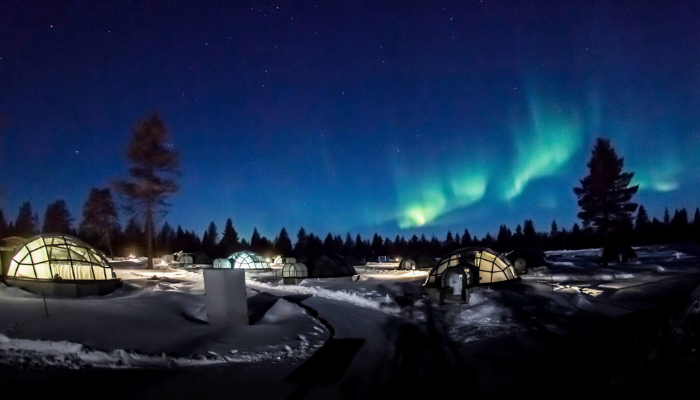
Lapland stands out due to solar activity. Until early 2026, the sun remains in its solar maximum phase, an 11-year cycle marked by increased sunspots and geomagnetic storms. This increases the frequency and intensity of Northern Lights displays, offering opportunities not expected again for several years.
Beyond the aurora, Lapland supports activities such as husky sledding, reindeer sleigh rides, snowmobiling and ice fishing. Accommodation includes snow hotels and glass igloos. Rovaniemi’s “Santa Claus Village” and national parks such as Pallas–Yllästunturi offer further options.
The Carpathian Mountains also feature in 2026 travel plans as interest grows in eco-tourism and conservation. In Romania, travellers can engage with wildlife projects, including bear sanctuaries, through organised tours. Seasonal trips focus on animal tracking and local culture.
In Slovakia, the town of Trenčín has been named a 2026 European Capital of Culture, drawing attention to regional traditions and sustainable travel. Activities across the Carpathians include hiking, mountain biking, snowshoeing and visits to thermal baths, as well as trips to villages such as Magura and painted monasteries, including Voroneț and Humour.