Women continue to be underestimated even though the number of women entrepreneurs is increasing worldwide. With the celebration of another Women Entrepreneurship Day just concluded, we continue to ask the same questions as to why female entrepreneurs are still struggling and not as successful as data has suggested over the years.
The case for gender equality has been made, but there remains a lag in creating the caliber of female entrepreneurs that can create a tremendous shift in the economy especially in African countries. The World Economic Forum believes that the world should aim to achieve gender parity in leadership by 2030 but what role do female run businesses play in achieving this goal? A paper by the World bank group on supporting high growth potential entrepreneurs states that empowering female entrepreneurs, especially those in high-growth sectors, has the potential to create jobs, increase incomes, lift thousands of households out of poverty, and lead to greater economic and social transformation.
Read Also; Women in Business: Tejumola Abisoye
Nearly one billion women who have the capacity to contribute more to the economy around the world are said to be constrained from doing so, most of which are in developing countries. The costs of leaving women out of actively engaging in economic activities is not just unacceptable but far more dangerous. Recently, the narrative of African women being some of the most entrepreneurial women has become common knowledge but even with these high levels of entrepreneurship, African women continue to represent a small number of high impact business and government leaders. While some of this can be traced to unfavorable cultural norms and stereotypes, other reasons may include the lack of access to opportunities and networks and deeply rooted unconscious biases. We agree that a majority of African women are entrepreneurial, most of which are running MSMEs and SMEs and although this is impressive, we should also be aiming to nurture more African women to become high-impact entrepreneurs.

Beyond providing access to capital, there are several other ways to support female business owners on their entrepreneurial journey. One major way is ensuring that these women are included in mentorship and sponsorship processes. In a study conducted by McKinsey, women in senior management positions said one of the major factors behind their success was access to mentors, sponsors, and peer networks. It therefore becomes important to foster and maintain a culture that empowers women to thrive both in their businesses and in their personal lives.
The now famous quote by the first ever female vice president of the United States, Kamala Harris, “while I may be the first woman in this office, I will not be the last” should also be the mantra for every woman in business. High value female entrepreneurs must begin to consciously create channels of support and information for other entrepreneurs who run smaller business. This is not necessarily about sharing intimate trade secrets, beyond the fact that the sky is large enough for everyone to fly, every business is as unique as its owner. These channels of support could mean helping (when asked) with details and information that female entrepreneurs may need to make better informed business decisions, knowledge of and how to access resources available.
These details could make a world of a difference to a female entrepreneur just starting out or stuck in a plateau, the entrepreneurial ecosystem has evolved and so instead of creating an atmosphere for competition, it is crucial to intentionally model an atmosphere of idea-sharing and support. This support could also often times be liking, sharing, or commenting on social platforms. We must understand that the future cannot design itself, looking at the potential opportunities and risks for women in the future of business, we need to collaborate on knowledge sharing and skilled programs that enable the creation of high-value entrepreneurs. More women engage entrepreneurship activities at a lower economic level when compared to men, and generally operate informally and are concentrated in low the productivity sectors with limited potential for growth. In creating and sustaining a pipeline of female entrepreneurs, an approach of combining training in business education and skills, with high quality mentoring and networking activities will create links among women entrepreneurs while opening market opportunities even in male dominated sectors.
The objective is to first establish a pipeline of women entrepreneurs with better business potential and then link these qualified businesses to specific financial products and services. The recent rise of female focused/female led venture capital funds is an initiative that should be highly applauded and supported, it is however important for these funders to be less stringent on the requirements to access their funds. It is possible but rarer to find female led businesses who are high value businesses and are ready to absorb thousands of dollars, when compared to male led businesses. These female-led/female focused venture funds may need a greater diversity of investments and also focus on early and seed stage companies to deliver greater performance and create a ripple of female led businesses that are investment worthy and can provide top tier return on investments.


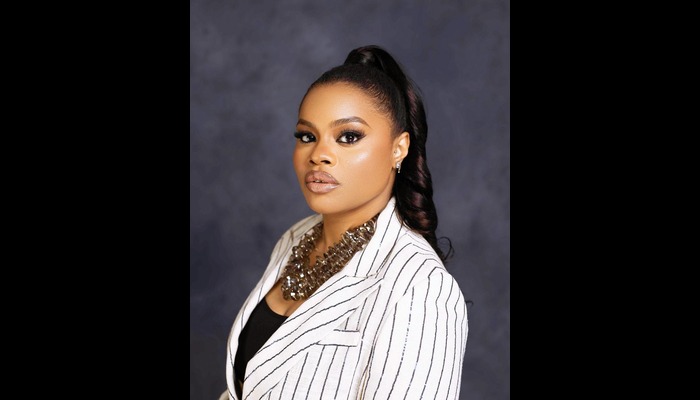
Weyinmie is a development expert with special focus on Gender, Financial Inclusion and Enterprise Development. She has over 8 years working experience across several sectors – oil and gas, extractive sector, not for profit management, leadership, and the entrepreneurial ecosystem. She is the founder of Wevvo Nigeria, a resource and community-based platform that supports single female breadwinners.
Weyinmi Eribo is a development expert with special focus on gender, financial inclusion and enterprise development. She has 8+ years working experience across different sectors – oil & gas, bilateral trade, not for profit management, leadership and extractive industries. She is the founder of Wevvo Nigeria, a resource and community based platform that supports single female breadwinners.