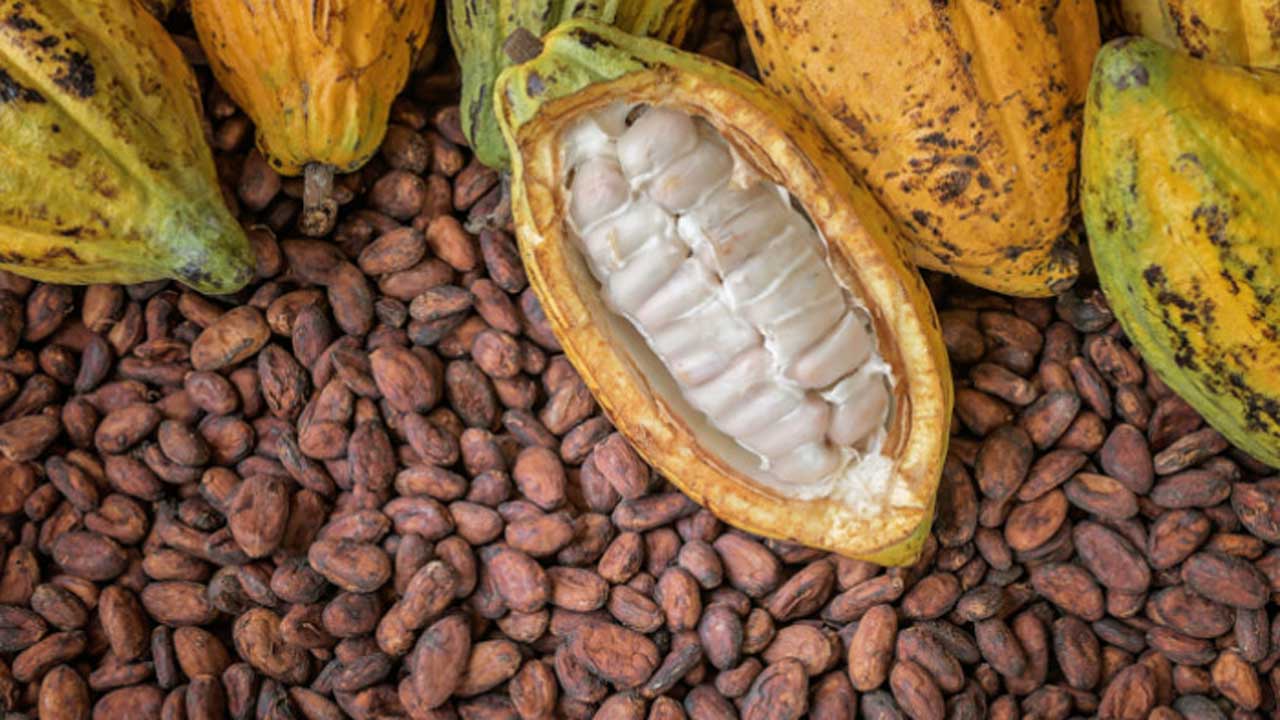
Once upon a time, precisely in the ’60s Nigeria was ranked the world’s second largest producer of cocoa but as of 2024 the country was ranked the fourth largest producer behind Indonesia, Ghana and Ivory Coast. While the production stood at 420,000 metric tonnes between the ’50s and ’60s it has significantly dropped to 170,000 metric tonnes by 1999. It would recalled with national pride that back then cocoa was a major exports crop generating huge revenue as foreign exchange. And it funded the Free Education and policy in the then Western Region, the Cocoa Industries Limited CIL in Ogba axis of Lagos, the Cocoa House, the first television station in Sub-Saharan Africa, and the modern Liberty Stadium all located at Ibadan. That was under the administration of Chief Obafemi Awolowo.
“Many people are now turning to cocoa farming and with the establishment of this Committee there will be a more serious effort to drive cocoa production”-Dr. Victor Iyama (Chairman of the Board of Trustees of the Cocoa Association of Nigeria,CAN)
Back then too, the CIL which produced cocoa powder rubbed shoulders with the likes of Bournvita and Milo, generating employment and boosting food security. Unfortunately, the discovery of crude oil in Bayelsa state in commercial quantities in the 1950s changed the narrative. Apart from mass rural -urban migration, series of policy flip – flops on the part of the federal government has undermined the production capacity and value addition through processing and marketing. But attention was given to the cocoa sector during the then President Goodluck Jonathan’s administration with Dr. Akinwumi Adesina as the Minister of Agriculture and Rural Development. The shift in focus to agricultural development at the rural level and the identification of the core competencie of the six geo-political zones brought attention back to cocoa production in the South -West zone. Sad to note that this brilliant idea was not sustained under the Muhammad Buhari administration. That is despite the Anchor Borrowers Program.
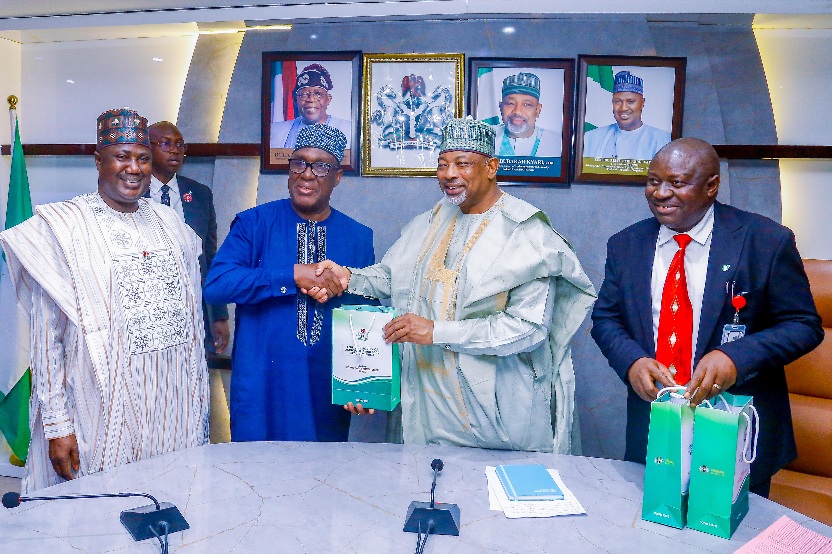
But going forward is the National Cocoa Plan and initiative of the federal government under the current President Bola Tinubu-led government, as brought into effect months ago in November 2024. The Plan,as approved by the Federal Executive Council (FEC) is aimed at repositioning the cocoa industry as ” a highly competitive, dynamic and profitable industry”. According to Dr. Jumoke Oduwole who heads the Technical Committee focus is on not just production but the value chain through processing, preservation, packaging and marketing to increase local consumption. Others include improving market access for farmers, cutting back old cocoa trees, to encourage new growth, and improve the genetic makeup of existing ones.
Read also: Cocoa output to rise on improved investments

The broader vision includes replacement of unproductive trees with new ones, minimizing disruption and ensuring adequate nutrient level in the soil. That is meant for healthier cocoa production. There is also the integration of trees to improve soil health, provide shade and increase farm productivity. The rejuvenation policies have become a necessity because many cocoa trees in Nigeria have become older, unproductive and susceptible to pests and different diseases. To change the narrative there is the introduction of coppicing height of 30 cm variety in the months of November and December every year.
This is done for the rejuvenation of the moribund cocoa through chupon regeneration. There is also the planting of the improved cocoa seedlings, using the old trees as shades and the replacement of the old, unproductive ones with disease -resistant varieties. Furthermore, is the importance of using improved farming practices, improved soil health and infrastructure.
In this regard,the Cocoa Research Institute of Nigeria (CRIN) has developed and disseminated various Cocoa Rehabilitation Techniques (CRTs) to solve the persisting problems. These include agroforestry, cover cropping, water conservation to improve on soil health. To walk the talk on rejuvenating the cocoa economy the National Cocoa Development Committee ( NCDC) was established in 1999 with the mandate to develop the blueprint to revive the sub-sector. The federal government is targeting the production of cocoa to hit 750,000 metric tonnes by Year 2032. The Cocoa Research Institute has a vital role to play in this regard. It has highlighted the importance of providing relevant knowledge to the farmers with improved cocoa production packages.
While the federal government should provide the needed infrastructure and financial support, the private sector should play its part through value addition by processing and marketing.
On the part of the National Cocoa Plan the 10-year plan the amount targetted is $300 billion. The federal government is expected to contribute 27 %, the cocoa producing states 13%, local governments 5% and the private sector 30%, Additionally, the donor sector and the global industry will account for 25%. So stated the Head of the Commodities and Export Department of the Ministry of Trade and Investment. And according to the Chairman of the Board of Trustees of the Cocoa Association of Nigeria (CAN) these initiatives would boost production of cocoa, improve quality, generate additional income for farmers and contribute to the overall economic growth of the country.

All noted, for the Plan to materialize all the stakeholders should play their parts as agreed. These include the Federal Ministry of Agriculture and Food Security, the Cocoa Association of Nigeria, the International Cocoa Organization as well as the Afrieximbank. They should focus on achieving the target 750,000 metric tonnes by Year 2032.
With that Nigeria can become the world’s largest producer of cocoa.