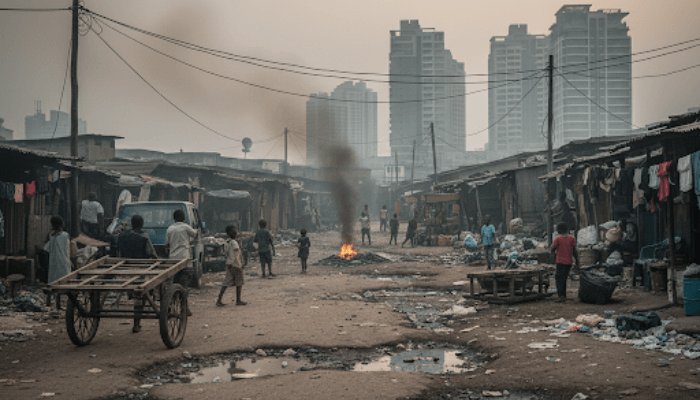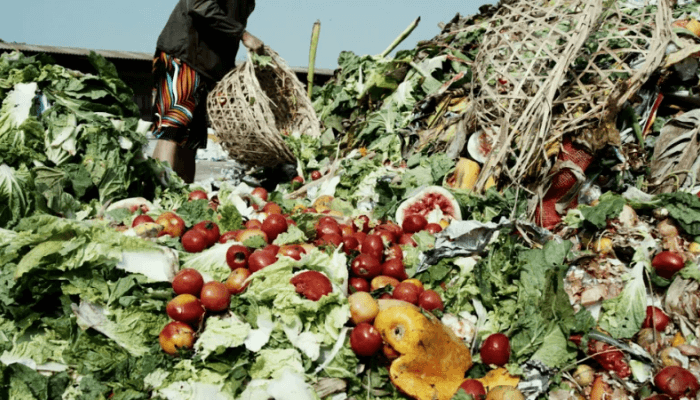
Each day in Nigeria, millions go hungry, and yet, half of the nation’s food is wasted. This contradiction is not only a humanitarian crisis but also an economic one. The post-harvest food losses, driven by poor infrastructure, weak cold storage systems, inefficient logistics, and a lack of investment in value addition, rob Nigeria of an estimated N3.5 trillion yearly. With hunger and malnutrition still affecting millions, it is time Nigeria wakes up to the hidden cost and opportunity within its food system.
The story of Yemisi Sunday, a food trader who travels daily from Mowe in Ogun State to Mile 12 Market in Lagos, typifies the broken nature of Nigeria’s fresh produce supply chain. Like many petty traders, Yemisi is at the mercy of poor electricity supply, meaning perishable items like tomatoes and peppers spoil rapidly if unsold within hours. In her words, “If I don’t sell my tomatoes and peppers the same day I purchase them, there is always a huge loss from spoilage, especially during the hot periods.”
Read also: Experts push for eco-friendly agricultural methods to grow food sustainably
Such losses are replicated across Nigeria, particularly in the transportation of food from northern farms to southern markets. Poor roads, unreliable electricity, and a near-total absence of cold chain systems have made it nearly impossible to preserve food from farm to table. Experts estimate that up to 60 percent of tubers, fruits, and vegetables, and about 20 percent of fish and grains are lost post-harvest. This is not just food loss; it is income loss, nutrition loss, job loss, and a loss of national development potential.

The 2023 data from the Federal Ministry of Agriculture show that Nigeria’s total national storage capacity is a meagre 225,000 metric tonnes, woefully inadequate for a population that now exceeds 220 million. This shortfall highlights a critical gap in food preservation that has allowed rot to triumph over reason.
Despite years of government talks about food security, practical investments in rural cold storage, agro-processing, and value-chain logistics remain unreliable. In addition, the power deficit, which has crippled many small and medium agro-processors, continues to make value addition difficult and unattractive.
As Abiodun Olorundenro, managing partner at Prasinos Farms, rightly notes, “We are hungry, yet we waste so much food.” He, along with other experts like Jude Obi, president of the Association of Organic Agriculture Practitioners of Nigeria, insists that boosting production alone is not enough. Reducing post-harvest losses through proper preservation and efficient logistics must be part of the food security strategy.
“Despite years of government talks about food security, practical investments in rural cold storage, agro-processing, and value-chain logistics remain unreliable.”
One of the strongest policy interventions needed is cold chain development: refrigerated storage and transportation systems that ensure perishable items remain fresh from the farm gate to the consumer’s plate. Augustine Okoruwa, regional manager at Helen Keller International, emphasised this recently during a cold chain roundtable, stating that poor handling and lack of cold chain infrastructure are at the heart of Nigeria’s food waste crisis.

Interestingly, despite the infrastructure gap, the country sits on a potential goldmine. According to a 2023 report by the IKEA Foundation and UKaid, the opportunity in cold chain infrastructure investment could reach $5.9 billion by 2030. From automated storage solutions to refrigerated transport, processing factories, and plastic crate manufacturing, the food value chain is brimming with untapped investment opportunities.
Some private sector players are beginning to take advantage of this. Start-ups offering solar-powered cold rooms, agritech firms designing smart storage systems, and logistics firms exploring trucks are emerging across Lagos, Kano, Kaduna, and Port Harcourt. However, these efforts remain small and far from scale.
For these efforts to thrive, we advise federal and state governments must prioritise the development of rural infrastructure, especially power, roads, and food processing hubs. Intervention programs by agencies like the Federal Ministry of Agriculture, the Nigeria Incentive-Based Risk Sharing System for Agricultural Lending (NIRSAL), and the National Agricultural Seed Council (NASC) must be free from corruption and focused on outcomes.
Read also: Shettima departs for Ethiopia to represent Nigeria at UN food systems summit
Furthermore, targeted subsidies and incentives must be offered to agro-processing firms and cold chain providers to encourage investment. The Central Bank of Nigeria and the Bank of Industry must make available low-interest loans for cold storage solutions, solar power installations, and processing equipment.
Equally important is the education and training of farmers in proper post-harvest handling. Awareness campaigns, practical workshops, and community-based demonstrations can improve how crops are harvested, handled, and stored, reducing rot and improving income.
In the face of inflation that hit 34.19 percent in June 2025 and food inflation hovering near 40 percent, every grain and fruit lost is a dagger in the heart of Nigeria’s fragile economy. With insecurity displacing farmers in parts of Benue, Plateau, and Zamfara, food production is already under strain. The country simply cannot afford to continue wasting the little it grows.
Nigeria’s food waste crisis is a self-inflicted wound, but it can also be fixed. It will require political will, public-private partnerships, financial innovation, and strategic investment in infrastructure and education. If properly harnessed, the fight against post-harvest losses can feed millions, lift thousands out of poverty, and unlock billions in economic value. The time to act is now.