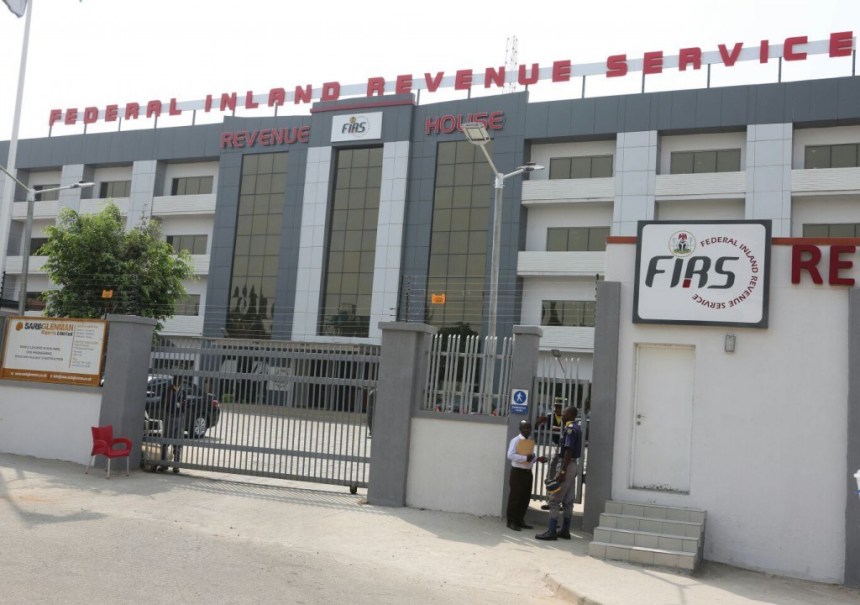
The Federal Inland Revenue Service (FIRS) says it has collected N20.62 trillion in tax revenue between January and August 2025, surpassing its growth target for the year.
FIRS Chairman Zacch Adedeji announced the figures on Tuesday while briefing State House correspondents in Abuja. He said the performance represents a 40.8 percent increase compared to the same period in 2024 and exceeds the baseline growth target of 16.4 percent.
“The growth rate stands at 40.8 percent, translating to N20.62 trillion, substantially exceeding the baseline growth target of 16.4 percent,” Adedeji said. “This favourable increase highlights the accelerated pace of revenue collection and momentum toward achieving the 2025 revenue target of N25.2 trillion.”
Non-oil revenue reaches N15.67 trillion
Adedeji said oil tax revenue reached N4.98 trillion as of August 31, up 19.4 percent from N4.18 trillion in the same period last year. Non-oil taxes accounted for the bulk of collections, rising by 49.7 percent to N15.67 trillion from N10.47 trillion in 2024.

“This increase underscores the strengthened tax compliance measures and enhanced enforcement strategies implemented by the service,” he said.
Read Also: How the Naira’s freefall reshaped corporate and revived the capital market
‘Tinubu’s reforms are working’
The FIRS chairman also highlighted the fiscal impact of reforms introduced under President Bola Tinubu, particularly the removal of petrol subsidy.
“In May 2023, collections from NNPC were in the negative because of outstanding subsidy and other payments. The total accretion to the federation that month was just N711 billion,” Adedeji said. “By September 2025, the figure had risen to N3.6 trillion — a 411 percent increase.”
According to him, the reforms have eased financial pressure on states and reduced dependence on federal bailouts.

“Before now, state governments used to come to Abuja asking for bailouts just to pay salaries. Today, no state government, including the federal government, is receiving less than double what they used to get,” he said.
Non-oil revenues, he added, grew from about N150 billion in May 2023 to N1 trillion by September 2025, reflecting improved confidence in the economy.
Adedeji said executive orders have been used to streamline Nigeria’s tax system and strengthen the fiscal environment.
“With your help, we have now put ourselves in Tesla mode. By God’s grace, effective January 1, we will be in Tesla mode,” he said. “By that time, we will have harmonised all the taxes, reduced corporate tax rates, and implemented budget and spending reforms.”
He also said the reforms are expected to deliver fiscal sustainability, improve the operating environment for businesses, and support household welfare.