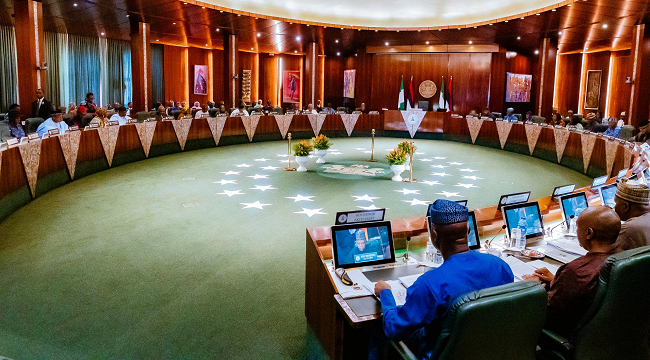
On Thursday, May 25 2017, history was made in the hallowed chamber of the Red Chamber when it passed the longest serving bill in the National Assembly – the Petroleum Industry Governance Bill (PIGB).
For the first time in seventeen years, the National Assembly broke the PIGB jinx that industry experts believed had hindered its efforts at reforming the oil sector.
Recall that former President Olusegun Obasanjo set up the Oil and Gas Industry (Reforms) Committee (OGIC) in Year 2000 to undertake comprehensive reform of the nation’s petroleum industry. The panel was charged to produce the blueprint for a national oil and gas policy. It submitted its report in 2007 and this was translated into a proposed legislation – the Petroleum Industry Bill – in 2008, sent to the National Assembly by late President Umaru Yar’Adua.
Ahead of the first year anniversary of the National Assembly Business Environment Roundtable (NASSBER) on June 5, passage of the bill is a worthy achievement on the part of the 8th Senate to commemorate the event.
NASSBER is a public-private platform that brings critical stakeholders from the private sector, legislature and executive to debate, deliberate and advocate a coherent legal framework to advance business environment legislations through the National Assembly.
The platform reviewed 54 acts and 50 bills pending before the National Assembly, and rated them in order of priority to help the legislature focus more on areas that require urgent intervention.
The team categorised 11 of the bills for urgent passage as economic recovery bills, which it said would improve Nigeria’s ranking in the World Bank Ease of Doing Business report.
The 11 high priority economic recovery bills include: the Petroleum Industry Governance Bill; National Development Bank of Nigeria Bill; National Road Fund Act (Amendment) bill; Federal Roads Authority Act (Amendment) bill and National Transport Commission (Establishment) Bill.
Others are: Nigerian Ports and Harbours Authority Act (Amendment) Bill; Warehouse Receipts Act (Amendment) Bill; Companies and Allied Matters Act (CAMA) (Amendment) Bill; Investment and Securities Act (ISA); Customs and Excise Management Act and Federal Competition Bill.
However, only the PIGB, Nigerian Ports and Harbours Authority Act (Amendment) Bill and Warehouse Receipts Bill have been passed so far by the Senate.
The initiation of PIGB as a separate bill from the initial complex proposal will ensure ease of implementation when it becomes law.
Already, the Host Community Bill and Petroleum Industry Fiscal Bill are at different stages at the upper legislative chamber.
Other cluster bills still expected include: the Upstream Petroleum Licence and Lease Administration Bill as well as Downstream Oil and Gas Administration Bill.
The PIGB seeks to create efficient and effective governing institutions with clear and separate roles for the petroleum industry; establish a framework for the creation of commercially oriented and profit driven petroleum entities that ensure value addition and internationalisation of the industry; establish a framework for the creation of commercially oriented and profit driven petroleum entities to ensure value addition and internationalisation of the petroleum industry; promote transparency and accountability in the administration of petroleum resources of Nigeria and foster a conducive business environment for petroleum industry operations.
It also seeks to remove powers from different regulatory agencies and scraps the Department of Petroleum Resources (DPR), Petroleum Products Pricing and Regulatory Agency (PPPRA) and Petroleum Equalisation Fund (PEF).
It focuses mainly on administration and privatisation of the petroleum industry as it splits the NNPC into three different entities namely: the Nigeria Petroleum Regulatory Commission (NPRC), National Petroleum Assets Management Company (NPAMC) and Nigeria Petroleum Company (NPC).
While the NPRC will serve as a regulatory entity for the entire petroleum industry (upstream, midstream and downstream), the NPAMC will act as the counter-part and administrator of production sharing agreements and such other risk-based agreements, even as it proposes NPC as an integrated oil and gas company.
The 192-page document also makes provision for funding the NPRC as provided in Section 26, which gives 10 percent Cost of Collection to the regulatory body.
Unlike the two unsuccessful attempts, the current proposal in the Eighth Senate is a private member bill sponsored by the Chairman, Senate Committee on Petroleum Upstream Tayo Alasoadura.
The disadvantages of bicameral legislature will come to bear at this stage, as the legislation, which is currently at the committee stage in the House of Representatives, will have to be passed, a conference committee set up for adoption of report by both chambers before presidential assent to become law.
Owede Agbajileke