The federal government has pledged to pay off a substantial portion of the approximately N4 trillion) legacy debt owed to electricity generation companies (GenCos), in a bid to stabilize the power sector and avert a potential collapse of the national grid.
This commitment follows urgent discussions held on Tuesday between Adebayo Adelabu, the minister of power, and the leadership of the GenCos in Abuja.
Adelabu assured the GenCos that the government recognizes the critical nature of the debt and will prioritise its settlement.
He announced plans for an immediate “substantial” cash payment, with the remaining balance to be cleared within six months through the issuance of financial instruments such as promissory notes. This proposal is slated for further discussion at a high-level meeting between President Bola Ahmed Tinubu and the GenCos’ chairmen.

“We recognize the urgency of this matter. The government is committed to resolving this debt to stabilize the sector and prevent further crisis,” Adelabu stated. He emphasised the President’s direct involvement in fast-tracking the resolution process.
The GenCos, led by Sani Bello, chairman of Mainstream Energy Solutions and the Association of Power Generating Companies (APGA), had earlier raised alarm bells about the dire financial straits of the sector.
Read also: Aso Rock Villa ditches DisCos, to buy power directly from GenCos
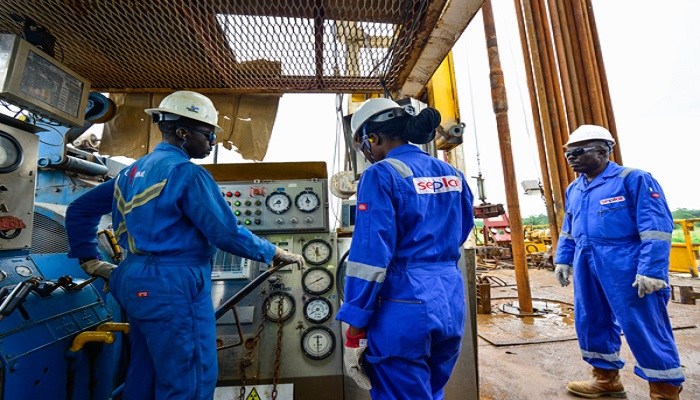
Bello warned that the massive debt was hindering their ability to secure crucial loans and maintain essential power infrastructure, putting the entire power ecosystem at risk of collapse.
Echoing this urgency, Kola Adesina, chairman of Egbin Power and First Independent Power Limited, described the situation as a “national emergency,” underscoring the power sector’s pivotal role in driving industries, supporting homes, and sustaining critical services like hospitals. “We cannot afford to let the sector fail,” he stressed.

Adelabu acknowledged the government’s past contributions to the sector’s challenges and committed not only to clearing the outstanding debt but also to implementing broader reforms aimed at streamlining operations. A key aspect of this reform agenda is the push for full liberalization of the power sector and the implementation of cost-reflective tariffs.
“Citizens must pay the appropriate price for the energy consumed,” Adelabu asserted, while assuring that targeted subsidies would continue for economically disadvantaged Nigerians. He argued that the nation’s economy could no longer sustain indefinite subsidies and called for public awareness campaigns to foster acceptance of realistic tariffs.
Joy Ogaji, CEO of APGC Power, highlighted the systemic issues plaguing GenCos, including persistent payment defaults, unreliable gas supply, and the severe impact of foreign exchange volatility.
She pointed out that the significant depreciation of the naira had drastically increased maintenance costs and loan repayment burdens for the companies. “GenCos have borne unsustainable risks…while remaining patriotic,” she stated.
Adelabu outlined plans for regulatory reviews to reduce operational levies and enhance market stability. He also called for collaboration between the government and GenCos on public advocacy to promote efficient electricity usage and understanding of tariff structures. The government’s swift response to the GenCos’ concerns signals a renewed commitment to stabilizing Nigeria’s critical power sector and ensuring a more sustainable energy future.