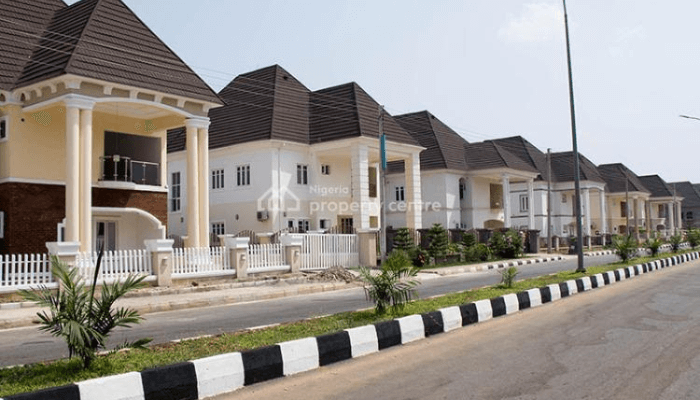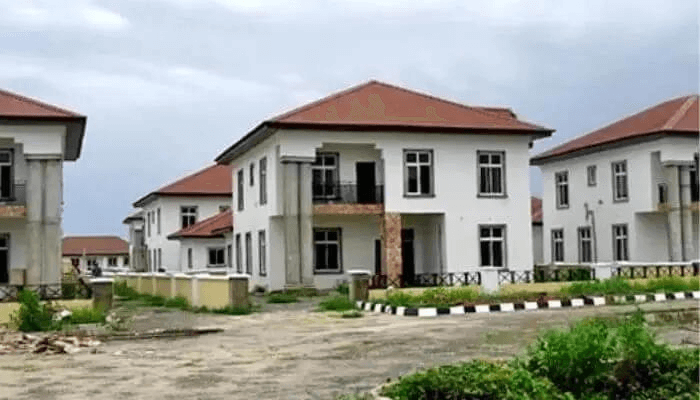
The federal government says its current vision for housing is that it must have a broad national reach and must deliver real impact for ordinary Nigerians. This, it explains, led to the design of the Renewed Hope Housing Programme that ensures no region, no state, and ultimately no Local Government Area is left behind.
This programme which already has footprints across 14 states and the Federal Capital Territory (FCT), Abuja, differs significantly in many ways from previous efforts made by the government to deliver housing for Nigerians, especially low-income earners.
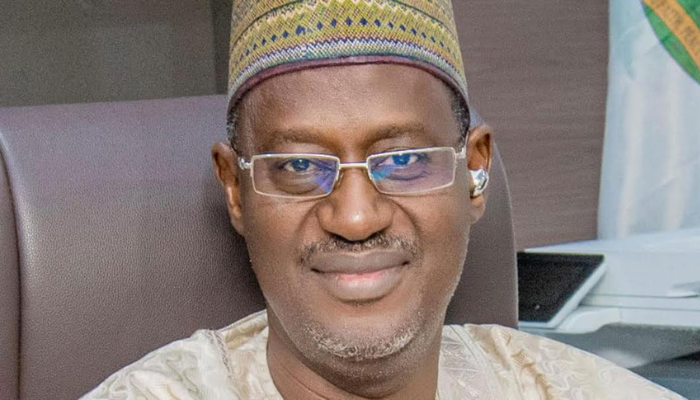
According to Ahmed Dangiwa, the Minister for Housing and Urban Development, current housing projects differ from past government’s projects in both scale and ambition, explaining that past projects were often small, isolated schemes, producing only a few hundred units over many years.
“What we are doing now is transformational—large-scale, integrated communities with supporting infrastructure, serving high-income, middle-class, and low-income Nigerians alike. It is a comprehensive, structured response to decades of underinvestment and fragmented housing delivery,” the minister said.

He added that the current programme enjoys innovative financing unlike previous ones that struggled due to over-reliance on limited government budgets, disclosing that they have adopted Public-Private Partnerships (PPPs) and blended financing models.
Under this arrangement, government has mobilized over ₦70 billion in private capital. This approach ensures financial sustainability, faster delivery, and scalability beyond annual budgetary allocations.
Read also: Qshelter launches 2,500 Renewed Hope housing scheme to check deficit
Accessibility and transparency are also part of the new approaches government has adopted to its projects. For the first time, Nigerians can apply online through the ministry’s ‘Digital Housing Portal’ from anywhere in the country or abroad. “There are no middlemen, no gatekeepers, no favoritism. Allocation is fair, transparent, and technology-driven,” the minister said in a recent interview.
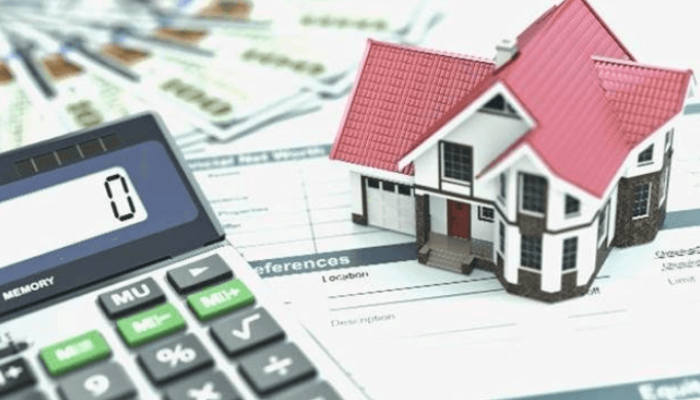
To ensure that housing reaches everybody, he said that units have been made affordable, adding, “we are unlocking homeownership for everyday Nigerians through single-digit interest rate mortgages, rent-to-own schemes with zero down payments, and up to 30-year repayment periods through the Federal Mortgage Bank of Nigeria (FMBN). This is a first in Nigeria’s history, opening doors that were previously closed to millions.”

Currently, there are speed and execution in government’s projects which explains why, in just two years, they have broken ground for over 10,000 housing units, surpassing the performance of previous initiatives that delivered about 3,500 units over eight years. This demonstrates strong political will, better planning, and real results on the ground.
“Under the Renewed Hope Agenda, we are not repeating the mistakes of the past. We are building homes, not houses—communities where Nigerians can live, work, and thrive, the minister noted.
Continuing, he said, “we are using housing as a tool for wealth creation, job generation, and social stability, setting a new benchmark for what government-led housing can achieve when backed by visionary leadership, innovation, and transparency.”