Sales have been great this year for Winton Machine, a 35-person company in Suwanee, Georgia, that makes machines to bend metal tubes. Lisa Winton, chief executive, attributes its success to landmark tax reforms signed into law by US President Donald Trump in 2017, which freed up cash for other manufacturers to put her gear on their plant floors.
Demand has risen by so much that she now needs to move into a bigger plant. But she is putting off the decision. “I’m just holding tight,” she said, “because of that uncertainty.”
The uncertainty she is referring to is swirling around trade, as Mr Trump has escalated, de-escalated and re-escalated his trade war with China, and threatened traditional allies with tariffs, too. The weekend attack on Saudi Arabia’s oil infrastructure has intensified matters due to its potential to disrupt crude supplies.
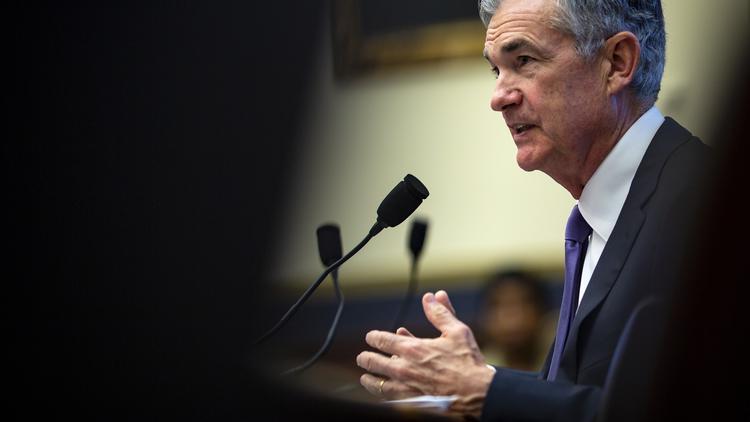
The Federal Reserve, under its chairman Jay Powell, is this week expected to cut interest rates by a quarter point for the second consecutive policy meeting.

The White House is keeping up its drumbeat of demands for greater monetary easing, and both inside and outside the Fed there are concerns the central bank has been underestimating the economic consequences of the trade and geopolitical uncertainty.
The Saudi attacks, which the US blamed on Iran, sent oil prices soaring in Monday morning trade, adding to difficulties for the Fed’s decision.
The central bank could be expected to ignore the direct effects, raising fuel prices, but would have to weight up the positive effect on demand for US oil against the negative effects on global demand, especially if this is the start of a wider bout of conflict in the Middle East.
With the length of disruption to oil supply unknown at present, the Fed is likely to be cautious, but an oil shock would be the “last thing the world needed now”, said Erik Nielsen, chief economist at Unicredit because it creates the wrong sort of inflation.
“It imposes a tax on households and non-oil businesses across the world at a time when the global economy is already slowing,” he said.

A potential oil shock will exacerbate the problems the Fed already faces in understanding the depth of the trade shock.
With the rules of the road for importing or exporting businesses changing from presidential tweet to tweet, fixed non- residential investment, a measure of business spending on new equipment, has been slowing since the summer of 2018. Sales of industrial machinery — what Ms Winton makes — grew slightly in the second quarter, but overall investment turned negative, dragged down in part by a steep drop in new commercial buildings.