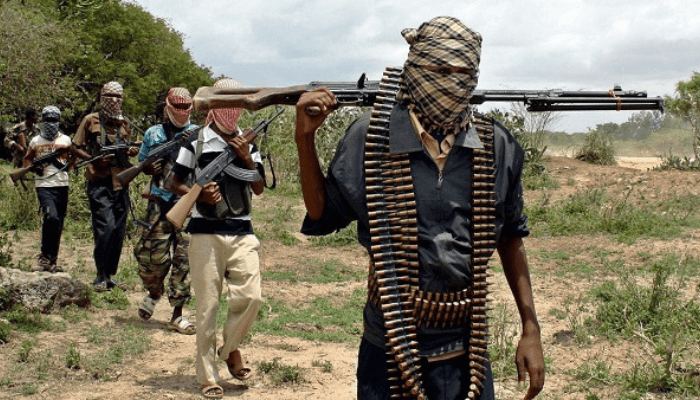
Nigerians are living in fear as violent kidnappings and armed attacks spread across the country, leaving communities anxious, highways perilous, and public trust in security agencies shaken. In just two weeks, a wave of brazen crimes has turned once-peaceful towns and roads into scenes of terror.
One of the most horrifying attacks occurred in Isapa, a small agrarian community in Ekiti Local Government Area of Kwara State, where heavily armed bandits stormed homes, fired indiscriminately, and abducted 11 residents, including a pregnant woman, two nursing mothers, and several children. Seven of the victims belonged to a single family.
“This is one of the worst attacks we have ever seen,” said a community elder. “People do not sleep anymore. Eleven people left at once. No one knows what comes next.”
Read also: Bandits abduct 16-year-old boy, six girls in fresh FCT attack

The Isapa abduction followed other violent incidents in the same region, including the kidnapping of 38 church worshippers in Eruku and 18 residents earlier this month. Despite increased security patrols, dense forests provide cover for the criminals, making monitoring and interventions difficult.
The insecurity stretches far beyond Kwara. In Kebbi, schoolgirls were abducted; in Niger State, over 100 pupils were kidnapped. A serving Brigadier-General, Uba, was killed during a confrontation with insurgents. In Zaria, loose ammunition fell from a moving bus near Ahmadu Bello University, sparking panic and raising concerns about weapons transport to criminal networks.
The spike in attacks has also made travel terrifying. Routes from Lagos to northern Nigeria are now fraught with risk, with commuters and drivers at Iddo Motor Park reporting constant anxiety and taking extra precautions before every journey.
“I can’t travel now,” said Raliat Bello, a trader. “I only tell them what I want to buy and they send it to me in Lagos.”
Bandit groups are growing increasingly audacious, posting live videos on TikTok and social media, flaunting assault rifles and issuing threats without fear.

“Once criminals show their weapons publicly, it signals total confidence that they won’t be stopped,” said Daniel Adeyemi. “This is deeply worrying for Nigerians.”
Read also: Tinubu declares national security emergency as lawmakers reject bandit negotiations
Statistics show the severity of the crisis: over 24,000 violent incidents were recorded between December 2023 and November 2024, with nearly 9,500 deaths linked to terrorism and banditry, and more than 1.5 million displaced. Lawmakers warn that banditry in the North-West has become organised terrorism, while Boko Haram and ISWAP remain active in the North-East.
While the military continues airstrikes, drone deployments, and patrols, experts insist that only a holistic, intelligence-driven approach can restore public trust.
Meanwhile, Nigerians are adapting to life under constant threat: religious centres limit evening activities, vigilante groups patrol nightly, families lock gates earlier, and travellers whisper prayers before setting off.